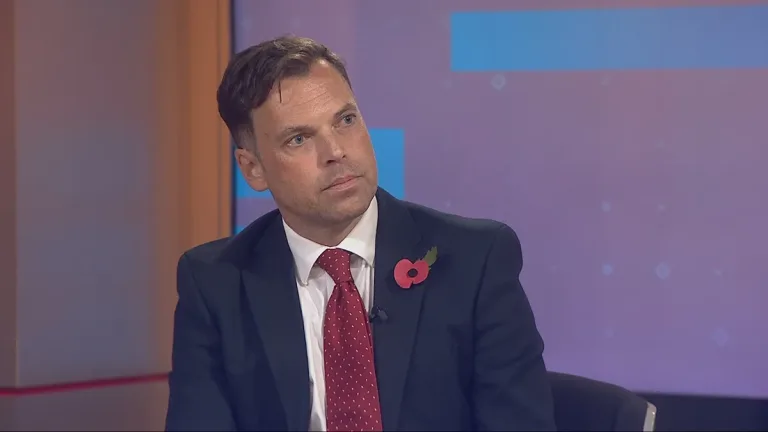
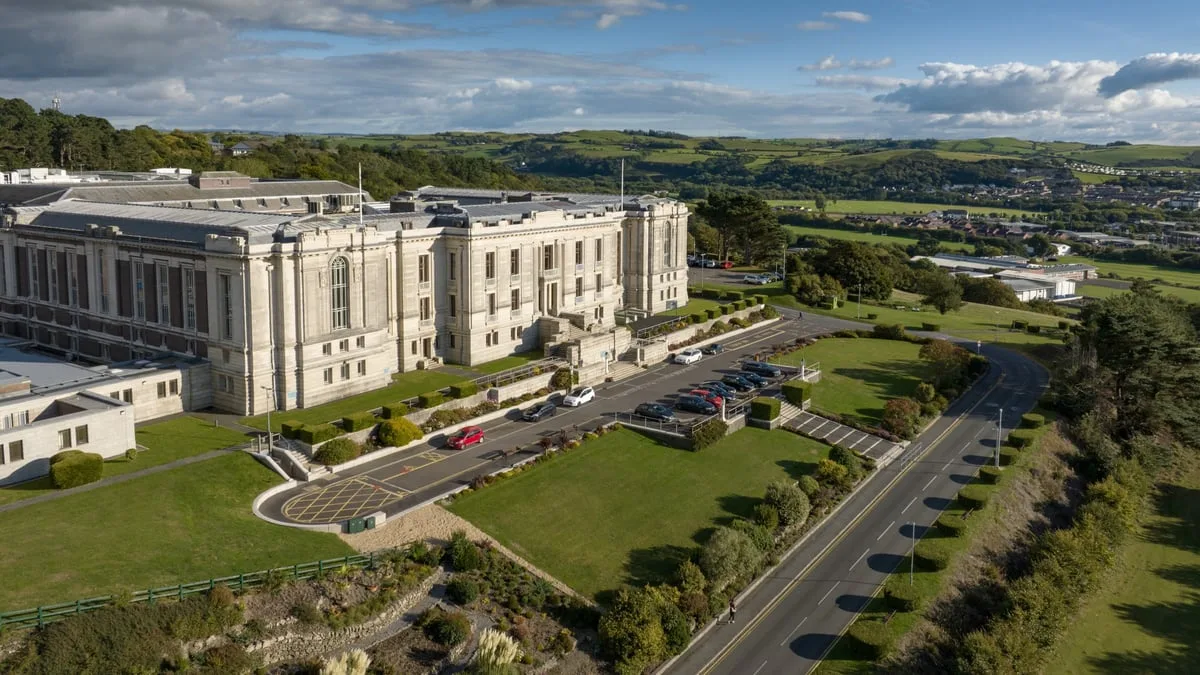
Chief executive Rhodri Llwyd Morgan revealed to the Senedd Culture Committee on 19 October that National Library of Wales staffing has fallen from approximately 240 to 200. This reduction follows a 10 percent cut in core funding, leaving historic collections harder for researchers to access due to a growing backlog.
The Aberystwyth-based institution is struggling to recover its workforce levels despite efforts to stabilise operations. Mr Morgan acknowledged that losing experienced colleagues has created significant challenges for remaining employees, who must maintain services with fewer resources.
Years of underinvestment have severely impacted the library’s ability to catalogue newly acquired material. Consequently, some collections cannot be described in the detail normally expected, making it more difficult for researchers to identify relevant documents within the archives.
To address this, the library has adopted a compromise allowing collections to be entered into its catalogue more quickly. While this speeds up access, it results in less comprehensive descriptions, a trade-off driven by continuing pressure on available resources and reduced government funding.
Trending Stories
Winter Fuel Payments surge as 18,000 Ceredigion pensioners receive £3.1m
4 hours agoHundreds gather for annual 20ft bonfire at Penrhys housing estate
4 hours agoTransport for Wales offers free rail and bus travel for veterans on Remembrance Sunday
5 hours agoCeredigion village pub wins triple hospitality awards in UK and Wales
6 hours agoMr Morgan highlighted the transcription of the 1923–24 Welsh women’s peace petition as a key example of successful volunteer participation. The project involved volunteers in Aberystwyth and internationally working with records documenting 390,296 signatures, helping to mitigate the staffing shortfall.
Despite financial constraints, the chief executive insisted that the library had maintained its public-facing services without reducing opening hours. The institution continues to provide full access to its collections and facilities, ensuring that the public can still engage with Wales’s national heritage.
Mr Morgan reported that the library is exceeding its public satisfaction target, achieving a 98 percent satisfaction rate against a target of 96 percent. This positive feedback underscores the resilience of staff and volunteers in maintaining high standards of service delivery.
Alongside cost management, the institution is actively seeking to increase commercial income to support its operations. Mr Morgan revealed a target of approximately £700,000 from activities including its café, shop, venue hire, digitisation, and specialist conservation services.
The library is also developing commercial partnerships involving its historic collections to generate additional revenue streams. These initiatives aim to create sustainable funding models that reduce reliance on core government grants while preserving access to national records.
Committee members heard that approximately 250,000 digitised documents are being shared with genealogy company Ancestry. This arrangement generates income for the institution while providing valuable access to historical records for genealogists and researchers worldwide.
Library president Ashok Ahir explained that the arrangement provides time-limited access through the commercial platform. After this period, the material becomes publicly available, ensuring that the long-term goal of open access to Welsh history remains intact.
While these initiatives offer additional revenue, the committee evidence underlined the continuing challenge of protecting Wales’s national collections. Mr Morgan maintained that the library remains committed to preserving its collections and ensuring they can be accessed by future generations.

Eli Nathan
Editor-in-Chief & PublisherCovering national Welsh affairs, Senedd politics, regional developments, and cultural life for The National Wales.
Learn about our editorial standards →