
Second‑class stamp price cap extended to 2028
Ofcom will keep the 91p second‑class stamp price flat in real terms until March 2028 as Royal Mail works on universal‑service reforms.
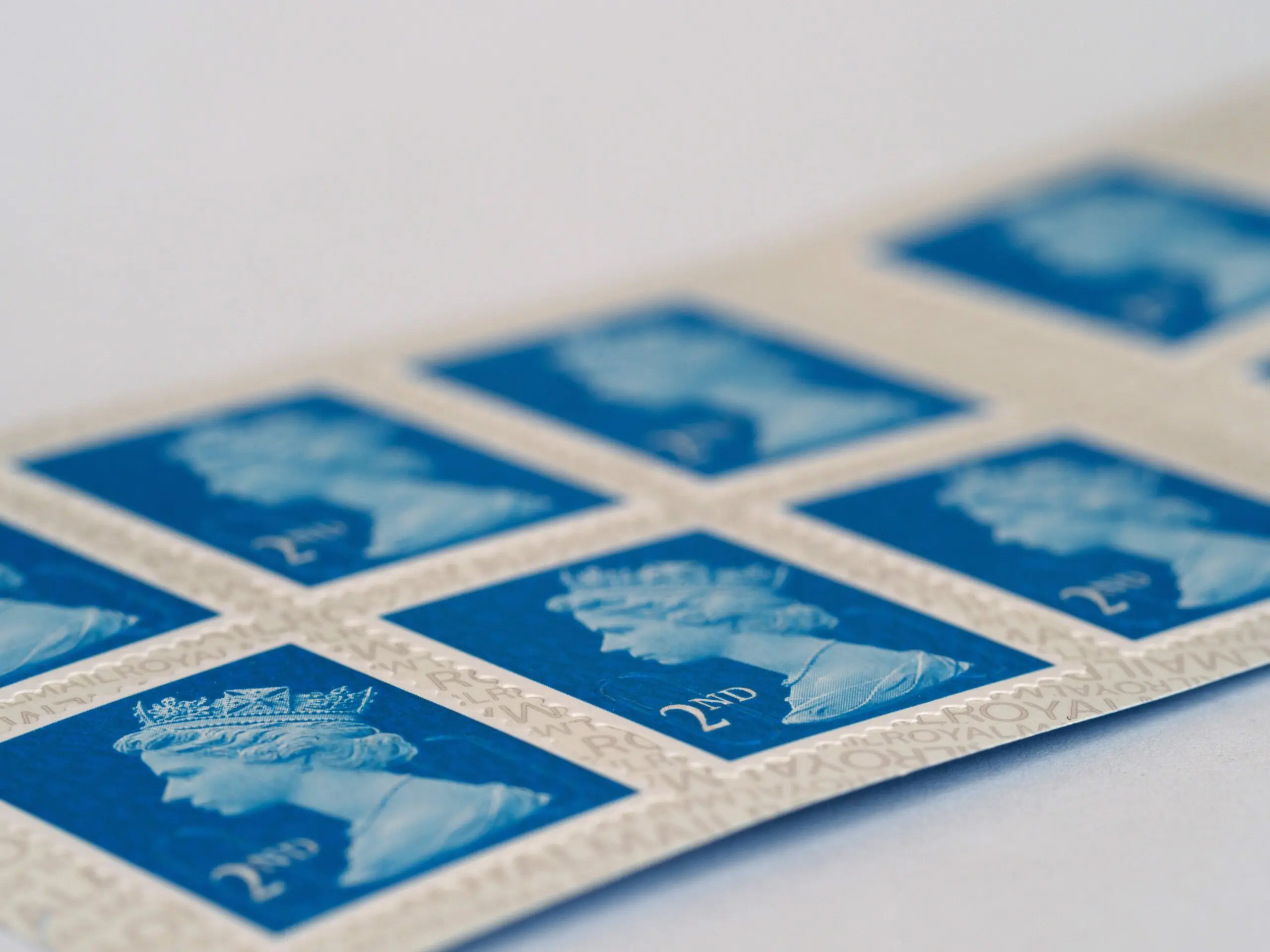
A second‑class stamp will stay at 91p for another year, with the price cap remaining “flat” in real terms until March 2028, Ofcom announced on Tuesday.
The regulator said the current cap, introduced in 2024 and linked to inflation, is due to expire in March 2025, but will be extended while Royal Mail works through universal‑service reforms and seeks to lift delivery standards.
Ofcom added that the decision comes as the postal service faces a stark financial picture, driven by a steady decline in letter volumes and rising costs per item.
“We plan to consult on our long‑term approach to pricing next year, once Royal Mail has made more progress with delivering the significant changes and improvements that postal users expect, and we have a clearer picture of their impact,” a spokesperson said.
The regulator highlighted that the UK still enjoys a six‑day, one‑price‑goes‑anywhere postal service, with stamp prices low by international standards.
However, fewer letters mean each delivery costs Royal Mail more, prompting urgent reform to keep the universal service viable, Ofcom warned.
Fergal Farragher, policy director at Ofcom, said: “To secure the long‑term future of our postal service for consumers, we can’t look at affordability, sustainability or reliability in isolation.” These are interconnected challenges that have to be considered together.”
He continued: “The number of letters being sent is declining and Royal Mail’s financial position is stark, which is why we reformed its universal service obligations last year.”
Farragher noted that the company’s slow rollout of reforms meant the regulator could not consult on future stamp prices earlier in the year as originally planned.
“The company is now making some progress with its universal service reforms and improvements to its delivery performance, which has been unacceptable in recent years,” he added.
He stressed the need for a clearer picture of the reforms’ impact before setting a long‑term pricing strategy, saying the regulator will revisit the issue next year.
In the interim, Ofcom’s proposal aims to keep an affordable second‑class option on the table for consumers, ensuring the price does not rise in real terms for a further twelve months.
Royal Mail has not yet detailed the specific measures it will implement to meet the regulator’s expectations, but the extension of the cap signals a willingness to give the postal operator breathing space.
Industry analysts have warned that without decisive action, the universal service could become financially unsustainable, potentially leading to reduced coverage in rural areas.
Ofcom’s move therefore represents a balancing act: protecting consumers from price hikes while pressing Royal Mail to deliver the promised service improvements.
The regulator will launch a formal consultation on stamp pricing in 2025, inviting feedback from businesses, consumer groups and postal users.
Stakeholders will have until the summer to submit responses, after which Ofcom will publish its findings and outline any further adjustments to the pricing framework.
For now, the 91p second‑class stamp remains unchanged, offering continuity for households and businesses that still rely on the traditional post.