
Pembrokeshire Council Complaints Surge 8% To 1,052: What Residents Need To Know
Formal grievances to Pembrokeshire County Council have risen by eight per cent, reaching 1,052. Officials confirm a review of processes is underway.
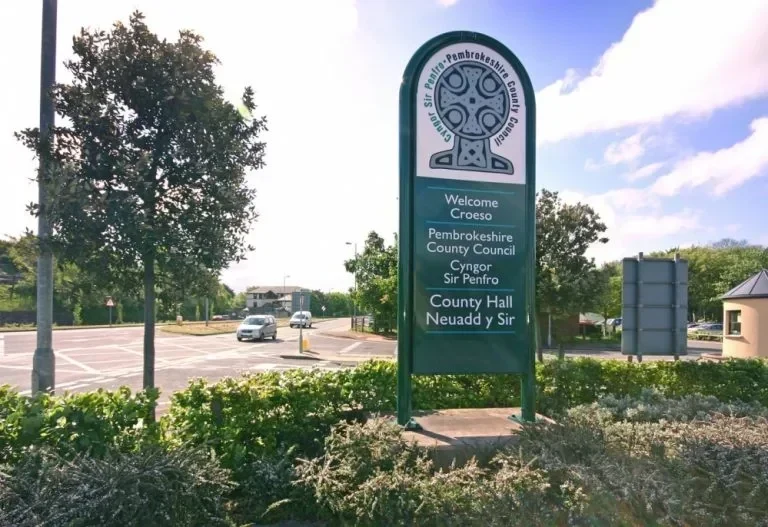
Pembrokeshire residents have lodged a significant surge in formal complaints to their local council, with figures revealing an eight per cent increase year-on-year. The authority recorded a total of 1,052 complaints during the latest reporting period, marking a notable rise in public dissatisfaction with local services. This upward trend highlights growing tensions between the community and the administration responsible for delivering essential infrastructure and support.
The data indicates a clear shift in how residents are engaging with their local government. Rather than relying on informal channels, more individuals are choosing to submit official records of their concerns. This formalisation of complaints suggests a deeper level of frustration among the population.
The council has acknowledged the volume of submissions received over the past twelve months.
Officials note that the rise aligns with broader national trends seen across various local authorities in Wales. However, the specific magnitude of the increase in Pembrokeshire warrants close scrutiny. Residents are increasingly seeking accountability for service delivery failures.
The shift towards formal complaints reflects a desire for documented responses and tangible resolutions.
While the specific breakdown of complaint categories was not detailed in the initial release, such rises typically correlate with housing, waste management, and social care issues. These sectors often face the highest levels of public scrutiny during periods of budgetary constraint. The council faces pressure to address these systemic challenges effectively.
Community leaders have urged the authority to prioritise transparent communication with affected residents.
The increase in complaints may also reflect a heightened awareness of residents’ rights to challenge local decisions. Many individuals are now better informed about the formal processes available to them. This empowerment has led to a more rigorous approach to holding the council to account.
The authority must now demonstrate its capacity to manage this increased workload efficiently.
Pembrokeshire County Council has stated that it takes all complaints seriously and is committed to resolving them promptly. The authority emphasises that feedback, even when negative, is crucial for improving service standards. It has confirmed that resources are being allocated to enhance its complaint handling procedures.
The goal is to reduce resolution times and improve the overall customer experience.
The council plans to review its current processes to identify bottlenecks in the complaint lifecycle. This review will involve consultation with staff and potentially external experts. The aim is to implement best practices that ensure fairness and consistency in all decisions.
Residents are encouraged to continue providing feedback through established channels.
The rise in complaints places additional administrative strain on the council’s operational teams. Staff members responsible for handling grievances may face increased workloads during this period. This could potentially impact the speed at which other routine services are delivered.
The council must balance the need for thorough investigation with the necessity of timely responses.
Community groups have expressed concern that the volume of complaints may signal deeper underlying issues. They argue that addressing root causes is more effective than merely processing individual grievances. The council is expected to provide further insights into the nature of these complaints in upcoming reports.
Transparency will be key to rebuilding trust with the local population.
The situation underscores the importance of robust local governance in maintaining public confidence. As the council moves forward, it must demonstrate a clear strategy for managing the increased demand. Residents will be watching closely to see if the promised improvements materialise.
The coming months will be critical in determining whether this trend can be reversed.

Eli Nathan
Eli Nathan covers Wales news, politics, community stories, and sports for The National Wales (thenational.wales).
Follow real-time news and explainers on X at @elinathan1122. Reports are verified from official public announcements, emergency authorities, the Met Office, NHS Wales, and established news outlets across Wales.
Corrections and tips: if you spot an error in one of our reports, or have a story you think we should cover, contact the desk at [email protected] or via the contact page.