
Wales Housing Emergency: Senedd Committee Hears Alarming New Details
Ministers face intense scrutiny as the Senedd committee examines the scale of the housing crisis and the urgent need for policy reform.
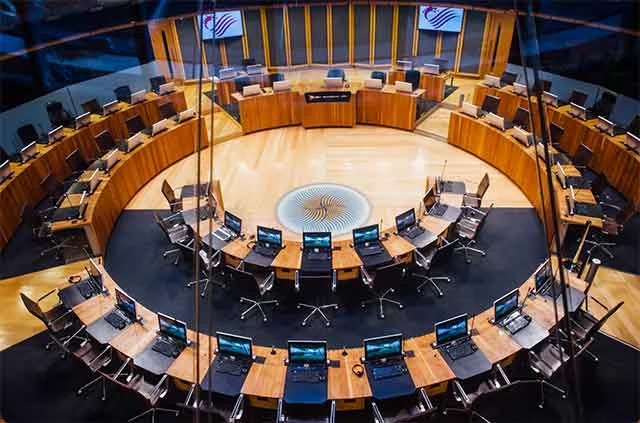
Welsh ministers have been confronted with stark evidence of a deepening housing emergency during a critical session at the Senedd. The committee heard detailed testimony highlighting the severe strain on the nation’s housing stock and the urgent need for immediate intervention. This development marks a significant escalation in the political debate surrounding affordable homes across the country.
The inquiry focused on the widening gap between housing supply and demand, particularly for lower-income households. Witnesses outlined how rising costs and limited availability are pushing families to the brink of homelessness. The atmosphere in the chamber was tense as officials pressed for concrete solutions rather than further delays.
The evidence presented to the committee painted a grim picture of the current market conditions. Statistics indicated a significant shortfall in social housing units, with waiting lists reaching record highs in several key regions. These figures underscore the systemic nature of the problem, which extends far beyond individual local authority boundaries.
Ministers were questioned on the pace of new build developments and the effectiveness of current funding models. The committee sought clarity on how much additional investment is required to address the backlog. Responses from the Welsh Government were scrutinised for their realism and feasibility in the short term.
Opposition members used the session to intensify pressure on the administration to act swiftly. They argued that previous pledges had not translated into sufficient tangible results for vulnerable communities. The debate highlighted the growing frustration among constituents who feel left behind by the housing crisis.
The committee chair emphasised the need for a coordinated national strategy to tackle the issue. They called for cross-party cooperation to ensure that policy changes are implemented without unnecessary political obstruction. This call for unity reflects the severity of the situation facing Welsh households today.
The testimony included personal accounts from residents affected by the lack of affordable housing. Many described the stress and uncertainty of living in temporary accommodation or overcrowded conditions. These human stories served to ground the statistical data in the lived experiences of ordinary people.
Community leaders also spoke about the ripple effects of the housing shortage on local services. Schools, health centres, and social care providers are all feeling the pressure of population displacement. The committee noted that the crisis is not just a housing issue but a broader social challenge.
Despite the urgency expressed by committee members, a clear consensus on the next steps remains elusive. The Welsh Government indicated that a comprehensive review of housing policy is underway. However, critics argue that the timeline for this review is too slow to address the immediate needs of families.
The session concluded with a commitment to publish a detailed report on the findings. This document will likely serve as the basis for future legislative proposals and budget allocations. For now, the housing emergency remains a defining issue in Welsh politics, demanding urgent attention from all parties.
The committee’s work highlights the complex interplay between economic factors, planning regulations, and social welfare. Solving the crisis will require innovative approaches and significant financial commitment. The coming months will be crucial in determining whether Wales can turn the tide on this persistent challenge.

Eli Nathan
Eli Nathan covers Wales news, politics, community stories, and sports for The National Wales (thenational.wales).
Follow real-time news and explainers on X at @elinathan1122. Reports are verified from official public announcements, emergency authorities, the Met Office, NHS Wales, and established news outlets across Wales.
Corrections and tips: if you spot an error in one of our reports, or have a story you think we should cover, contact the desk at [email protected] or via the contact page.