
Wales Rail: No Trains West Of Carmarthen As Major Works Begin
Commuters face major disruption as all services west of Carmarthen are suspended today for essential November engineering works.
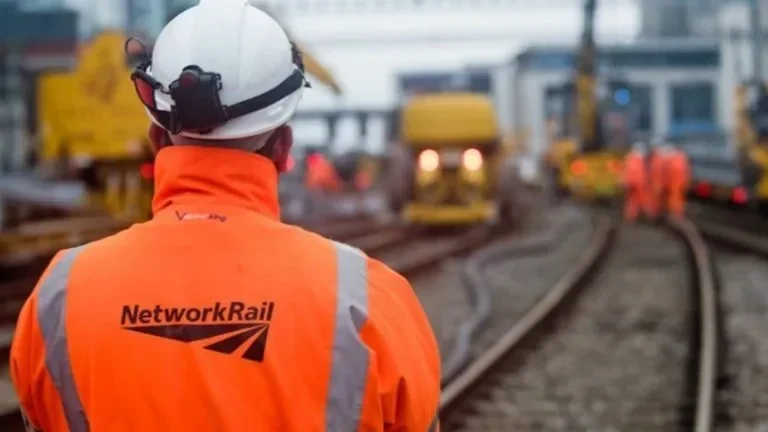
Major rail disruptions have commenced across South Wales today, with all services west of Carmarthen suspended for the duration of the day. The closure marks the start of significant engineering works scheduled for November, impacting commuters and holidaymakers travelling to the Gower Peninsula and beyond. Passengers are being urged to check alternative transport options before travelling.
The suspension of services is part of a planned programme of essential infrastructure upgrades designed to improve long-term reliability and speed on the line. Network Rail has confirmed that these works are critical for maintaining the safety and efficiency of the rail network in the region. The closure affects both local and long-distance services, creating a significant logistical challenge for daily travellers.
The primary focus of the current works involves track replacement and signalling upgrades between key stations in the west. These interventions are necessary to address wear and tear that has accumulated over recent years, ensuring the line can handle modern train speeds safely. Engineers are working around the clock to complete the tasks within the allocated possession period.
While the works are extensive, they are considered vital for the future of rail travel in South Wales. The upgrades aim to reduce delays and improve punctuality for passengers once the line reopens. Network Rail has emphasised that such maintenance is a routine but essential part of keeping the railway safe and functional for all users.
Passengers should note that the closure is not limited to peak hours but extends throughout the entire day. This means that no trains will operate on the affected section, requiring a complete shift to other modes of transport. The scale of the disruption is significant, affecting thousands of regular commuters and occasional travellers alike.
In response to the rail suspension, enhanced bus services have been introduced to provide a viable alternative for passengers. These replacement buses are scheduled to run at regular intervals, connecting major towns and cities that are normally served by the rail line. Travellers are advised to plan their journeys carefully, as bus travel times may be longer than the usual train journey.
Local authorities and transport operators are working together to ensure that the alternative services are as seamless as possible. Information about bus routes and timetables is available through local transport websites and at key bus stops. Passengers are encouraged to arrive early to avoid missing connections, particularly during peak travel times.
For those who must travel by car, traffic congestion is expected on the main roads running parallel to the closed rail line. Drivers should allow extra time for their journeys and consider using navigation apps to find the best routes. The increased volume of road traffic is a direct consequence of the lack of rail capacity in the area.
Daily commuters have expressed frustration at the timing of the closures, which coincide with the busy November period. Many rely on the rail service for their work commutes, and the disruption has forced them to adjust their schedules or work from home where possible. The inconvenience has highlighted the dependence of the region on a reliable rail network.
Businesses in the affected areas are also feeling the impact, with some reporting difficulties in getting staff to work on time. The lack of a direct rail link has added complexity to logistics and supply chains for local firms. However, most have acknowledged the necessity of the works for the long-term benefit of the community.
Travellers are advised to stay informed about the latest updates regarding the closure and any potential changes to the schedule. Official channels will provide real-time information on the progress of the works and the expected reopening date. Patience and planning are key to navigating this period of disruption.
The completion of these engineering works is expected to bring significant benefits to rail users in the coming months. Improved infrastructure should lead to fewer delays and a more reliable service for all passengers. The temporary inconvenience is seen as a necessary investment in the future of transport in South Wales.
As the day progresses, transport operators will continue to monitor the situation and adjust services as needed. Passengers are reminded to check for any last-minute changes before setting out on their journey. The goal is to ensure a safe and efficient return to normal service once the works are completed.

Eli Nathan
Eli Nathan covers Wales news, politics, community stories, and sports for The National Wales (thenational.wales).
Follow real-time news and explainers on X at @elinathan1122. Reports are verified from official public announcements, emergency authorities, the Met Office, NHS Wales, and established news outlets across Wales.
Corrections and tips: if you spot an error in one of our reports, or have a story you think we should cover, contact the desk at [email protected] or via the contact page.