
Aberystwyth scientist lands £1.8m Royal Society fellowship
Dr Hannah Rees of IBERS will study circatidal clocks in seagrasses, aiming to aid resilience and carbon capture, backed by a £1.8m Royal Society fellowship.
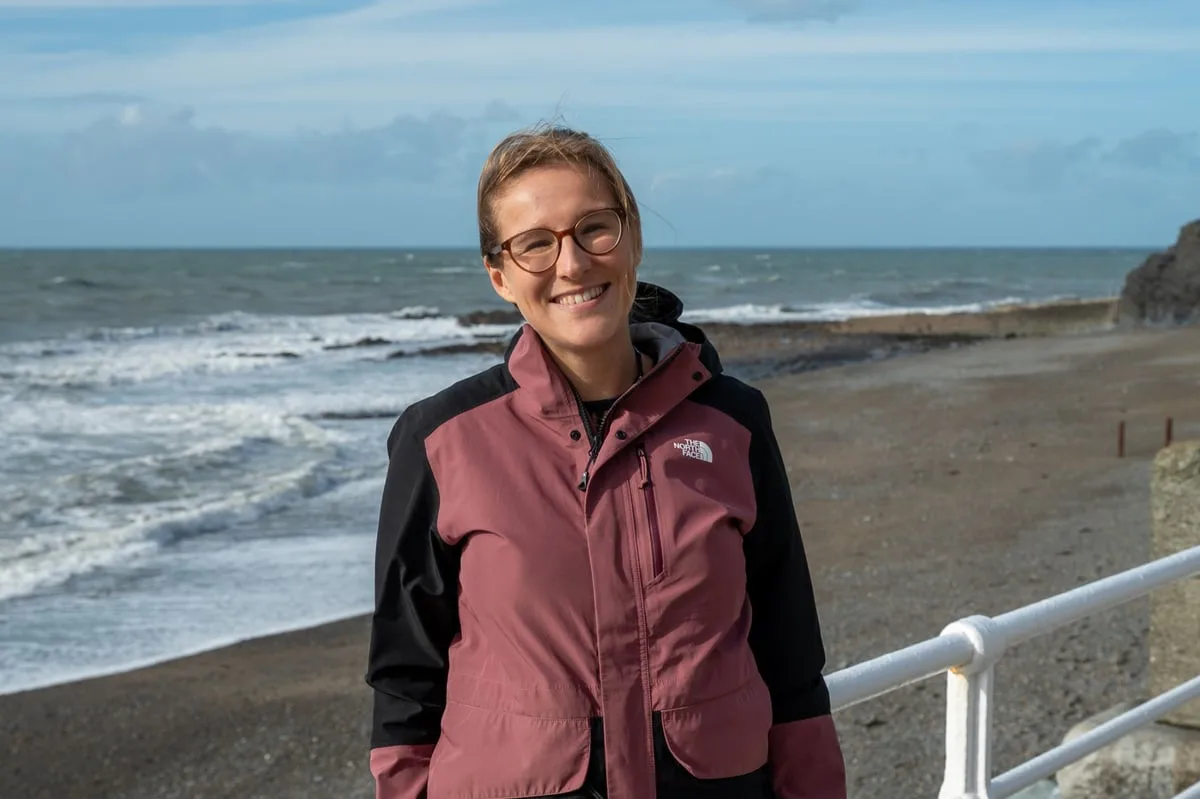
Aberystwyth University researcher Dr Hannah Rees has been awarded a Royal Society Dorothy Hodgkin Fellowship worth more than £1.8 million to fund eight years of work. The 2026 Dorothy Hodgkin Fellowship recognises early‑career scientists of outstanding promise and provides long‑term support for ambitious research programmes.
Dr Rees, a senior lecturer in the Institute of Biological, Environmental and Rural Sciences (IBERS), will receive the full grant amount to explore a novel aspect of marine plant biology. The fellowship will finance a project investigating whether seagrasses have evolved circatidal clocks that enable them to anticipate the rise and fall of tides.
“Seagrasses are a fascinating species.” “They are central to the oceans’ ecosystem and their roots help protect our coastline.”
“Thanks to the Royal Society, I will be able to explore how biological clocks in seagrass work and how they can be used to help aid restoration efforts.” “If we find circatidal clocks in seagrasses we will have uncovered an entirely novel timing mechanism in flowering plants – it’s very exciting.”
“It is huge honour to be one of the recipients of this year’s Dorothy Hodgkin Fellowships.” “It plays a major role in helping academics with caring responsibilities have the time and support to carry out research.”
Dr Rees said the funding will allow her to combine field observations with molecular techniques to uncover hidden timing mechanisms in these key coastal species.
Seagrasses are recognised for stabilising sediments, providing habitat for marine life and sequestering carbon, making any advance in their management highly valuable. “We are delighted to see Hannah awarded a Dorothy Hodgkin Fellowship.”
“This prestigious award recognises both her exceptional potential as a researcher and the international significance of her work.” “Hannah’s research will improve our understanding of seagrass ecosystems, which are increasingly important for biodiversity recovery, coastal resilience and carbon storage.”
“The Fellowship is a major investment in an outstanding early career scientist and further reinforces the strength of plant and environmental science at IBERS.”
Professor Iain Donnison, head of IBERS, highlighted the broader implications of the study for climate mitigation and shoreline protection. The project will involve collaborations with marine ecologists, chronobiologists and coastal engineers to translate laboratory findings into practical restoration strategies.
Understanding circatidal rhythms could enable the timing of planting and harvesting to align with natural tidal cycles, improving survival rates of restored seagrass beds. “I am delighted to welcome this latest cohort of Dorothy Hodgkin Fellows.”
“The Royal Society is proud to provide the long‑term funding and support that helps to nurture exceptional talent.”
Sir Paul Nurse, president of the Royal Society, underscored the importance of sustained investment in early‑career researchers tackling urgent environmental challenges. The fellowship adds to a growing portfolio of Royal Society grants aimed at bolstering UK science capacity in the face of global ecological change.
Dr Rees joins a distinguished group of Dorothy Hodgkin Fellows who are expected to become leaders in their fields, shaping research agendas for years to come. IBERS anticipates that the outcomes of the seagrass clock project will feed into national policies on marine conservation and carbon accounting.
With the £1.8 million award secured, Dr Rees is set to commence fieldwork along the Welsh coastline later this year, marking a significant milestone for Welsh marine science.