
Monmouthshire Council hires £90k school improvement chief amid deficit crisis
Monmouthshire appoints Adelaide Dunn to lead school improvement as councils confront a £9.3m deficit, aiming to tighten finances while safeguarding education standards.
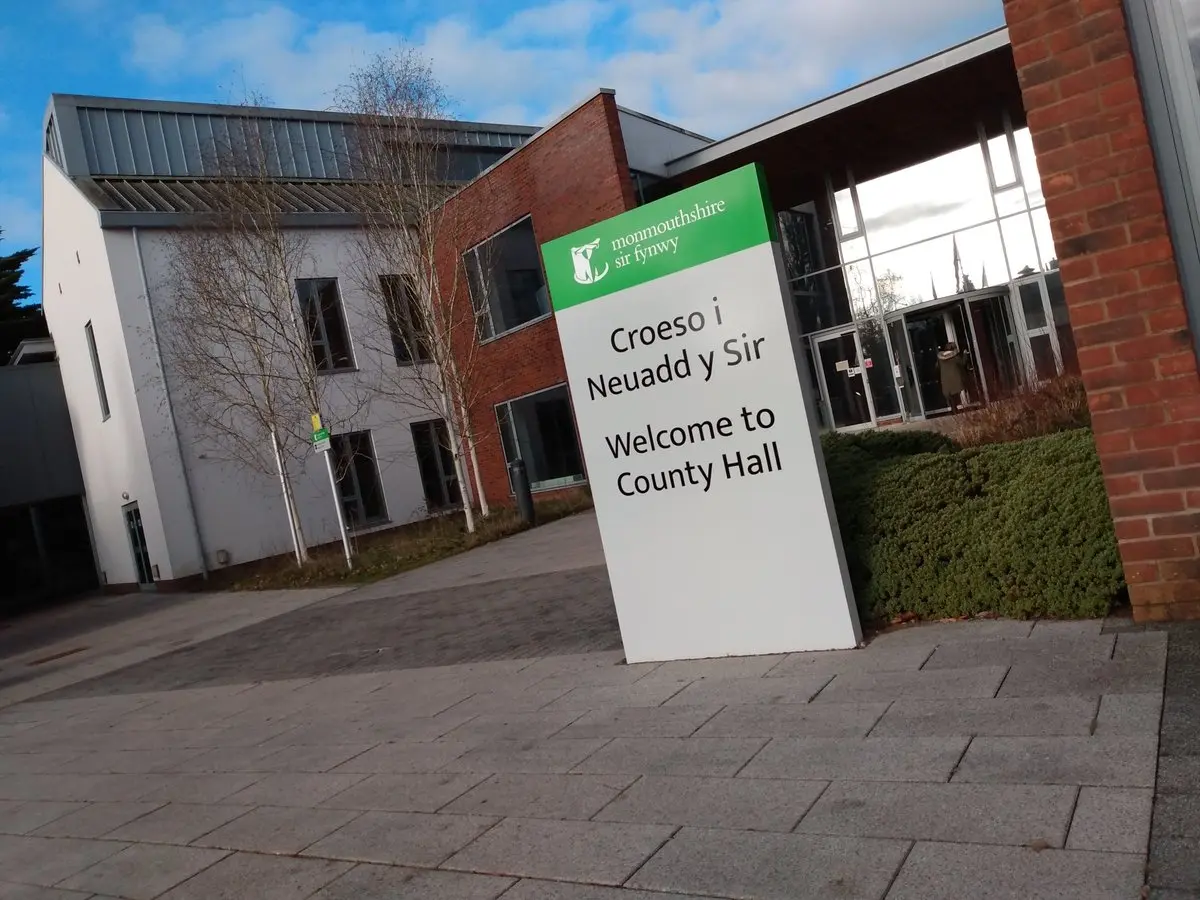
Monmouthshire County Council has appointed Adelaide Dunn as its new head of service for school improvement and partnerships, a role that carries a salary of up to £90,000 a year. The appointment comes as the authority grapples with a projected school‑fund deficit of £9.3 million by the end of the financial year, up from a £6.8 million shortfall at the start of the year.
School accounts across the county are expected to draw down an additional £2.4 million, a £17,000 increase on original forecasts, pushing 18 schools – including all four secondary schools – into deficit. During a recent scrutiny committee meeting, the council’s assistant head of finance reminded councillors that while schools manage their own budgets, they remain supported by the council’s financial framework.
“The onus is there on financial resilience on their part as much as there is for delivering educational standards,” said Councillor Jonathan Davies. In September, full council passed a motion urging a reduction in the deficit without cutting school staffing levels, placing the onus on schools to tighten financial controls.
Will McLean, the council’s director of education, warned that the deficit issue is not unique to Monmouthshire, describing it as a crisis affecting nearly every education authority in Wales.
He highlighted rising demand for additional learning needs (ALN) support as a key cost driver, alongside the need for specialist staff to address persistent poor attendance and behaviour. McLean added that, as a last resort, the council can intervene directly in a school’s budget if leadership fails to act on agreed improvement plans.
Recovery plans set out by the council aim to trim the overall deficit to just over half a million pounds by the 2032/33 financial year. A recent report warned that the current school deficit “impacts upon the council’s overall financial resilience and increases its risk exposure by reducing available balance‑sheet resources.”
Dunn, who joins the council at the start of the new year, comes from the Local Authority School Improvement Service, a body that works with Monmouthshire and other Gwent councils to bolster school performance.
The post sits in band B of the council’s leadership salary structure, which ranges from £86,449 to £90,661, reflecting the seniority of the role. In her new capacity, Dunn will oversee the strengthening of partnerships across the education sector and drive continued improvement in standards and pupil wellbeing.
Council leaders said the appointment signals a renewed focus on tackling the financial pressures facing schools while safeguarding educational outcomes. They noted that the new chief will work closely with school heads to develop robust financial plans that align with the council’s broader fiscal targets.
Monmouthshire’s 34 schools and the council‑run pupil referral unit collectively bear the brunt of the deficit, prompting calls for tighter oversight and strategic investment. Local education stakeholders have expressed cautious optimism that the new role will bring fresh expertise to navigate the complex financial landscape.
The council’s finance team will monitor progress against the deficit reduction targets, with quarterly updates slated for the scrutiny committee. Should schools fail to meet agreed financial benchmarks, the council retains the authority to assume direct control of their budgets, a measure McLean described as a “last resort.”
By appointing a dedicated improvement chief, Monmouthshire aims to balance fiscal responsibility with the imperative of maintaining high‑quality education for its pupils.
The move underscores the council’s commitment to addressing both the immediate budgetary challenges and the longer‑term sustainability of its school system.