
Cardiff Pub’s £250k Revamp Sparks Fierce Online Backlash
The establishment underwent a complete overhaul, with an estimated spend of £250,000 allocated to the project. The revamp was designed to update the interior, improve seating arrangements, and…
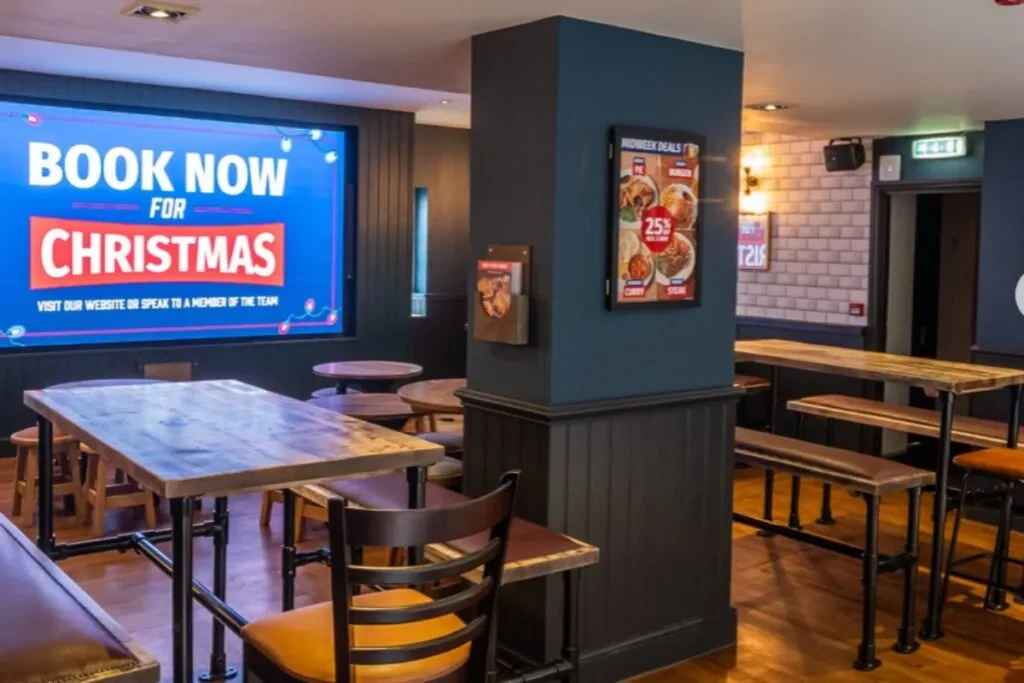

A major renovation of a prominent Cardiff pub has ignited a heated debate across social media platforms. Despite a significant financial investment aimed at modernising the venue, the results have drawn sharp criticism from local residents. The controversy highlights a growing disconnect between commercial ambitions and community expectations in the capital’s nightlife sector.
The establishment underwent a complete overhaul, with an estimated spend of £250,000 allocated to the project. The revamp was designed to update the interior, improve seating arrangements, and refresh the overall aesthetic to attract a broader demographic. Management had hoped the changes would revitalise footfall and secure the pub’s future in a competitive market.
However, the outcome has failed to meet the high expectations set by the scale of the investment. Instead of generating enthusiasm, the new design has become the centre of a viral online dispute. The reaction has been swift and predominantly negative, with thousands of users sharing their views on the changes.
Social media users have taken to platforms to voice their dissatisfaction with the new look. Many have described the updated interior as lacking the traditional character that made the venue popular in the first place. Comments frequently reference the loss of the pub’s original charm and heritage.
One user commented on the stark contrast between the old and new spaces, noting the loss of “soul” in the design. Others pointed out specific elements of the renovation that they felt were unnecessary or poorly executed. The volume of negative feedback has created a significant reputational challenge for the business owners.
The debate has extended beyond the immediate vicinity of the pub, drawing in users from across Wales. This widespread engagement underscores the importance of community sentiment in the hospitality industry. For many locals, the pub serves as a social hub, and changes to its identity are viewed with particular sensitivity.
Local residents have expressed concern that the modernisation efforts may alienate long-standing customers. The pub is seen as a cornerstone of the local social scene, and its identity is deeply tied to its historical appearance. Critics argue that the new design feels impersonal and disconnected from the neighbourhood’s character.
Supporters of the revamp argue that necessary updates were required to maintain safety standards and comfort. They suggest that the criticism is an overreaction to inevitable changes in the hospitality landscape. However, these voices have been largely drowned out by the chorus of detractors online.
The situation presents a difficult dilemma for the venue’s management. Ignoring the backlash could further damage their reputation, while reversing the changes would incur additional costs. The outcome of this dispute will likely serve as a cautionary tale for other businesses considering major renovations in established communities.
This incident highlights the delicate balance between commercial viability and community preservation. As Cardiff continues to develop, tensions between modernisation and tradition are likely to persist. Businesses must carefully consider the impact of their decisions on local sentiment before proceeding with significant changes.
The pub’s owners have yet to issue a formal response to the online criticism. It remains to be seen whether they will attempt to address the concerns directly or focus on operational improvements. The coming weeks will be crucial in determining whether the venue can recover its standing with the public.
For now, the £250,000 revamp stands as a symbol of the risks involved in altering a beloved local institution. The episode serves as a reminder that in the hospitality sector, customer loyalty is built on more than just physical aesthetics. Understanding and respecting the community’s attachment to a place is essential for long-term success.