
Wales Councils Launch Urgent Lobby Over Empty High Street Sites
Local authorities are demanding new powers to convert vacant commercial units into housing to save town centres from decay.
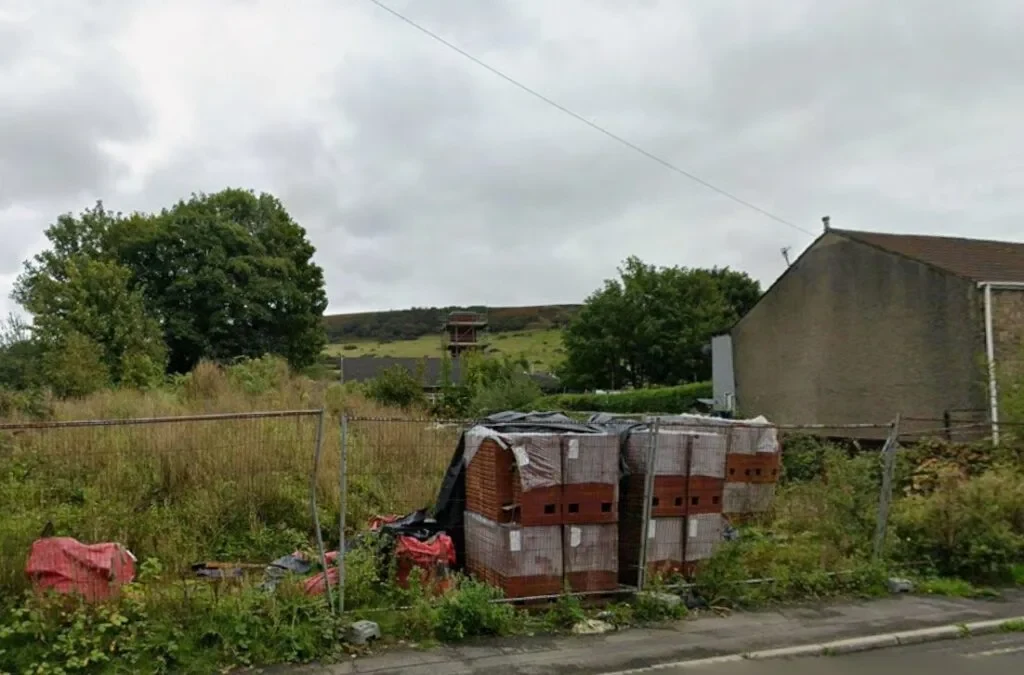

Local authorities across Wales are preparing a formal lobbying campaign to the Welsh Government, urging immediate action to unlock thousands of vacant commercial properties. The initiative aims to address the growing crisis of empty high-street units that are blighting town centres and stifling local economic recovery. Council leaders argue that current planning frameworks are too rigid to facilitate the rapid conversion of these derelict sites into viable housing or community spaces.
The move comes as data indicates a significant rise in long-term vacancies across major Welsh urban centres. Councils contend that without urgent legislative intervention, the physical decay of these buildings will accelerate, further eroding consumer confidence in local retail hubs. They are seeking powers to bypass standard planning hurdles for specific categories of empty commercial premises.
Representatives from several local authorities have drafted a joint submission highlighting the scale of the problem. The document outlines how prolonged vacancy periods lead to structural deterioration, making eventual redevelopment significantly more expensive and complex. Officials state that the current system fails to incentivise private sector investment in areas where market demand for commercial space has collapsed.
The lobbying effort focuses on granting councils greater flexibility to rezone empty shops and offices. This would allow for faster conversions into residential units, which are in high demand across the country. By streamlining the approval process, authorities believe they can stimulate construction activity and create jobs in the building sector.
Ministers have been briefed on the proposed changes, with council leaders emphasising the time-sensitive nature of the issue. They warn that every month of inaction results in further loss of potential economic value. The proposal seeks to create a dedicated fast-track route for applications involving properties that have been empty for more than a specified period.
The financial implications of widespread vacancy are severe for local budgets and community vitality. Empty units generate no rateable value, reducing the funds available for essential services and infrastructure maintenance. Furthermore, the visual blight of boarded-up windows and broken signage discourages footfall, creating a negative cycle for remaining businesses.
Local enterprise zones and regeneration funds have struggled to keep pace with the volume of empty stock. Councils argue that targeted legislative support is required to leverage private capital effectively. They point to successful models in other UK regions where flexible planning rules have helped revitalise struggling high streets.
The campaign also highlights the social dimension of the issue, noting that empty commercial spaces often represent lost opportunities for community facilities. Converting these sites into affordable housing or social enterprises could address multiple local needs simultaneously. Authorities are pushing for a holistic approach that balances economic efficiency with social benefit.
Following the submission, a meeting is scheduled between senior council officials and Welsh Government ministers. The agenda will include a detailed review of the proposed legislative amendments and their potential impact on existing planning law. Council leaders hope to secure a commitment to a pilot scheme in selected towns within the next fiscal year.
Industry bodies have expressed cautious support for the initiative, provided that quality standards for conversions are maintained. They warn against a race to the bottom in construction quality, which could lead to long-term maintenance issues. The focus remains on creating sustainable, high-quality developments that enhance the character of Welsh towns.
The outcome of these discussions will be closely monitored by property developers and local residents alike. A successful lobbying effort could mark a significant shift in how Wales approaches urban regeneration and housing supply. The coming weeks will be crucial in determining whether the proposed changes will be adopted into the national planning framework.