
Wales Councillor Warns Of Severe Health Risks From Energy Drinks
The councillor emphasised that the potent combination of sugar and caffeine in these products can have detrimental effects on developing bodies. Young people are particularly vulnerable to the…
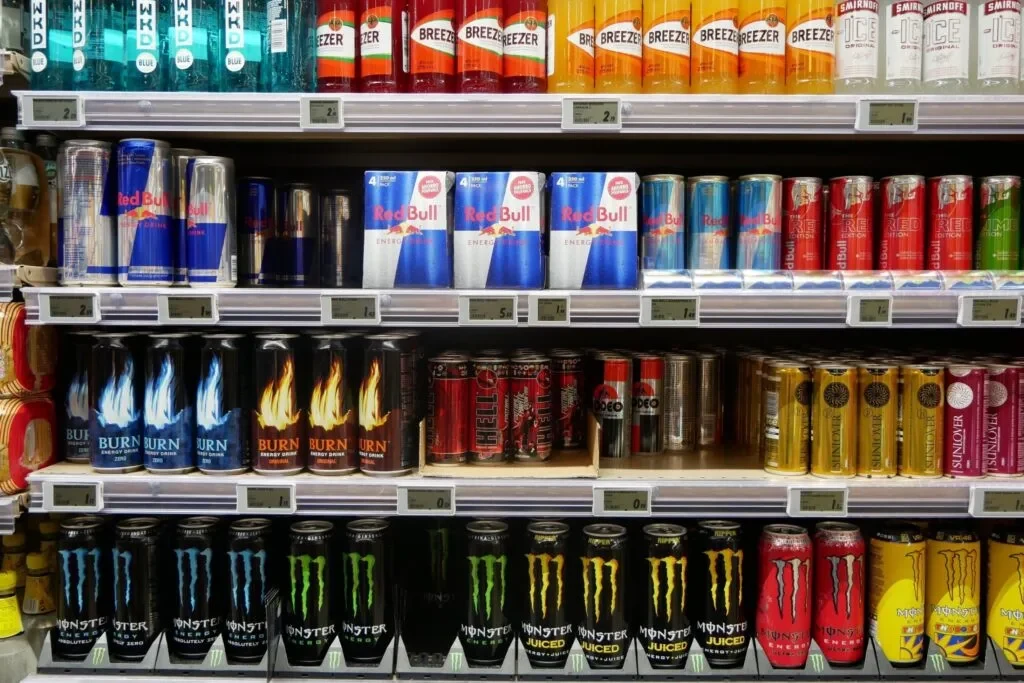

A senior Welsh councillor has issued a stark warning regarding the severe health risks posed by energy drinks to young people across the region. The intervention comes amid growing concern from health professionals about the rising consumption of high-sugar, high-caffeine beverages among teenagers. This urgent call to action highlights a significant public health challenge facing local communities and families.
The councillor emphasised that the potent combination of sugar and caffeine in these products can have detrimental effects on developing bodies. Young people are particularly vulnerable to the physiological impacts of such intense stimulants. Health experts have long cautioned that excessive intake can lead to serious cardiovascular and neurological issues.
Local health officials have noted a troubling trend in the purchase and consumption of energy drinks by minors. Schools and community centres have reported an increase in students experiencing symptoms such as anxiety, insomnia, and heart palpitations. These symptoms are directly linked to the high caffeine content found in many popular brands.
The councillor stated that the current regulatory framework is insufficient to protect young people from these harmful products. There is a pressing need for stricter age restrictions and clearer labelling requirements on all energy drink packaging. Without immediate intervention, the long-term health consequences for the next generation could be severe and irreversible.
Parents and guardians are being urged to monitor their children’s dietary habits closely. Many families remain unaware of the specific health dangers associated with regular energy drink consumption. Education campaigns are being proposed to raise awareness in schools and community groups across Wales.
The proposed measures include banning the sale of energy drinks to anyone under the age of 16. This would align Welsh policy with stricter standards adopted in other parts of the United Kingdom. The councillor argued that such a ban would significantly reduce access to these harmful beverages for at-risk youth.
Furthermore, there is a push for mandatory warning labels on all energy drink containers. These labels would clearly state the caffeine content and potential health risks in bold, visible text. The aim is to ensure that consumers, particularly young people, are fully informed before making a purchase.
Industry representatives have expressed concern over the potential impact of such regulations on their businesses. However, public health advocates argue that the safety of children must take precedence over commercial interests. The debate is expected to dominate upcoming local council meetings and health committee discussions.
Supporters of the ban point to international evidence showing a reduction in youth consumption following similar legislative changes. Countries with strict age limits have reported fewer cases of caffeine-related health emergencies among teenagers. This data provides a strong foundation for the proposed Welsh policy shift.
Local GPs have reported an increase in young patients presenting with symptoms of caffeine overdose. These cases often require urgent medical attention and can result in prolonged hospitalisation. The financial burden on the NHS is becoming increasingly difficult to manage without preventive measures.
Community health workers are planning to launch a series of workshops for parents and carers. These sessions will provide practical advice on identifying healthy alternatives to energy drinks. The goal is to empower families to make informed choices that support long-term well-being.
The councillor’s warning has resonated strongly with local residents and educators. Many have shared their own experiences of seeing the negative effects of energy drinks on their children. This grassroots support is crucial for building momentum behind the proposed regulatory changes.
As the debate intensifies, the focus remains on protecting the health and future of Wales’ young people. The coming weeks will be critical in determining the direction of local health policy. All stakeholders are encouraged to engage in the discussion and advocate for safer choices for the next generation.
Further updates on the council’s decision-making process will be provided as the consultation period progresses. Residents are invited to submit their views on the proposed energy drink restrictions. The outcome of this consultation will shape the future of public health initiatives in the region.