
Uptake of free school meals falls among poorest families
New evaluation shows lower‑income families using fewer school lunches despite financial benefits, raising concerns over choice and taste.
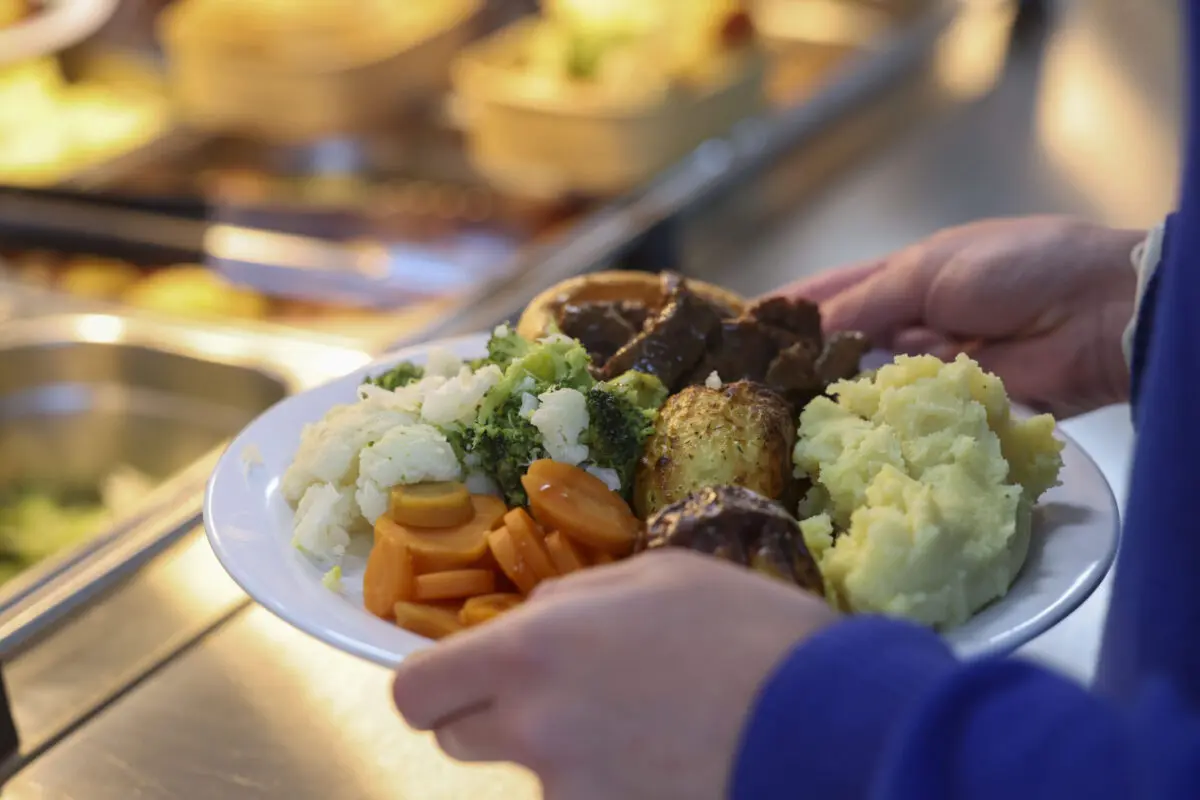
New data from the Welsh Government’s second interim evaluation of universal primary free school meals reveal that children from the poorest households are eating fewer school lunches than before the policy’s rollout.
Among families with annual incomes below £10,000, 40 % reported a reduction in the number of school meals taken each week, compared with just 8 % of respondents earning over £50,000.
Only 19 % of the lowest‑income group said their children were eating more school meals, while 56 % of the highest‑income households reported an increase.
The evaluation, carried out by ICF Consultancy Ltd and commissioned by the previous Welsh Government, surveyed 1,517 parents and carers between October and December 2025, with responses from 136 schools.
Participation was voluntary and the findings are not representative of all Welsh families; some income‑group comparisons involved fewer than 100 respondents.
Researchers noted that participation was lower, and in some cases declining, among lower‑income respondents despite the potential benefits for those families.
Younger children in lower‑income households were more likely to eat school meals than older pupils, but the pattern’s durability as children progress through primary school remains uncertain.
Overall, 92 % of respondents said their child ate at least one school lunch a week, and 58 % took a meal every day.
For families choosing not to use school meals on some or all days, limited menu choice was the most common reason, cited by 61 % of respondents.
Almost half – 47 % – said their child did not like the taste, while 19 % complained the meals were not filling enough.
Written comments highlighted concerns about portion sizes for older children and whether menus catered adequately for individual dietary needs.
Researchers concluded that “extending entitlement alone does not ensure consistent uptake”, identifying choice, taste, portion size and dietary requirements as key factors.
Financial savings were reported by 77 % of respondents, with 70 % saying the policy saved them time.
Savings were most commonly reported by households earning between £30,001 and £40,000, at 86 %, compared with 61 % of those earning below £10,000.
The report suggests that some lower‑income families may already have received means‑tested free meals before universal provision began, limiting any additional savings.
Lower uptake could also have contributed, although the survey could not determine how far either factor explained the difference.
Parents’ assessments of the meals were largely positive: 87 % rated them as healthy and nutritious, and 62 % felt the policy had improved their child’s health and wellbeing.
Around a third of respondents reported better concentration at school, though these were perceptions rather than direct measurements of health or educational outcomes.
Universal primary free school meals were announced in December 2021 as part of the cooperation agreement between Labour and Plaid Cymru, and were rolled out between September 2022 and September 2024.
The final phase of the evaluation will investigate why some lower‑income households make less use of free school meals and examine barriers facing children with additional learning needs, as well as changes to local food procurement.
A Welsh Government spokesperson said: “The evaluation shows that the rollout of universal free school meals in primary schools is making a positive difference for families, supporting them with cost‑of‑living pressures, reducing health inequalities and promoting healthy eating.”
“The findings of this report will inform the final phase of the evaluation including what can be done to improve uptake,” the spokesperson added, noting that the data were gathered before revised Healthy Eating Regulations were introduced.
The spokesperson described the findings as a “snapshot of respondents’ experiences and perceptions at a relatively early stage of policy implementation”.