
Diesel hits £2 per litre as UK government urges calm
Diesel reaches a record £2 per litre, prompting government reassurance and warnings from motoring groups about household impact.
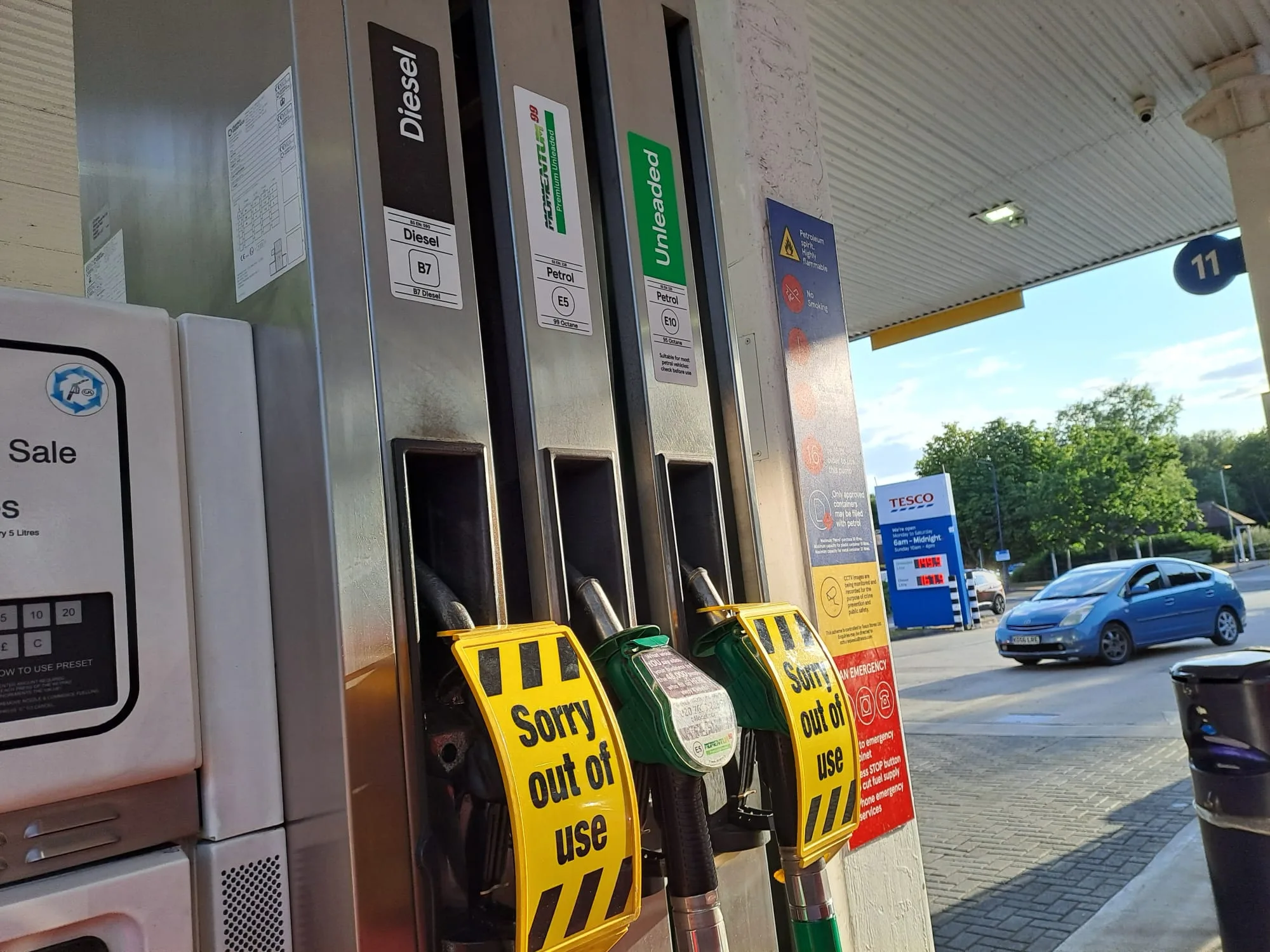
Diesel hit a historic £2 per litre on Friday, with the RAC reporting an average forecourt price of 200.01p – eclipsing the previous peak of 199.09p set in June 2022.
Transport Secretary Keir Mather told Sky News he wanted to calm public anxiety, saying: “I want to reassure people this morning that the United Kingdom has got a diverse range of supply when it comes to diesel.”
He added that “We have resilience built into our system for that reason” and stressed the importance of overseas partnerships.
“We are working very closely with our US counterparts to stress the importance of that relationship, and the importance of sustaining flows of diesel around the world, but also working through international fora in the International Energy Agency and partners in Europe from whom we get a proportion of our diesel imports as well,” he said.
Despite the surge, Mather insisted “Although prices have gone up at the pump, the Government is aware of that and the freeze in fuel duty is still in place.”
He concluded, “People shouldn’t be concerned about shortages because of the inherent resilience that is built into that system.”
RAC head of policy Simon Williams warned that the price rise shows “no signs” of abating, noting the cost of filling an average family car now sits at £110 – “almost £32 more than it was at the start of the US and Iran war.”
Williams said the climb will strain “households and companies that drive a lot of miles, from commuters, haulage and delivery firms, businesses with large fleets all the way through to sole traders.”
He described the situation as “a cruel twist, it’s diesel vehicles, which were once considered the most cost-effective option for lengthy journeys, that are now burning a hole in people’s pockets.”
Britain imports roughly 55 per cent of its diesel, with about a third of those imports arriving from the United States, a reliance that has drawn fresh pressure from Washington.
US Treasury Secretary Scott Bessent posted on X, urging “Our European partners should accelerate delivery on their existing commitments and make additional supplies immediately available to address ongoing disruptions.”
He continued, “American farmers, truckers, and businesses should not be left carrying the burden of a global diesel shortage.” America is doing its part.
We look to our allies to match their commitments with action.”
President Donald Trump told reporters he “may” ask European partners to draw down from their reserves and hinted he was “thinking” about a ban on American diesel exports, a move that could further tighten global supplies.
The United Kingdom joined crisis talks with Brussels on Thursday over the possible release of emergency fuel stocks, while EU ministers met the European Commission on Friday.
Under International Energy Agency rules, member states must hold oil stocks equivalent to at least 90 days of net imports to guard against severe supply shocks.
When asked on LBC’s Nick Ferrari programme whether he agreed with Mr Trump’s stance, Mr Mather replied that the UK is “working closely with our European partners on diesel supply” and that “our European partners are absolutely central to that, particularly the flows of diesel coming through the Netherlands.”
He reiterated that the focus remains on “ensuring that we have diversity of supply into our economy” rather than relying on any single source.
Motoring groups warn that the record‑high price will hit family budgets and small businesses hardest, even as the government maintains the fuel duty freeze.
Analysts say the combination of geopolitical tension – notably the US‑Israel‑Iran conflict and the lingering effects of the Russia‑Ukraine war – and tighter global refining capacity has left diesel markets unusually fragile.
For now, the transport secretary’s message is clear: the UK’s diesel supply chain remains “robust” and “resilient”, but the price spike will test that resilience for months to come.