
Llanfrechfa garage plan refused over train‑line views
Torfaen Council rejects a homeowner’s garage extension in Llanfrechfa, citing visual impact on a busy rail line and protection of a special landscape area.
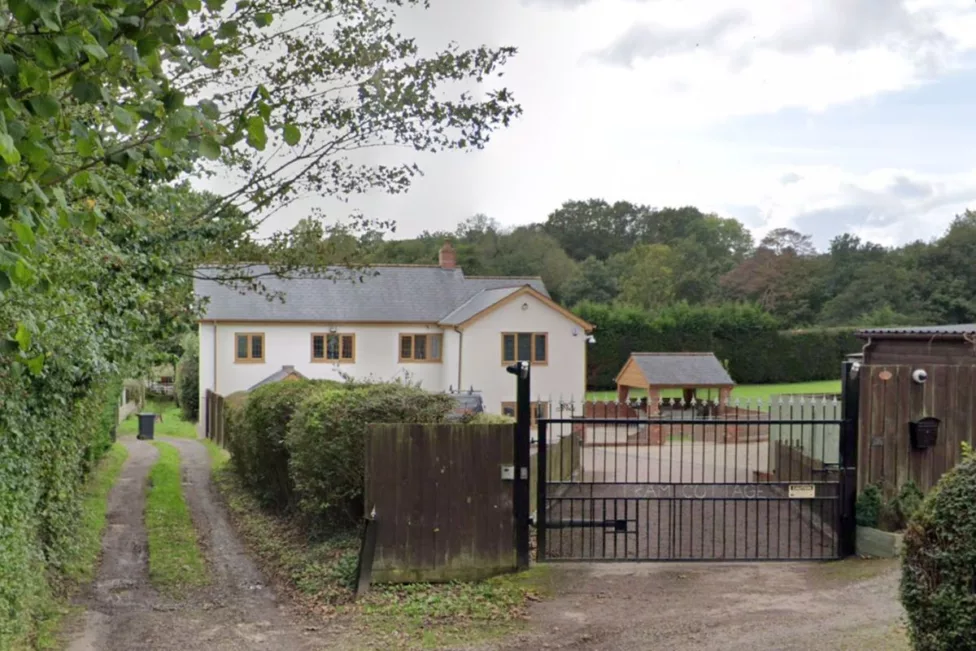
A planning application to extend a garden and build a garage at Tram Cottage in Llanfrechfa has been turned down after Torfaen Borough Council said the development would mar the view from a busy train line.
Homeowner Thomas Hillier, who has already erected a base, canopy, wall and steps on the site, sought permission to retain the works, complete the garage and add a first‑floor home office.
The property sits beside the South Wales to Manchester railway, a route that carries thousands of commuters between Cwmbran, Newport and Cardiff each day.
Hillier’s land lies within the council’s South Eastern Lowlands Special Landscape Area, a green wedge protected under both local and national planning policies.
Planning officer Mia McAndrew ruled the proposal unacceptable, citing the loss of scenery for passengers travelling the line.
“The site is part of the special landscape area and immediately visible from the train line and a public right of way.” Any visual impact from the proposed development is therefore considered to be significant,” she wrote in the refusal notice.
McAndrew added that, although the site is at the end of a private lane away from the public highway, its “sensitive” location demands strict scrutiny.
Development in the green wedge is only permitted in limited circumstances, typically for agricultural purposes or when essential, with residential projects normally confined to existing built‑up areas.
“This development goes beyond this, sprawling into surrounding countryside land,” the officer continued, “The applicant’s ownership of the land does not automatically change the use to residential.”
She argued the proposed garage would benefit only the occupant and lacked any wider community value that could justify the impact on the countryside.
“It is also considered that this minor residential development only benefits the occupant and would not have a community value to help justify any impact on the countryside, green wedge or special landscape area,” McAndrew said.
The council did acknowledge that the existing garden expansion, driveway and shelter, though “not ideal”, could be tolerated because of their “relatively limited scale and visibility” and because they have been in place “for some time”.
However, she warned that the new garage would be “a considerable step beyond this”.
Hillier’s application also failed to provide details on how ecological impacts would be managed, a shortfall that further weakened his case.
In her report, McAndrew noted that the size and siting of the proposed structure would harm the character of the special landscape area.
The refusal highlights the tension between private landowners seeking to develop rural plots and the wider public interest in preserving Wales’s green wedges.
Torfaen’s planning policy aims to protect visual amenity for both residents and the thousands of rail users who traverse the corridor each day.
Local campaigners have welcomed the decision, arguing that unchecked development could erode the distinctive countryside that defines the region.
Hillier may appeal the decision, but any further submissions will need to address the visual and ecological concerns raised by the council.
The case underscores the growing scrutiny of rural extensions in areas designated for landscape protection, a trend that could shape future planning outcomes across South Wales.