
Senedd probes smart‑glass use after Reform MS speech
Concerns mount over covert filming devices as Reform MS Jason O’Connell appears to use smart glasses during a key debate, prompting calls for new Senedd rules.
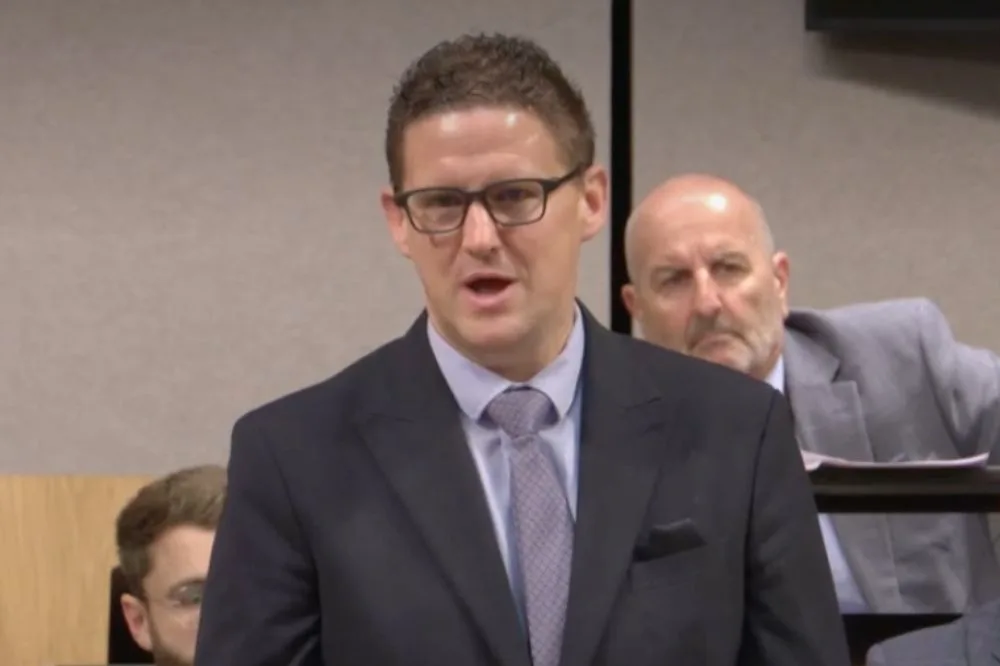
Senedd members have raised alarm over the possible use of covert filming devices after Reform MS Jason O’Connell was seen delivering a speech that appeared to be guided by smart glasses on Wednesday, 30 September.
Several colleagues reported catching fleeting glimpses of text scrolling across O’Connell’s lenses as he opened Reform’s debate on Wales’ 20 mph default speed limit, a detail that sparked immediate suspicion.
Unlike his usual reliance on printed notes, the MS did not look down at a script, prompting observers to note an unusual side‑to‑side movement of his eyes, a pattern often associated with reading a teleprompter display.
When approached about the concerns, O’Connell declined to comment, leaving the matter unresolved.
Teleprompter glasses project a digital script into the wearer’s field of vision, allowing a speaker to appear to speak from memory while actually reading prompts.
Critics argue that such devices could erode the perception of authenticity expected of elected representatives, suggesting a reliance on technology undermines the taxpayer‑funded role.
There are currently no explicit rules prohibiting members from using electronic aids, as laptops and printed notes are routinely permitted during contributions.
However, the emergence of smart glasses has prompted calls for the Senedd to consider new guidance to address both performance and privacy concerns.
Female members in particular warned that the discreet nature of the eyewear could enable covert video recording without consent, a fear amplified by a recent incident involving journalist Will Hayward.
Hayward was photographed in a blurry, surreptitious shot while interviewing Plaid Cymru members in the Senedd canteen, an image later shared by Reform Wales with a mocking caption before being deleted after backlash.
One MS told us that “formal concerns” had already been raised several weeks ago with the Senedd’s chief executive, Manon Antoniazzi, regarding the use of covert recording devices on the parliamentary estate.
The Senedd Commission responded that the Llywydd would expect any member intending to use this type of technology in the Chamber to discuss it with him first.
In addition, the Commission reaffirmed that strict rules govern filming in non‑public areas of the estate, and that permission must be obtained in advance from the Llywydd.
Senedd officials said they remain open to dialogue with members on security improvements, underscoring the delicate balance between modern technology and parliamentary decorum.
While smart glasses have gained popularity for hands‑free note‑taking, they remain controversial among professional politicians, many of whom view them as a gimmick rather than a legitimate aid.
Experts note that the devices’ sleek design makes them virtually indistinguishable from ordinary eyewear, raising the spectre of “creepy” surveillance that could be misused in sensitive settings.
As the debate over the 20 mph speed limit continues, the issue of smart‑glass usage has become a parallel concern, with members urging the Senedd to act before the technology becomes commonplace.
Should new regulations be introduced, they would likely mirror existing controls on recording equipment, requiring prior authorisation and clear labelling to protect privacy within the chamber and its ancillary spaces.
The episode has reignited broader discussions about the role of technology in democratic institutions, highlighting the need for clear policy that safeguards both effective communication and the right to privacy for elected officials and staff alike.