
Verstappen Slams COTA Surface as ‘Unacceptable
Max Verstappen reveals spinal concerns and criticises the bumpy Austin track, urging organisers to address structural issues before the US Grand Prix.
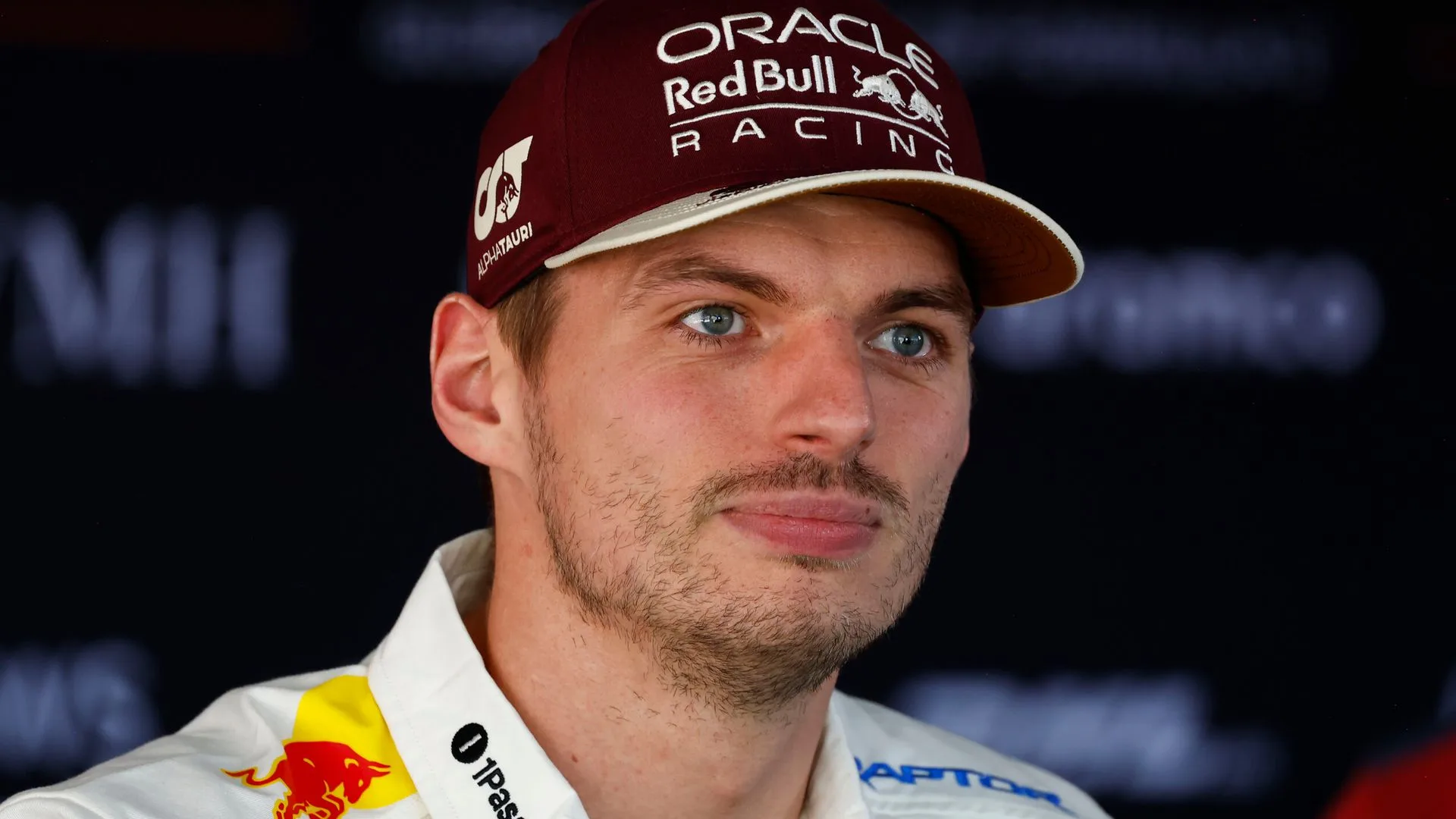
Max Verstappen has issued a scathing critique of the deteriorating track surface at Circuit of The Americas, describing the conditions as “unacceptable” ahead of this weekend’s United States Grand Prix. The four-time world champion expressed deep concern for his physical well-being, revealing that medical checks have shown significant issues with the lower section of his spine.
Verstappen arrives in Austin, Texas, having secured his first two victories of the season in consecutive races. However, the Red Bull driver was visibly passionate during media interactions on Thursday, highlighting the severe impact the bumpy tarmac has on drivers. He noted that the circuit, typically a fan favourite, has reached a state of disrepair that is difficult to ignore.
The Dutchman stated that the physical toll of the track is no longer a matter of jest, but a serious health risk. “I was joking about that in the last race but it’s not really a joke to be honest because we mentioned this already for years that it’s actually getting a bit out of control,” Verstappen explained. He emphasised that the bumps are causing cumulative damage that is becoming increasingly difficult to manage.
Verstappen detailed the findings from his recent medical assessments, which indicated that the “bottom end” of his spine “doesn’t look that great. He argued that continuing to drive on such surfaces without proper remediation would lead to further, potentially permanent, injury. “If we continue with finding this acceptable to drive on, then, you are going to suffer with that much more,” he warned.
The driver urged event organisers to move beyond superficial fixes and address the underlying structural problems with the track. He rejected the notion that the local soil conditions were an unavoidable excuse for the poor surface quality. “Of course, you can use the excuse that the soil is the problem, but then you should have known that you need to make sure that you reinforce it more,” he said.
Verstappen acknowledged his affection for the venue, calling it “one of the best layouts ever” and praising the city itself. Nevertheless, he maintained that the current state of the bumps is “out of control” and requires a comprehensive overhaul. “Over time, they’ve been grinding a little bit here and there, but it’s just putting a plaster on the big problem,” he added.
Reigning world champion Lando Norris echoed these concerns, revealing that he takes headache tablets before driving at certain tracks due to the intensity of the impacts. Norris noted that if COTA were a new circuit today, it would not meet the strict regulatory tolerances required for inclusion on the Formula 1 calendar. “It certainly doesn’t fit anywhere close to what those regulations are now, but it’s an old track, not a new track,” Norris stated.
Mercedes driver George Russell described the bumpy nature of the circuit as “just part of racing,” but raised broader concerns about the general standard of surfaces across the season. He pointed out that modern cars have very low ride heights, with only 10mm of clearance at the end of the straight, making every bump highly noticeable. “Any time you bump you really feel it,” Russell said, highlighting the loss of effective suspension provided by the new 18-inch tyres.
The United States Grand Prix forms the first leg of a triple-header in The Americas, with all sessions available to watch live. First practice is scheduled for Friday evening, setting the stage for a weekend where track conditions may play a pivotal role in race strategy. Drivers will need to find the right compromises to navigate the extreme bumps while maintaining competitive lap times.
The event underscores a growing debate within the sport regarding the balance between preserving historic venues and ensuring driver safety. As the grid prepares for the race, the focus remains on how teams will adapt their cars to the challenging surface. The coming days will reveal whether the drivers can mitigate the physical strain or if the track’s condition will dictate the outcome.