
A&E becomes 24‑hour “drop‑in” as waits normalise in North Wales
Betsi Cadwaladr board chief warns that 24‑hour A&E waits are now routine, citing ambulance queues, staffing gaps and a £43m deficit.
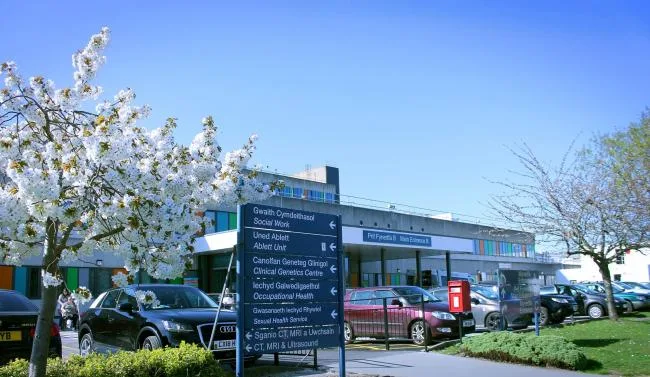
North Wales A&E departments are now being described as “drop‑in for everybody who wants to be seen”, with 24‑hour waits becoming the new normal, Betsi Cadwaladr University Health Board’s chairman warned at a council scrutiny meeting.
Dyfed Edwards told Anglesey councillors that expectations have shifted dramatically, saying “Regarding A&E, I think people’s experiences of care are different.” I do believe the expectation now is if somebody from Llangefni needed to go to A&E, they would expect to be there longer than two or three years ago”.
He added that “A&E has become a drop‑in for everybody who wants to be seen”.
Edwards recalled a recent case where a patient with a simple ankle injury was turned away, noting “I remember someone going to A&E having injured their ankle, they were told ‘you really don’t need to be in A&E, go to your GP first’”.
“Everyone seems to be sucked into A&E.” Until we change that and ensure people are aware of other options, I think 24 hours in A&E will be the norm.
It does vary though, there are pinch points, it’s worse at different times of the year, days of the week,” he said.
“Do you think 24‑hour waits for care in A&E is the norm now?” I have a load of cases where people have been sitting overnight in ambulances.
Patients are there for 24 hours instead of going in and being sent to wherever they need to go.
Former paramedic Paul Andrew, now Integrated Health Community Director of Operations (West) for the board, echoed the sentiment, stating “People have come to expect to be in A&E 24 hours, that is really sad.” We need to change that expectation and prevent it being normalised”.
He warned that “We do an awful lot of work that people perhaps don’t see, it is a working problem, but ED is the door that is always open”.
Andrew recounted two recent attendances that illustrate the mismatch between need and service, saying “I have anecdotal stories coming out of my ears.” I know of two this weekend.
Two patients turned up in A&E, one had itchy skin for three weeks…the second had a lump on his head for several months, it had gone a little bit red”.
“There’s something there about public expectation, something around education, there are pharmacy facilities open these days and many things in the community to prevent these things happening,” he added.
He described the sight of ambulances queuing outside hospital entrances as “disgusting”, noting “As an ex‑paramedic it’s disgusting to see ambulances sitting outside the front.” I see former colleagues sitting there and feel really uncomfortable”.
Despite the pressure, Andrew highlighted a modest improvement in handover times, stating “I would point out, our ambulance handover performance has increased significantly”.
The board is also grappling with a £43 million deficit, a figure that underpins the Welsh Government’s push for a “shift left” in health services. “The Welsh Government is pushing us towards an increase in community services, what we call a ‘shift left’ in health.”
It feels like the right thing to do but that’s a real challenge when you have a £43m deficit,” Andrew said.
Parking at Ysbyty Gwynedd emerged as another flashpoint. Cllr Morris vented frustration, suggesting “In terms of waiting for a strategy paper on parking sometimes you just need a simple answer; find a field and Tarmac over it.”
There are plenty of fields around Ysbyty Gwynedd”.
Edwards cautioned that “Creating more parking spaces isn’t always the answer.” If you open a new bypass there will be more traffic on the road…we have to look at it from a much wider perspective”.
Staffing shortages and board turnover were also raised. “Regarding staffing and senior leadership team, it does seem like we have taken a step back.”
Audit Wales said there was a stability within the health board, certainly in terms of board membership and independent members, now there are significant gaps we need to fill,” Edwards explained.
He noted that many senior staff “come to the health board, keen to work for a short time but also keen to move on to something else”, adding that “I’ve been surprised to see so many people working for the health service in some of the highest roles who work for a short period”.
Edwards concluded that the board’s challenges are compounded by public perception, saying “Some people feel, you know, that they are seeing the name of the health board in the headlines in the Daily Post or a story from the government on a daily basis.” They think ‘why should I stick around to deal with that’”.
The meeting underscored the urgency of reshaping community care pathways, improving public education and addressing systemic funding gaps before 24‑hour A&E waits become entrenched across North Wales.