
Powys to raise council tax on long‑term empty homes up to 300%
From April, Powys will charge up to 300 % council tax on homes empty for ten years, aiming to curb vacancy and ease the housing shortage.
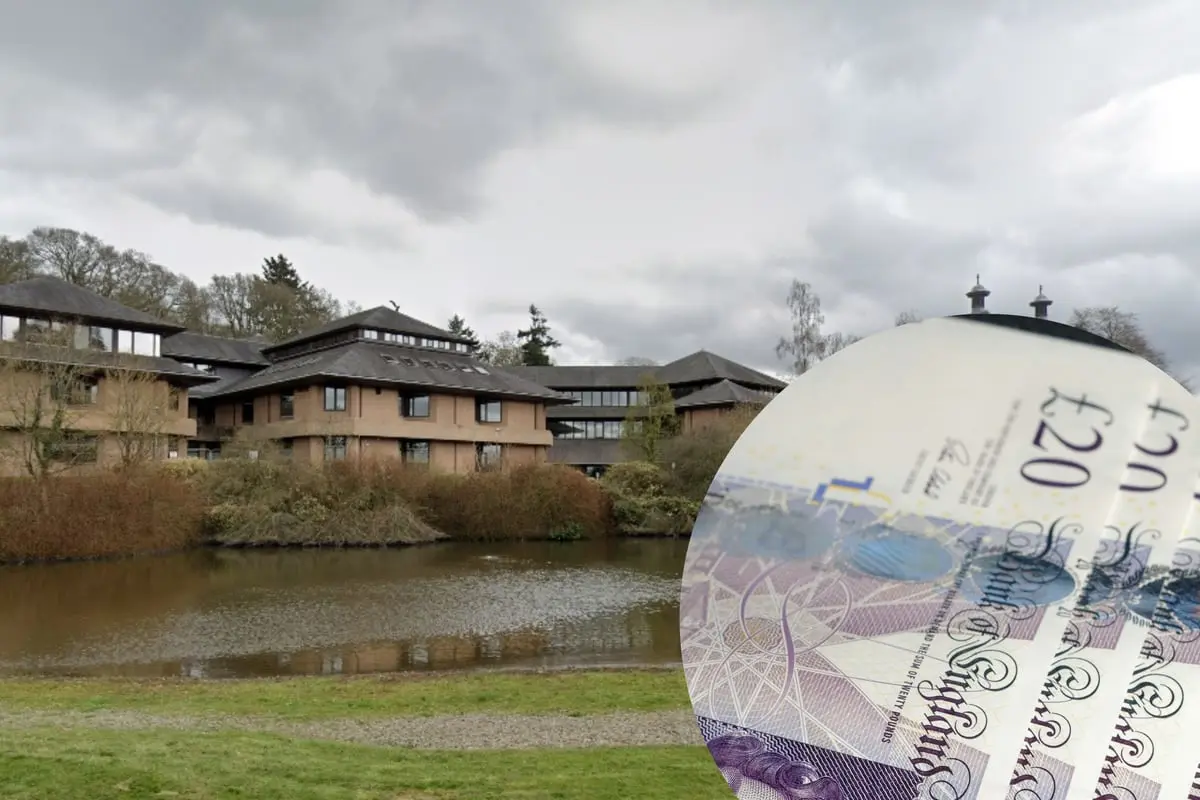
Powys County Council will lift council‑tax premiums on long‑term empty homes to a maximum of 300 per cent, a move approved at the council’s meeting on 8 October.
The new scale will apply from April next year and will see properties that have been continuously empty for between one and five years taxed at the current 100 per cent premium.
Those empty for five to ten years will face a 200 per cent premium, while homes left vacant for a decade or more will be charged at 300 per cent.
Powys currently has 897 long‑term empty properties, a drop from 1 060 eight years ago when the first premiums were introduced.
The Liberal Democrat and Labour cabinet backed the proposal last month and recommended it for full council approval.
Finance portfolio holder Cllr David Thomas said the reduction in empty homes “supports the theory that an incremental rise would see owners dispose of the properties and bring them back onto the market at a faster rate”.
He added that the policy “is working to reduce homelessness in the county, which has to be a positive thing”.
Deputy council leader Cllr Matthew Dorrance warned that “hundreds if not thousands” are waiting for accommodation while properties sit empty.
He argued the new rates are “fair, there is dispensation and relief built into the process, so it doesn’t become punitive and we don’t persecute people”.
“I don’t think it’s fair that people languish on waiting lists while there are properties that sit empty that could be providing safe homes for the people we serve,” he said.
The council’s proposal includes provisions for relief where owners can apply for exemptions on grounds such as renovation work or inheritance issues.
Local housing charities have welcomed the step, noting that vacant homes exacerbate the shortage of affordable housing across rural Wales.
Powys’ housing register shows a waiting list of over 1 200 households, many of whom are families with children forced to live in temporary B&Bs.
Council officials said the premium increase will generate additional revenue that can be redirected to support homelessness services and new affordable‑housing projects.
Critics of the policy argue that higher taxes may discourage investment in the county’s property market.
However, the council maintains that the measure targets properties that have remained empty for extended periods, rather than those undergoing refurbishment.
Owners of long‑term vacant homes will be required to submit evidence of continuous emptiness and may appeal decisions through the council’s established review process.
The council will monitor the impact of the new premiums and report back to the full assembly after the first twelve months of implementation.
Powys County Council hopes the stepped approach will accelerate the return of empty homes to the market and ease pressure on the county’s already strained housing stock.