
Council defends 770‑home plan on farmland
Monmouthshire council argues affordable housing need justifies 770 new homes on farmland, amid objections from inspectors and a major housebuilder.
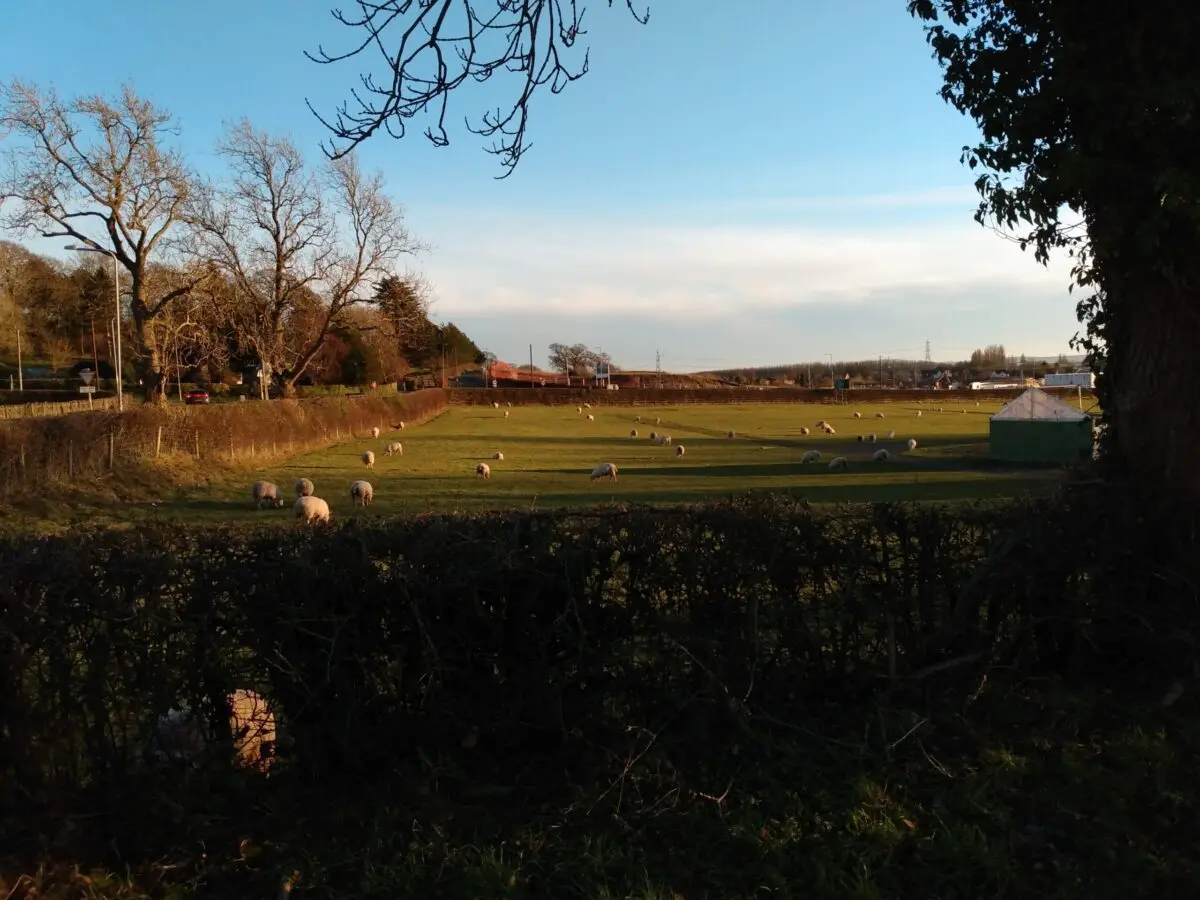
Monmouthshire County Council has defended a proposal to build up to 770 homes on farmland, arguing that the “overriding” need for affordable housing outweighs concerns about the loss of agricultural land.
The site, which includes the David Broome equestrian centre at Crick between Caldicot and Portskewett, is the largest of four strategic housing locations identified in the council’s local development plan.
During an online public examination hearing on 8 October, the council confirmed that a pre‑application consultation for 400 homes and a new primary school on council‑owned land at Bradbury Road has been launched.
Council director Craig O’Connor said the location was chosen for its proximity to Caldicot, the existing rail station and the lack of suitable brownfield or previously developed land in the area.
Independent inspector Julie de‑Courcey questioned the selection, noting that 89 per cent of the land is classed as Grade 2 “best and most versatile” agricultural land.
O’Connor replied that around 70 per cent of Monmouthshire’s farmland carries the same classification and that the council must satisfy three statutory tests, including the county’s “overriding” need for affordable homes.
He added that part of the David Broome site is already developed and that equestrian use differs from pure agriculture, prompting an appeal for brownfield sites to be considered.
“We don’t have that land and therefore need to look to greenfield and the most sustainable locations which are adjoining existing settlements,” O’Connor told the inspectors.
The council said Welsh Government guidance urges the majority of new housing to be located in the south of the county, near the M4 corridor.
The development plan is required to deliver 5,400 homes between 2018 and 2033, most of which have already been built or granted permission.
To meet the target, the council aims to provide 2,100 homes by 2033, with 50 per cent designated as affordable – a requirement O’Connor said is being applied for the first time in Wales.
Preparatory work with developers has already begun, giving the council confidence that the housing can be delivered.
“Housing will come on quickly, developers want to build in Monmouthshire and land prices are high,” O’Connor said.
He also stressed that the scheme is “affordable housing led”, adding that the homes do not need to be sold because “people are waiting for those houses as evidenced by the housing list”.
Joe Ayoubkhani, representing promoters of alternative sites, disputed the council’s position, arguing that the viability test shows affordable homes rely on legal agreements tied to market‑sale units and that services and infrastructure would be shared.
Ayoubkhani also criticised the council’s search criteria as “quite narrowly focused on Caldicot”.
Conservative councillor for Portskewett, Lisa Dymock, highlighted that national housebuilder Taylor Wimpey has objected, questioning whether the site can deliver the required homes.
“It concerns me a major housebuilder has questioned the site can deliver and the council may have underestimated how long it would take a strategic site of this size to move from planning to delivery and may be overestimating how quickly homes can be built and occupied,” she said.
Deputy leader Paul Griffiths, the cabinet member responsible for the plan, argued that looking at alternative sites would not help meet the “challenge” of delivering the housing by 2033.
Labour councillor added, “I hear somehow that challenge is lessened if other sites are made available.” I would contest the proposition.
Introducing further sites at this stage, they would not be front‑loaded and would be contested by the local population in those areas and risk delaying the approval of the plan.”
In addition to the Crick site, the plan earmarks strategic locations at Chepstow for 146 homes, Monmouth for 270 homes and the edge of Abergavenny for up to 500 homes.
Inspectors Julie de‑Courcey and Claire MacFarlane are expected to deliver their report on the plan’s soundness by the end of March, with the possibility of further hearings to consider alternative sites if required.