Oliver Glasner Explains Post-Brentford Outburst And Push For Change At Nottingham Forest
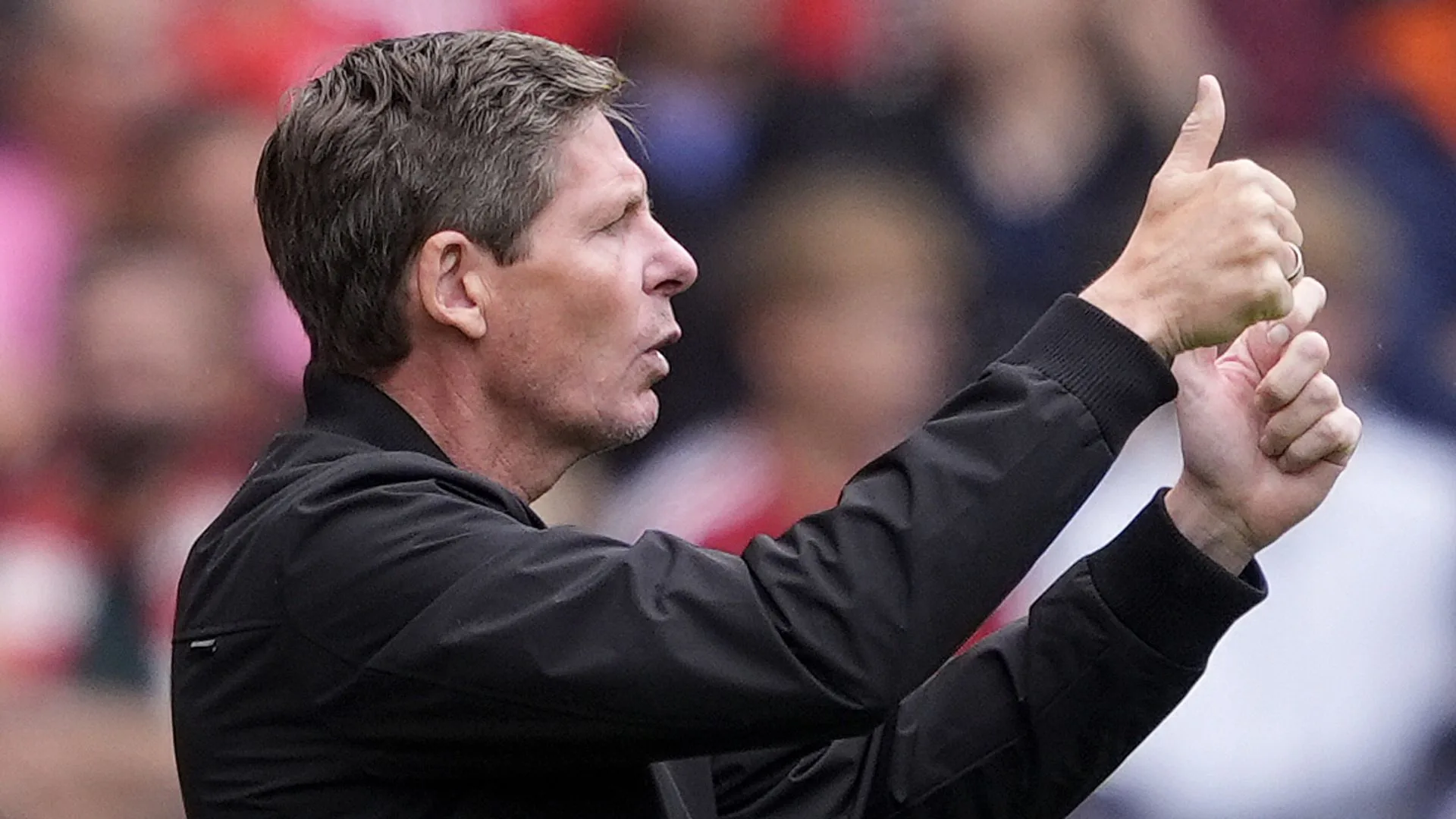

Nottingham Forest head coach Oliver Glasner has clarified that his explosive post-match outburst following the defeat at Brentford was intended as a positive catalyst for change. The Austrian manager insists his reaction was designed to shake up the squad after the club lost four of their last five Premier League fixtures. Forest currently sit 19th in the table, having secured just one victory since Glasner’s arrival in the summer.
The coach delivered two intense rants to Sky Sports and during his post-match press conference at the Gtech Community Stadium. These remarks left the club deep in the relegation zone and sparked significant debate about the team’s current trajectory. Glasner now seeks to explain the reasoning behind his unfiltered comments to the media and his players.
Speaking at a press conference ahead of Saturday’s clash with Manchester City, Glasner stated: “We have to accept it’s not good enough. If we lose four of the last five games, it’s not good enough. And that’s why for me, it’s now time that we change things, that I change things, and that’s what I will do.
He admitted that he may have made too many compromises in his approach, emphasising the need for a clear path forward. Glasner told the players exactly what is required of them, adding: “I will tell [the players] what we want to do, what we have to do, and if the players buy in, I think we can have a turnaround, and if not, the sixth manager [since the start of last season] will come in.
When asked about the reaction to his weekend outburst, the head coach noted that the team had a productive training week. He described this response as the direct consequence of his comments, stating: “A good training week – this was the consequence. This is what I hope, what we all expected from each other to try hard, to get better results at the end.
Glasner explained that his reaction stems from his personal character and belief in direct communication. He said: “This is just how I am. If I see things I don’t like, I will let you know and if I see things I really like, I will let you know as well.
If I feel I need to shake things up, then I will. If I feel I need to keep quiet, then I will.
The manager argued that repeating the same narrative after consecutive defeats was no longer an option. He reflected: “With the four or five games we lost, I can’t continue telling the same story – ‘good start, well played, missed chances, making mistakes, losing. OK, on to next week’.
He felt compelled to alter his messaging to ensure the team did not stagnate in its current form. Glasner added: “That’s also why I needed to change what I’m telling and to be aware of things because otherwise maybe we will always keep going in the same way, and we’ll think ‘oh, why don’t things change?’ and that was the reason.
Despite the public nature of his comments, Glasner insisted he did not target any specific individual. He clarified: “I didn’t attack somebody directly, but it’s all about what we all share. We share that we want to be successful, that we want to win games and that we are doing better than we did.
The head coach believes the internal reaction was far calmer than the external media coverage suggested. He remarked: “That’s why there was not a problem. It was much louder outside than I felt it was inside.
Glasner views open communication as essential for any professional relationship to function effectively. He stated: “This is just how I see a relationship has to be… if you don’t say something, the other person will never know.
He argued that silence prevents necessary improvement and places the blame on the wrong parties. The coach explained: “Then I can’t blame somebody because if they don’t know, how can things change? We are now in a society where maybe criticism or the way I talked was in a negative way, but the intention is positive.
The ultimate goal of his direct approach is to improve performance and secure better results for the club. Glasner concluded: “The intention is to change something and get better results, then we all have a better life.
Addressing the team’s on-pitch performance, the manager noted that while not disastrous, specific elements are missing. He said: “It’s not that our performances are disastrous, I just feel that some bits are missing.
Glasner has already identified areas for improvement with the squad, focusing on recurring errors. He observed: “We have shown the players what we can improve, but to get these final bits… if mistakes repeatedly happen, it’s a pattern.
He suggested that these patterns may stem from issues beyond pure tactics, such as mental focus. The coach mused: “If it’s not a tactical bit, it’s something different – is it focus, is it concentration?
Glasner believes that off-pitch discipline directly impacts on-pitch performance and consistency. He added: “In my experience, if you’re not focused and concentrated outside the pitch, that can be repeated on it as well. If you are maybe a little bit sloppy in taking your chances in training, then maybe you are a bit sloppy during the game.
He emphasised that this is the core message he is currently delivering to the squad. The head coach stated: “That’s what I’m talking about. Saturday, we have the next chance.
Playing Man City will be a huge challenge, but I’m still very positive because I see how the players work in training, I see our performance.
Despite the difficult fixture, Glasner remains optimistic about the team’s potential to turn things around. He noted: “We’re not far away from getting what we all want and that’s what we will try on Saturday.
When pressed on the specific changes implemented during the week, Glasner declined to provide detailed specifics. He quipped: “It’s like Las Vegas – what happens in Las Vegas stays in Las Vegas.
However, he did offer a slight elaboration on his increased communication with the players. The manager said: “Maybe I’m doing a bit more talking to the players in general and talking to them individually… but it’s always in a positive way.
Glasner stressed that his methods are never intended as punishment for individual players. He clarified: “This is what I want everyone to understand. I never do anything to punish somebody, why should I?
But it’s either to shake things up or to tell somebody what we need to improve. It’s clear for everyone that we need to improve, especially our results. That was why I reacted in that way.
Asked if he was surprised by the need for these difficult conversations, the head coach remained unfazed. He replied: “I’m not surprised… One of the biggest goals I have is to create a culture and an environment where you want to be, but where you also want to work hard.
Glasner aims to strike a balance between a supportive environment and rigorous professional standards. He explained: “We are not a spa and wellness hotel, but we are also not the military, and we need to find the in between. I want to get every player having this intrinsic motivation to his game…
I would like to be challenged by the players that they can ask: what can I improve?
The coach believes that self-driven improvement from players is far more valuable than top-down instructions. He concluded: “Because everything that comes from the players, it’s 100 times more worth it than when it comes from the manager or from the staff. Sometimes it seems to be that it always has to come from the coaching side.