
Cardiff Museum Warns Of £46m Repair Bill As Decay Accelerates
The chief executive reveals the urgent structural needs of the historic building, highlighting the critical funding gap for heritage preservation.
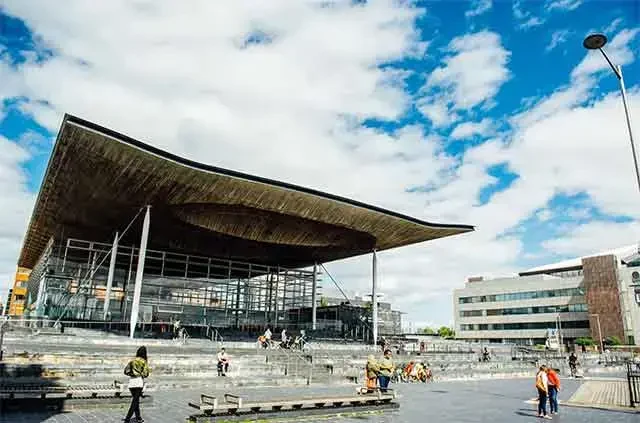
The National Museum Wales in Cardiff faces a critical financial challenge, with its chief executive confirming that £46 million is required for urgent structural repairs. This substantial sum is necessary to address significant deterioration across the historic building, which serves as a cornerstone of Welsh cultural heritage. The announcement highlights the growing pressure on public institutions to maintain ageing infrastructure.
Dr. Gareth Jones, the organisation’s chief executive, stated that the building’s condition has reached a point where immediate action is unavoidable. He emphasised that delaying further investment would risk long-term damage to the structure and its collections.
The funds are earmarked specifically for essential maintenance rather than new exhibitions or expansions.
Inspections have revealed widespread issues with the museum’s roof, facade, and internal systems. These defects have been accumulating over several years, exacerbated by changing weather patterns and increased footfall. The current state of repair is described as precarious, requiring a comprehensive overhaul to ensure safety and preservation.
The £46 million figure represents a multi-year investment plan designed to stabilise the building. It includes critical works on the main entrance, the Great Hall, and various exhibition spaces. Without this intervention, parts of the museum may need to be closed to the public for extended periods, impacting visitor experience and revenue.
Dr. Jones noted that the museum remains one of the most visited cultural sites in the country. However, the physical fabric of the building is struggling to cope with the demands of modern usage.
The urgency of the situation has prompted calls for accelerated funding from both public and private sectors.
The chief executive has appealed to the Welsh Government and major donors to prioritise this project. He argued that the museum’s role in promoting Welsh identity and history makes it a vital national asset. Securing the full amount of funding is seen as essential to preventing irreversible harm to the structure.
Stakeholders in the cultural sector have expressed concern over the scale of the repair bill. Many view the situation as a symptom of broader underinvestment in heritage sites across Wales. The announcement has sparked debate about how best to fund such large-scale conservation efforts in the current economic climate.
Amgueddfa Cymru, the parent organisation, is currently exploring various funding streams to bridge the gap. This includes grants, charitable donations, and potential partnerships with private entities. The goal is to secure the necessary capital without compromising the museum’s independence or mission.
While repairs are planned, the museum will continue to operate, albeit with some limitations. Certain areas may be temporarily inaccessible to allow for safe working conditions. Visitors are advised to check for updates before planning their trips to avoid disappointment.
The collections housed within the building are of immense historical and scientific value. Protecting these artefacts from environmental damage is a primary driver for the repair programme. Humidity control and structural integrity are key components of the proposed works, ensuring the long-term survival of the exhibits.
Dr. Jones stressed that the investment is not just about bricks and mortar, but about safeguarding the stories of Wales. The museum serves as a vital educational resource for schools and a tourist attraction for visitors from around the world.
Maintaining its high standards is crucial for its continued success and relevance.
The next phase of the project will involve detailed engineering assessments and contractor selection. A timeline for the works has been drafted, with the aim of minimising disruption to daily operations. The organisation is committed to transparency and will keep the public informed as the project progresses.
This development underscores the complex challenges facing cultural institutions in the UK. Balancing heritage preservation with modern operational needs requires significant financial commitment. The outcome of this funding appeal will be closely watched by heritage advocates and policymakers alike.

Eli Nathan
Eli Nathan covers Wales news, politics, community stories, and sports for The National Wales (thenational.wales).
Follow real-time news and explainers on X at @elinathan1122. Reports are verified from official public announcements, emergency authorities, the Met Office, NHS Wales, and established news outlets across Wales.
Corrections and tips: if you spot an error in one of our reports, or have a story you think we should cover, contact the desk at [email protected] or via the contact page.