
What is the longest place name in Wales?
“We get asked that about 30 times a day,” the lady at the local tourist information office told a visitor, before taking a deep breath to recite the…
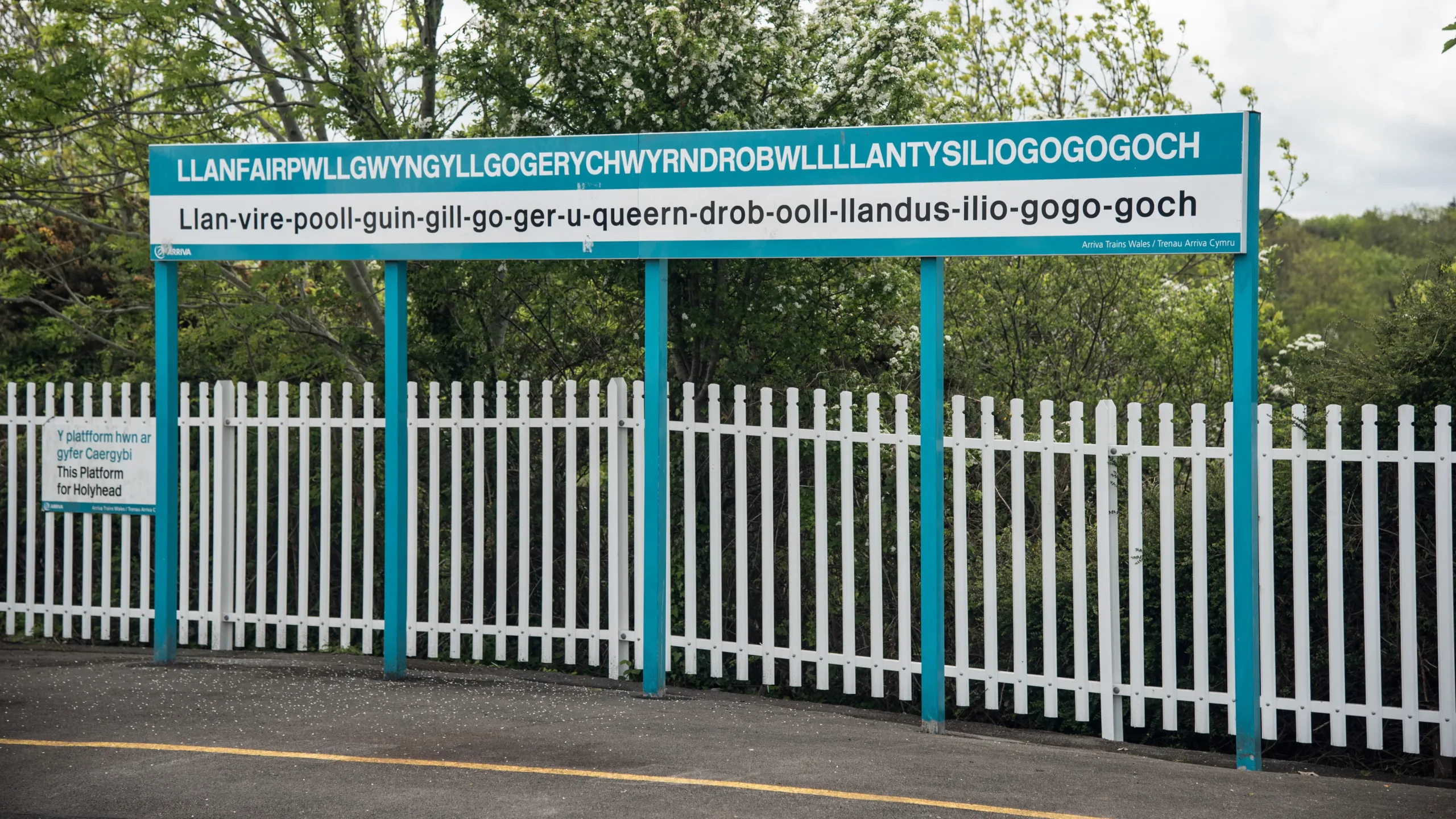
The village of Llanfairpwllgwyngyllgogerychwyrndrobwllllantysiliogogogoch, often shortened to Llanfair PG on maps, has become a magnet for tourists eager to tackle Europe’s longest place‑name.
“We get asked that about 30 times a day,” the lady at the local tourist information office told a visitor, before taking a deep breath to recite the full 58‑letter title.
The name began life as the far simpler Llanfairpwllgwyngyll, a reference to the parish’s patron saint and a local stream.
In the 1880s a local tailor, seeking to boost visitor numbers, appended a string of descriptive Welsh words, creating the record‑breaking version that includes four consecutive L’s.
She explained the meaning, translating it as “St.” Mary’s Church in the hollow of white hazel near a rapid whirlpool and the Church of St Tysilio near the red cave.”
Most visitors leave with a souvenir T‑shirt, a photograph of the sign on the train‑station platform and the satisfaction of having heard the name spoken correctly.
Next door to the station, the James Pringle Weavers shop offers a passport‑stamping service, allowing tourists to mark their journey with the village’s legendary title.
Situated just over the Menai Bridge that links the mainland to Anglesey, the hamlet provides a scenic detour between the historic castles of Caernarfon and Beaumaris.
Despite its fame, Llanfair PG is not the longest place‑name worldwide; Thailand’s Krungthepmahanakornamornratanakosinmahintarayutthayamahadilokphopnopparatrajathaniburiromudomrajaniwesmahasatharnamornphimarnavatarnsathitsakkattiyavisanukamprasit stretches to 163 letters.
The Welsh language, often perceived as daunting, is phonetic; once each letter’s sound is mastered, the lengthy name becomes a series of familiar syllables, despite its heavy use of L and W.
Veteran tour guide Dave Fox notes that the name’s novelty adds a light‑hearted element to otherwise traditional Welsh itineraries, encouraging travellers to linger and explore.
With its quirky claim to fame, the village continues to draw curious visitors, proving that a single, exceptionally long name can put a small community firmly on the map.