
Powys health board receives £3.4m boost to cut English hospital waiting lists
The funding, approved at a board meeting on 30 September, will be spent on contracts with the Agnes Jones Roger Hunt Orthopaedic Hospital in Gobowen and the Wye Valley Trust in…
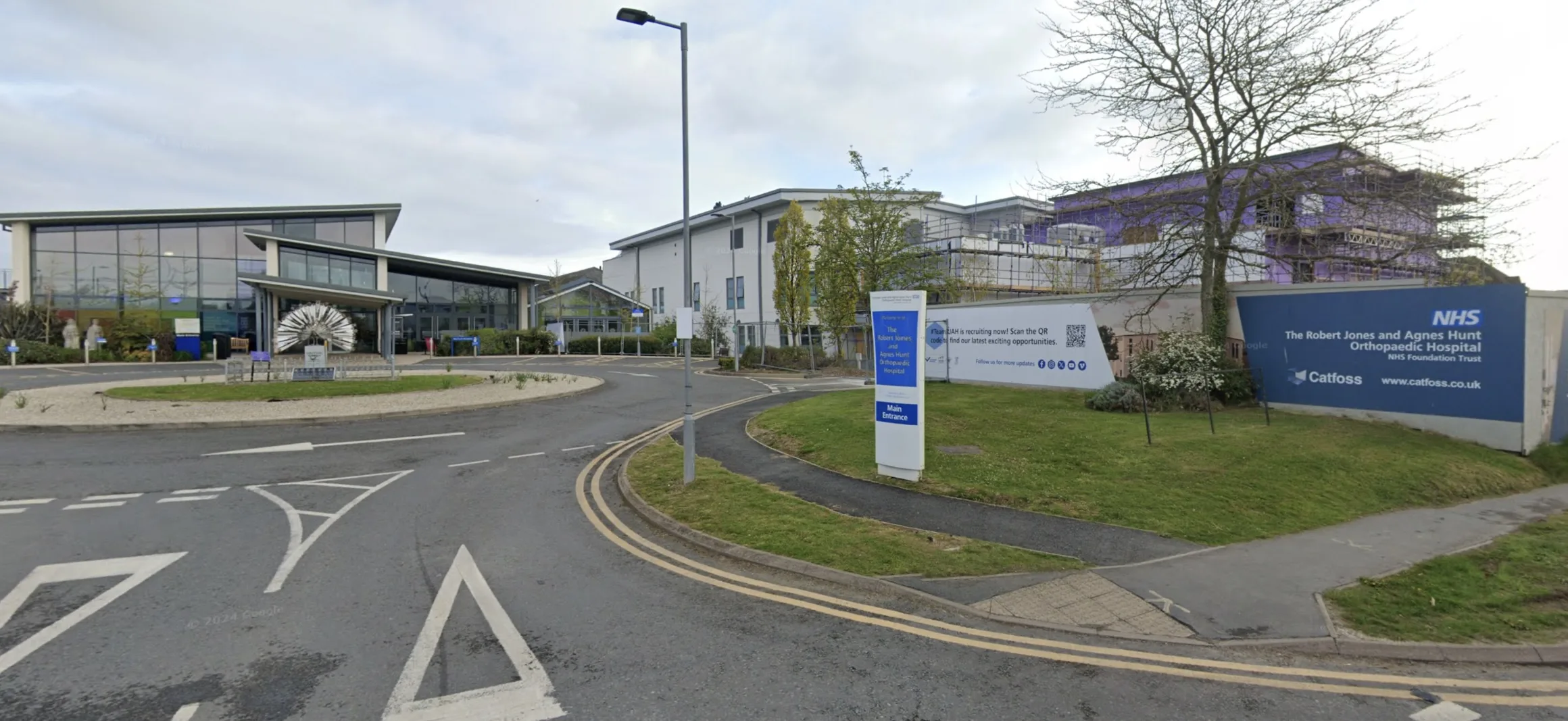
Powys Teaching Health Board has secured a £3.4 million injection from the Welsh Government to accelerate the removal of patients from waiting lists in English hospitals.
The funding, approved at a board meeting on 30 September, will be spent on contracts with the Agnes Jones Roger Hunt Orthopaedic Hospital in Gobowen and the Wye Valley Trust in Hereford.
Acting director of finance Hywel Pullen told board members the health board was £20.376 million overspent at the end of August, a shortfall of £1.77 million against its budget.
He explained that total costs for the 2026/27 financial year had risen to £219.615 million, while income stood at £199.239 million, against a £468 million overall budget.
The board’s annual plan targets £22.889 million in savings, aiming to finish the year with a £44.652 million deficit.
“This is an improvement from the position at the end of July where we moved by £500,000 back towards our profile,” Pullen said, noting a reduction in patients placed outside Powys for acute mental health care.
He added, “We also have good news towards the end of the month; we have been successful in bidding to the Welsh Government for additional monies to use to purchase healthcare with our English providers.”
The £3.4 million will be used to pay English providers to treat Powys patients more quickly than current arrangements allow, Pullen said.
Independent board member Steve Elliott welcomed the news but warned the board remained nearly £1.8 million adrift from its financial plan.
“It is promising to hear a drop in the operational deficit, but we are still nearly £1.8 million adrift from our plan, which is not a position we want to be in,” Elliott said.
He stressed the need for progress toward long‑term financial sustainability and asked what actions were being taken to address the shortfall.
Pullen replied that the key actions lay in delivering a “full programme of £23 million” of savings schemes, many of which are weighted to the latter half of the year.
“Particularly from October onwards, so to achieve our plan our focus will be on the delivery of those savings,” he explained.
He said the balance sheet should begin to show underspends as the savings flow through, adding, “I’m pleased to say that £19 million worth of savings were viewed as recurrent.”
Elliott responded, “It’s good to hear of the progress being made on recurrent savings.”
The new contracts with the English providers are expected to reduce waiting times for orthopaedic procedures and other treatments that have been delayed by the board’s financial pressures.
Local residents have expressed concern over recent cuts to community hospital services, with calls for better access to specialist care.
Health board officials hope the additional funding will demonstrate a tangible improvement for patients who have been waiting for months for treatment.
While the £3.4 million boost does not erase the underlying deficit, it provides a short‑term lever to ease pressure on patients and give the board breathing space to implement its wider savings programme.
Board members will continue to monitor the impact of the new contracts and the progress of the £23 million savings plan as the financial year draws to a close.