
Rare Bog‑Grass Moth Recorded First Time in North Wales
Conservation teams capture 19 bog‑grass moths at Cors Geirch, marking the species’ first confirmed sighting in north Wales and highlighting the value of fen habitat management.
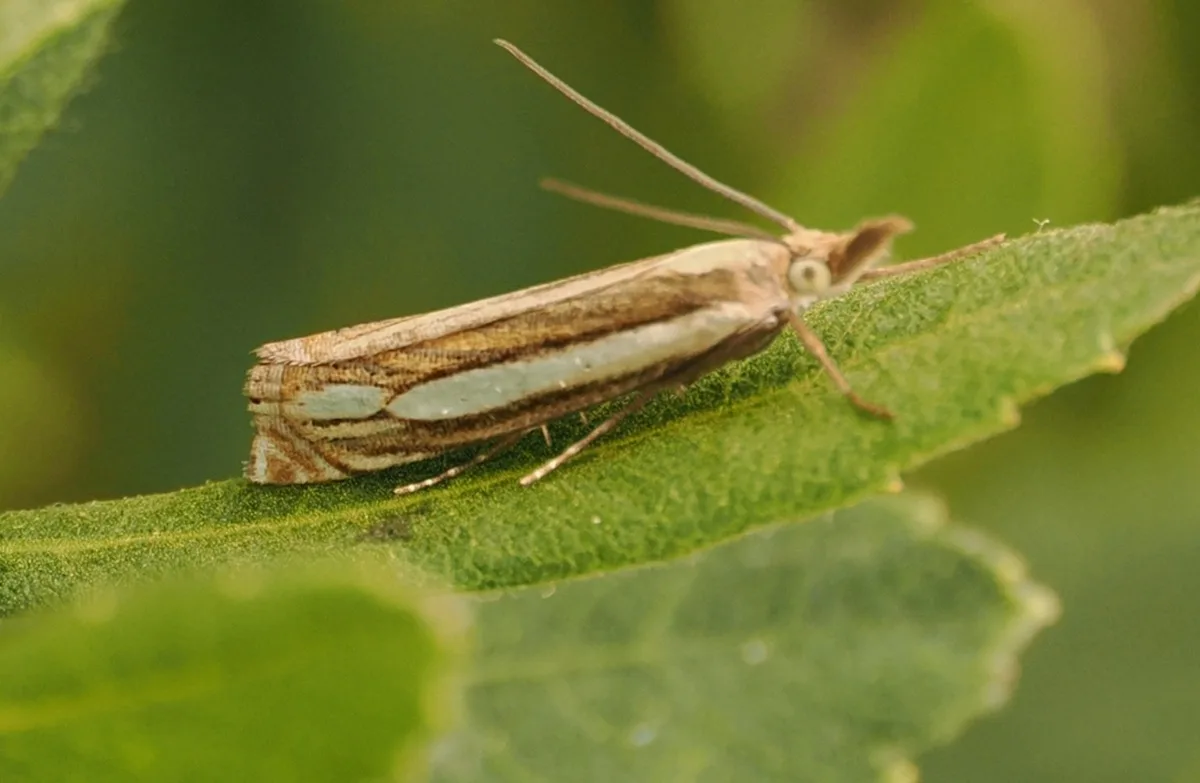
A rare bog‑grass moth, Crambus silvella, has been recorded for the first time in north Wales after 19 individuals were captured in a single night’s survey at Cors Geirch National Nature Reserve on the Llŷn peninsula.
The nocturnal survey, organised by the Natur am Byth Llŷn and Ynys Môn project, brought together conservation staff, local experts and enthusiastic volunteers to trap moths across three sites within the reserve.
In total the traps yielded 446 moths representing 91 species, underscoring the rich diversity of the fen’s specialist invertebrate community.
“The beauty of trapping moths is you just never know what’s going to turn up!” But finding the Bog Grass Moth, an incredibly scarce moth, was a special surprise.
Local moth specialists Steve Palin and Charles Aron identified the specimens, confirming the species’ presence far north of its previously known range.
The find adds a new dimension to the reserve’s already notable invertebrate roster, which includes the six‑spotted cranefly and the black night‑runner ground beetle, both regarded as rare in the UK.
Cors Geirch’s wet, calcium‑rich fen provides the sedge‑laden feeding grounds required by the moth’s larvae, a habitat that also supports the other uncommon insects recorded.
Conservation work at the site has involved Natural Resources Wales staff, contractors and volunteers who have been opening up delicate flushes to maintain the water‑logged conditions essential for these species.
“Along with Natural Resources Wales staff, local contractors and volunteers, Natur am Byth has been opening up the delicate, wet, calcium‑rich flushes that are home to these rare invertebrate species.” While many fens suffered over the hot, dry summer, not only did we find healthy numbers of the Black Night‑runner and Six‑spotted Cranefly at Cors Geirch this year, but we also discovered this wonderful and rare species of moth.
At least 80 per cent of UK peatlands have been lost or damaged, meaning rare species that depend on specific habitats like this struggle to survive.
Project manager Clare Sampson highlighted that peatland loss – estimated at around 80 per cent across the UK – threatens the survival of species that rely on the unique conditions of fens and bogs.
She added that continued stewardship, backed by a partnership of Natural Resources Wales and nine environmental charities, aims to safeguard the habitat and encourage further scientific recording.