
Wales raises minimum alcohol price to 65p, aims to save lives
The new 65p floor price, up 30%, is expected to prevent 900 deaths and cut harmful drinking by 5,000 over two decades, despite Conservative criticism.
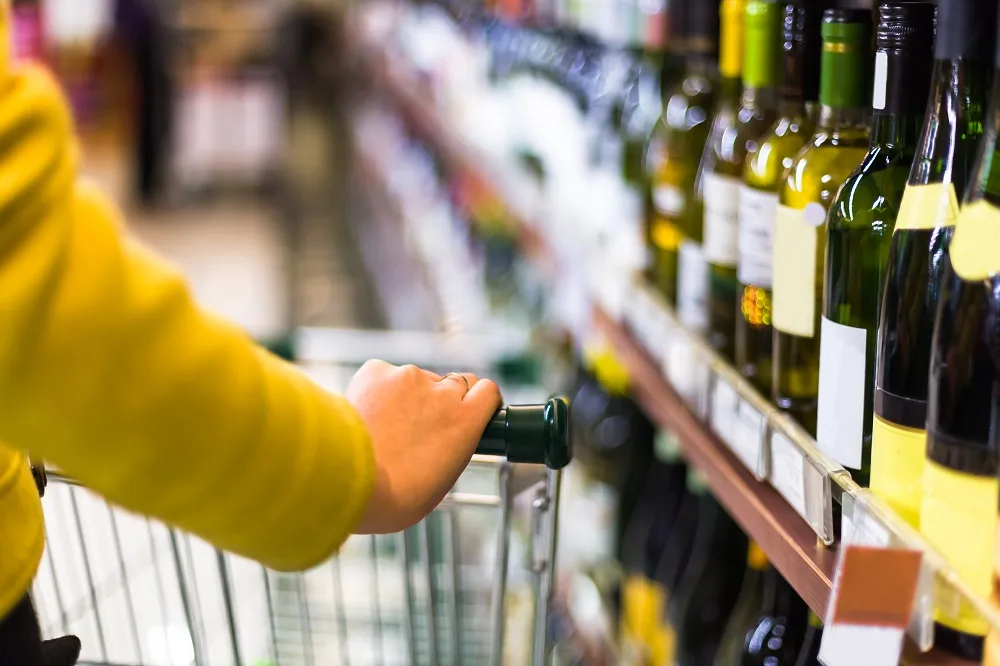
The Welsh Government has lifted the minimum unit price for alcohol from 50p to 65p, a 30 percent rise that takes effect today.
The new floor price aligns Wales with Scotland and sets the cheapest legal cost for strong drinks at a level officials say will curb alcohol‑related harm.
Under the revised rule a 70 cl bottle of 40 % spirit must now cost at least £18.20, up from £14, while a 750 ml bottle of 12 % wine cannot be sold for less than £5.85, compared with £4.50 previously.
Products already priced above the new minimum are unaffected, meaning the change will not automatically raise the cost of every pint or glass on the high street.
The policy, first introduced in March 2020, bases the minimum price on the amount of pure alcohol in a drink, targeting cheap, high‑strength products that drive hospital admissions and premature deaths.
Independent research commissioned by the Welsh Government estimates the uplift could prevent more than 900 alcohol‑related deaths over the next 20 years.
The same analysis suggests nearly 5,000 fewer people will be drinking at harmful levels during that period.
Inflation had eroded the real value of the original 50p floor to the equivalent of 39p in 2020 prices, prompting ministers to act before the measure lost its effectiveness.
Deputy Minister for Public and Preventative Health Nerys Evans said the adjustment was essential to keep the policy “doing its job”.
“Every one of the hundreds of lives this change could save is someone’s parent, partner or child.”
“Evidence shows that the introduction of the minimum unit price for alcohol has made an important contribution in tackling the health risks associated with excessive alcohol consumption.”
Alcohol Change UK welcomed the move, with its Wales director Andrew Misell highlighting the impact on cheap super‑strength cider.
“Minimum unit pricing targets the strongest, cheapest drinks, that often cause the greatest harm.” This new 65p minimum unit price will keep big bottles of super‑strength cider off the shelves, and also make it more difficult for supermarkets to offer bulk discounts, where alcoholic drinks get cheaper the more you buy.
The Welsh Conservatives opposed the increase when it was approved in February, arguing that a blanket floor price penalises moderate drinkers.
Instead, the party called for targeted funding for alcohol rehabilitation services, saying resources should focus on treatment rather than pricing.
In response, the government has highlighted its investment of more than £68 million in support for people affected by alcohol and drug use, including over £41 million directly allocated to local services across Wales.
Trading Standards and licensed retailers have received updated guidance ahead of the change, outlining the new compliance requirements.
Businesses that sell alcohol below the 65p floor risk fines, and the Welsh Government says enforcement will be robust to protect public health.
Public health experts note that the price rise is likely to have the greatest effect on cheap, high‑strength products such as super‑strength cider and inexpensive spirits, which have been linked to binge drinking and acute health crises.
Early evidence from Scotland’s similar policy shows a reduction in alcohol‑related hospital admissions, a trend Welsh officials hope to replicate.
Critics, however, warn that price increases may push some drinkers towards illicit or unregulated sources, a risk the government says it will monitor closely.
Local authorities are also preparing to bolster support services, with additional funding earmarked for outreach programmes aimed at vulnerable communities.
Health charities have praised the move as a decisive step towards tackling Wales’s long‑standing alcohol‑related health challenges.
The new minimum unit price will be enforced from midnight tonight, marking a significant shift in the nation’s approach to alcohol policy.