
Lewis Hamilton Breaks Down First Ferrari Pole Lap With Detailed Technical Analysis
The seven-time world champion provides an exclusive technical breakdown of his qualifying performance, highlighting key setup adjustments and strategic insights.
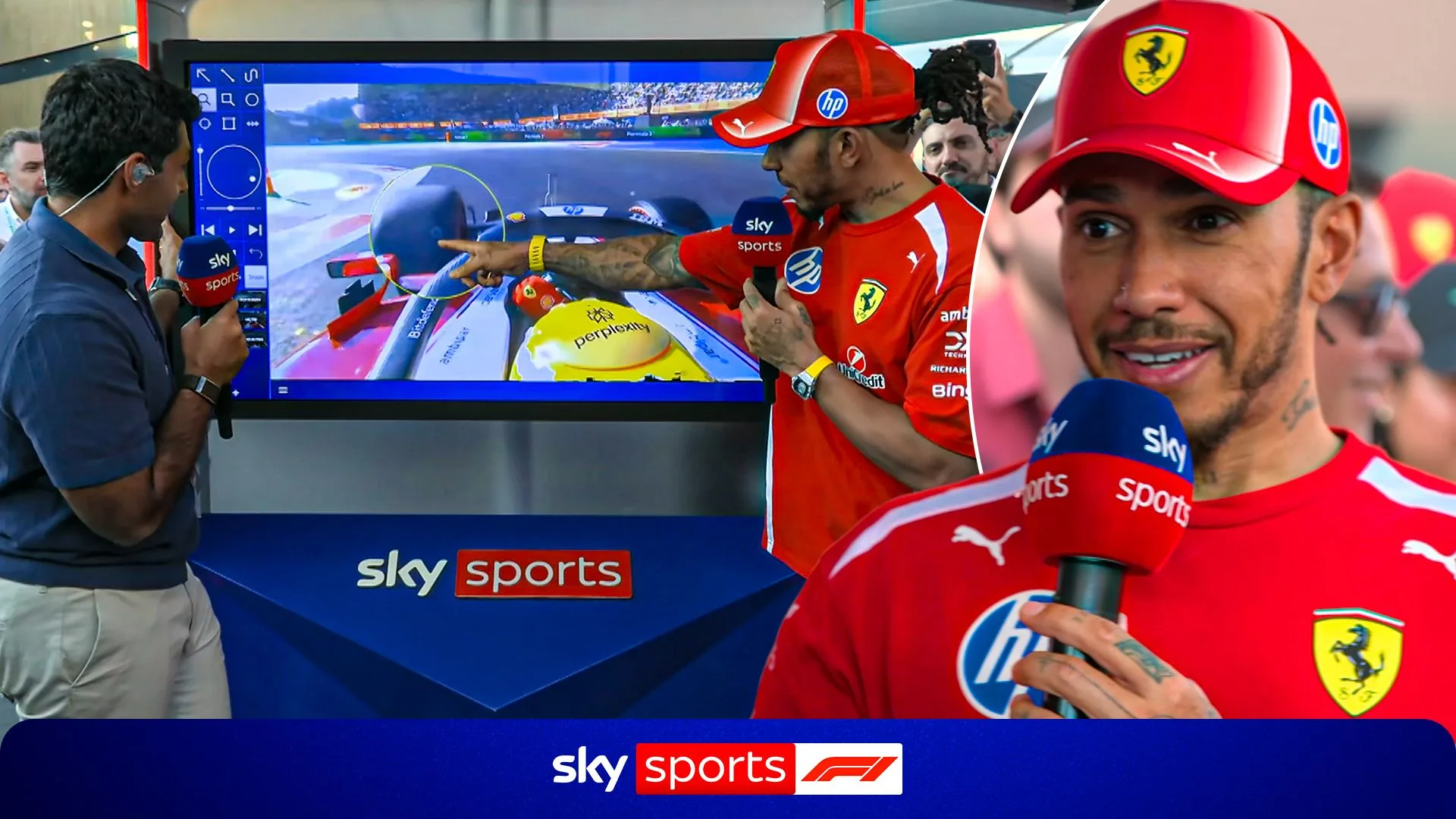
Lewis Hamilton has provided a detailed technical breakdown of his first pole position lap for Ferrari, offering fans an exclusive insight into the strategic nuances that defined his qualifying performance. The seven-time world champion utilised the team’s SkyPad platform to dissect the specific sectors and braking points that secured the front row. This analysis highlights the meticulous preparation involved in adapting to a new car and team dynamic.
Hamilton focused heavily on the precision required in the high-speed corners, noting the critical importance of maintaining momentum through the sequence. He explained how minor adjustments to the braking points allowed him to carry more speed into the following turns. The former Mercedes driver emphasised that consistency across all three sectors was the key to unlocking the car’s full potential.
The analysis revealed that the final sector was particularly decisive, where Hamilton managed to close the gap to his rivals significantly. He described the feeling of the car under heavy braking as “very stable”, a crucial factor in his confidence during the final push. This stability allowed him to take slightly more risks in the exit of the hairpins without compromising the overall balance.
The former Mercedes driver acknowledged the learning curve associated with switching to the Ferrari machinery after a long tenure with his previous team. He stated that understanding the specific characteristics of the SF-24 required a different approach to setup and driving style. Hamilton noted that the car’s behaviour in the medium-speed sections was a particular area of focus for the engineering team.
He mentioned that the feedback loop between the driver and the engineers had been instrumental in refining the car’s performance. “We have been working very hard on the balance,” Hamilton said, highlighting the collaborative effort behind the scenes. This dedication to detail ensured that the car felt predictable and responsive during the high-pressure qualifying session.
The pole position not only guarantees a strong start but also offers strategic flexibility for the race weekend. Hamilton discussed the tyre management considerations that would be vital for maintaining his position on the grid. He indicated that the team would monitor the degradation rates closely to determine the optimal pit stop strategy.
The analysis also touched upon the aerodynamic package, which has been a subject of intense development for the Scuderia. Hamilton praised the team’s ability to implement changes quickly and effectively, citing the recent upgrades as a significant boost in performance. This technical edge is expected to play a crucial role in the upcoming race, where track position is paramount.
Team principal Fred Vasseur expressed his satisfaction with the driver’s performance, praising his professionalism and dedication to the team’s goals. “Lewis is an incredible asset to us,” Vasseur stated, underscoring the value of his experience and skill. The team remains focused on converting this qualifying success into a strong race result.
Looking ahead, the engineering team will continue to fine-tune the car based on the data collected during qualifying. Hamilton’s detailed analysis provides a valuable roadmap for further improvements in the coming sessions. The Scuderia aims to build on this momentum, targeting a competitive performance in the race itself.
The technical insights shared by Hamilton offer a rare glimpse into the complex world of Formula 1 engineering and driver feedback. His ability to articulate the nuances of the car’s performance demonstrates his deep understanding of the sport. This level of detail is essential for the team to remain at the forefront of the competition.
As the race approaches, all eyes will be on how Hamilton and Ferrari translate their qualifying dominance into race pace. The strategic decisions made in the coming hours will be critical in determining the outcome. The team’s focus remains unwavering, with every detail scrutinised to ensure maximum performance on race day.

Eli Nathan
Eli Nathan covers Wales news, politics, community stories, and sports for The National Wales (thenational.wales).
Follow real-time news and explainers on X at @elinathan1122. Reports are verified from official public announcements, emergency authorities, the Met Office, NHS Wales, and established news outlets across Wales.
Corrections and tips: if you spot an error in one of our reports, or have a story you think we should cover, contact the desk at [email protected] or via the contact page.