
Ofcom demands BBC explain combined impact of £500m cuts as Wales faces £9m savings and 58 job losses
Ofcom has demanded the BBC explain the combined impact of its £500m cost-cutting programme, as BBC Cymru Wales prepares for £9m savings and 58 job losses.
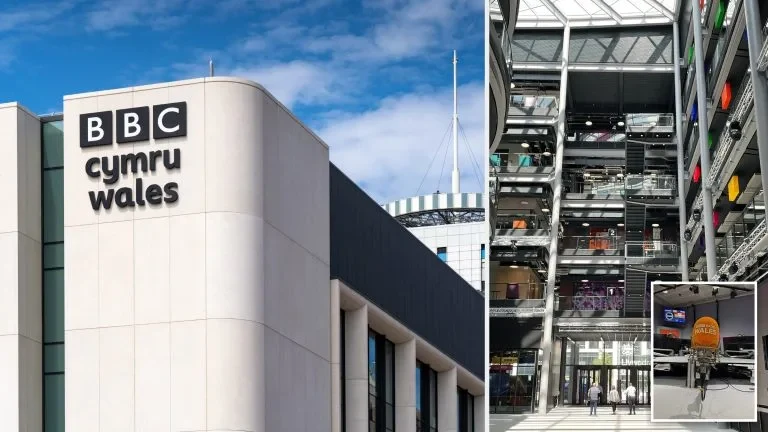
Broadcasting regulator Ofcom has demanded a comprehensive explanation from the BBC regarding the combined impact of its £500 million cost-cutting programme. In a letter dated Monday (November 2), group director Cristina Nicolotti-Squires warned that the corporation had failed to provide a clear picture of how the reductions would affect services and audiences across the UK.
The intervention highlights significant concerns for BBC Cymru Wales, which is preparing to make approximately £9 million in savings during 2027–28. This restructuring will result in the removal of approximately 45 full-time-equivalent positions, affecting 58 individual roles. Around 20 posts are expected to disappear from the newsroom, with most reductions achieved through voluntary redundancy but two roles facing compulsory redundancy.
Substantial changes are also planned for Welsh-language broadcasting, with the daily lunchtime programme Dros Ginio due to end in 2027. Saturday’s Dros Frecwast will be replaced by the Gwleidydda political podcast, while the long-running football discussion programme Ar y Marc will make way for the Coridor Ansicrwydd podcast. The separate agricultural bulletin Bwletin Amaeth is also set to disappear, raising questions about specialist farming coverage for rural communities.
Ofcom’s request follows evidence that spending on first-run current affairs programmes specifically for Wales fell by 49.5 per cent during 2025. The amount dropped from approximately £3.8 million in 2024 to £1.9 million in 2025, a figure that covers both BBC Wales and ITV Cymru Wales. The regulator has asked the BBC to detail which services will be reduced or closed, the timetable for changes, and how it intends to protect its ability to fulfil its public purposes.
A BBC spokesperson confirmed the corporation had received Ofcom’s letter and would respond in due course. The broadcaster stated that every department is expected to contribute to the savings, which are necessary due to significant financial pressures. Ofcom does not decide which individual services the BBC should operate but is responsible for holding the corporation to account for meeting its public-service obligations.

Eli Nathan
Eli Nathan covers Wales news, politics, community stories, and sports for The National Wales (thenational.wales).
Follow real-time news and explainers on X at @elinathan1122. Reports are verified from official public announcements, emergency authorities, the Met Office, NHS Wales, and established news outlets across Wales.
Corrections and tips: if you spot an error in one of our reports, or have a story you think we should cover, contact the desk at [email protected] or via the contact page.