
Wales wildfire board urges landowners to plan after record season
The Wales Wildfire Board calls on farmers and landowners to adopt preventive measures following the driest July and hottest summer on record in 2026.
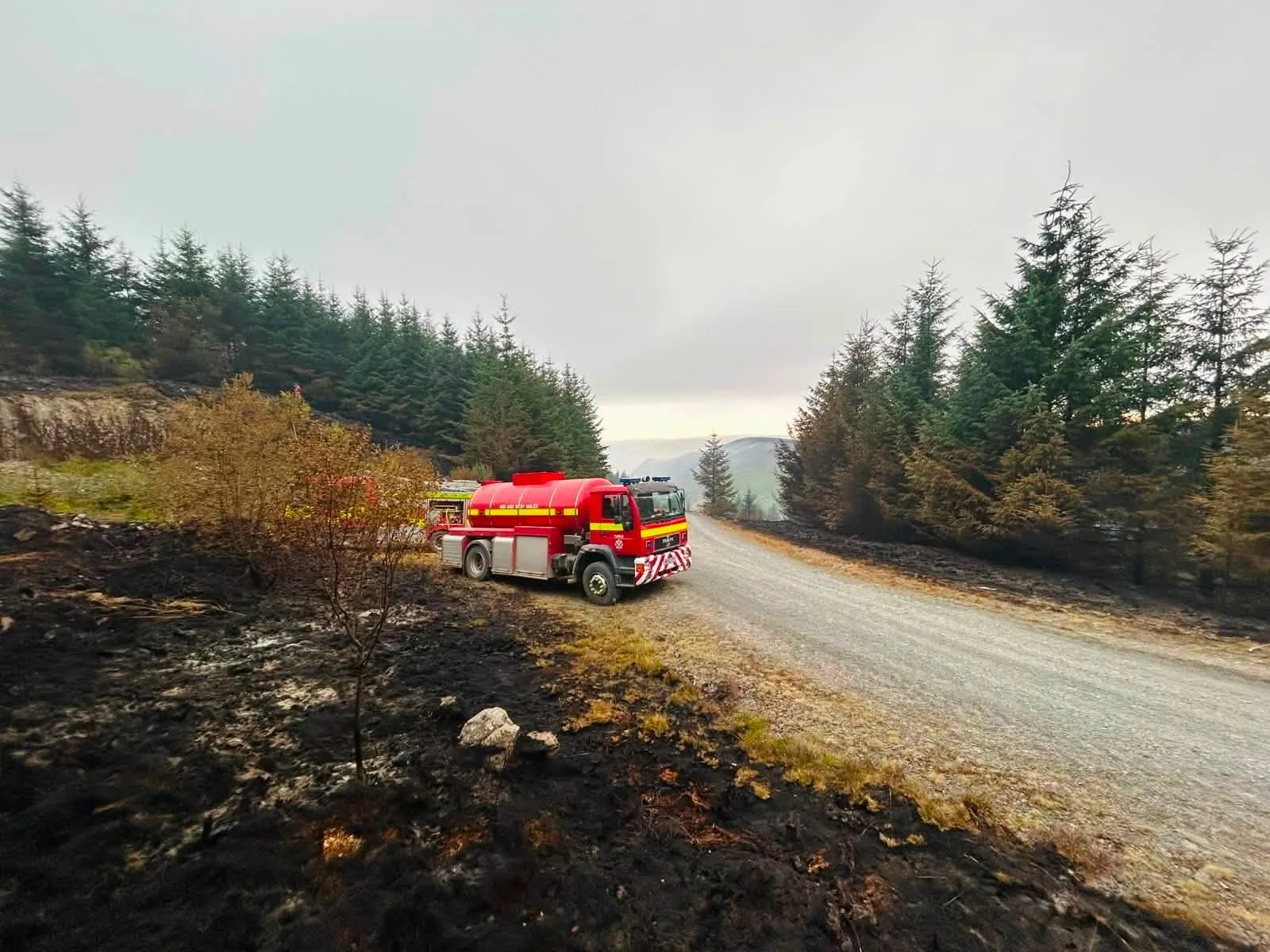
The Wales Wildfire Board is urging farmers, landowners and rural communities to put robust plans in place after a 2026 wildfire season that broke records for heat and dryness.
July was declared the driest month ever recorded in Wales and the summer proved the hottest on file, creating conditions ripe for fire.
Four major incidents dominated the summer, igniting in Rhandirmwyn, on Conwy Mountain, at Llanwonno Mountain and around Llangynidr Reservoir.
In Rhandirmwyn a helicopter was deployed to drop water on the blaze, a stark illustration of the scale of resources required.
The intensity of the fires placed unprecedented pressure on Welsh fire services, which called on neighbouring English crews for assistance and, in South Wales, on the military to help contain the infernos.
Communities faced disruption and uncertainty, while farmers saw large swathes of grazing land scarred, valuable habitats damaged and, in some cases, families suffered the loss of homes.
“This summer has changed the conversation around wildfire in Wales”. People saw first‑hand the scale of resources required to tackle large wildfires and the impact they can have on communities, businesses, farmland, and the environment.
One of the clearest lessons from recent months is that wildfire resilience cannot be delivered by emergency services alone.
Andy Wright, chairman of the board and senior specialist advisor for plant health at Natural Resources Wales, used the quote to underline the need for collective action.
His message to land managers is simple: take the time to assess risk, engage with local partners and plan any controlled burn well in advance.
He stresses that working with fire and rescue services, Natural Resources Wales and farming representatives can protect livelihoods, boost resilience and help prevent the large‑scale blazes that scarred the country this summer.
The board recognises that controlled burning remains a vital land‑management tool when carried out responsibly.
Landowners may burn heather, grass, bracken and gorse between 1 October and 15 March, or until 31 March in upland areas, provided they follow strict safety protocols.
Anyone planning a burn must notify the local fire and rescue service, ensure sufficient personnel and equipment are on hand, and check weather forecasts before lighting a fire.
Fires must never be left unattended and the site should be revisited after the burn to confirm there is no re‑ignition.
Further guidance and resources are available through the #BurnToProtect campaign on local fire and rescue service websites, offering practical advice to help the sector adapt to a changing climate.
With climate models predicting hotter, drier summers, the board’s call for proactive planning aims to safeguard Wales’ rural heartland from the growing threat of wildfire.