
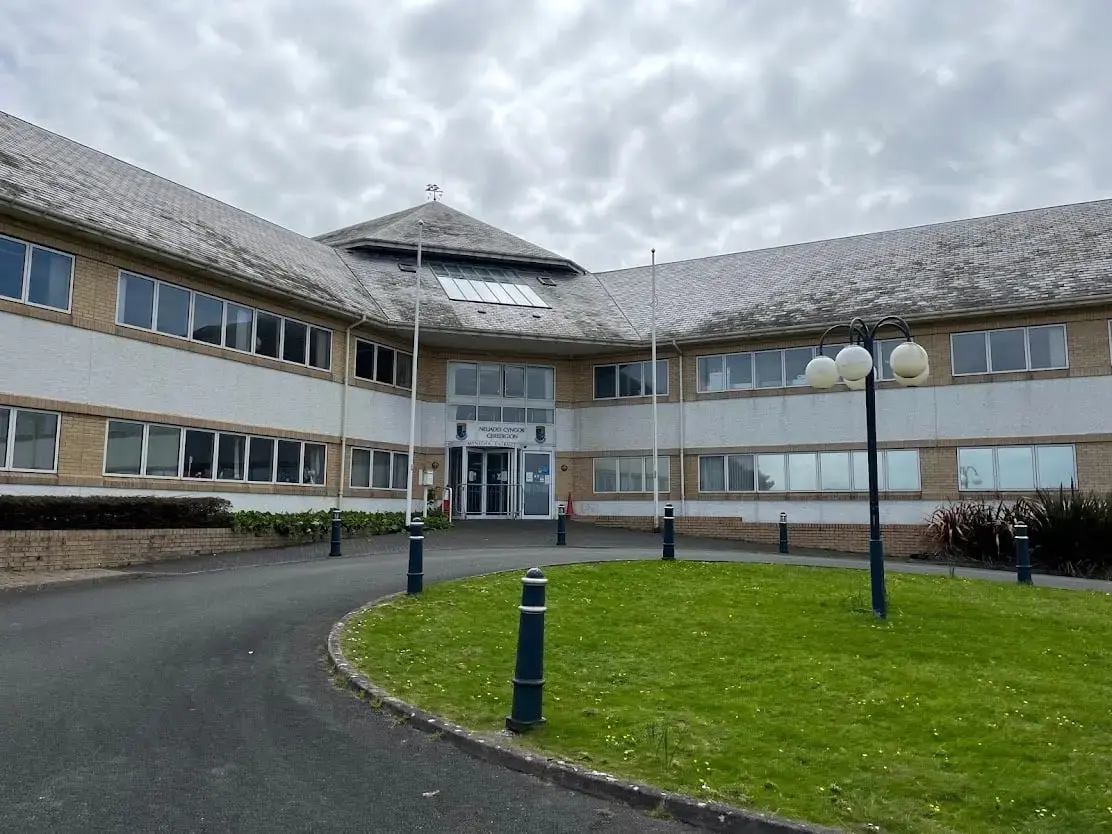
Ceredigion County Council faces a minimum £49 million bill to decarbonise its building estate, according to a damning new Audit Wales report published on 3 November. The watchdog warns that Wales is now highly unlikely to achieve its ambition of creating a net-zero public sector by 2030 due to slowing progress. This assessment follows concerns raised in 2022 about the pace of decarbonisation across Welsh public bodies.
The report, titled ‘Zeroing in? Follow-up on public sector decarbonisation’, cites 2025 research commissioned by the Welsh Government and Welsh Local Government Association. It estimates that decarbonising council buildings across Wales requires capital investment of at least £2.3 billion between 2024 and 2030.
Ceredigion’s specific requirement is £49 million, a figure significantly lower than Cardiff’s estimated £218 million cost.
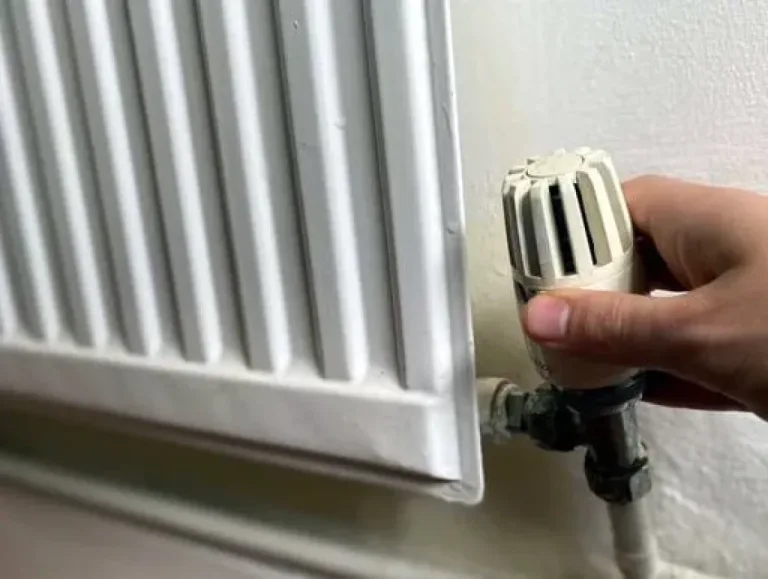
These calculations cover essential improvements such as heat pumps, double glazing, and renewable energy installations designed to reduce carbon emissions. Crucially, the figures represent estimated investment requirements rather than confirmed spending commitments or additional budget deficits for local authorities. The data highlights the scale of capital needed to meet environmental targets within the next six years.
Audit Wales found that decarbonisation has become a lower priority for public bodies, with financial pressures increasingly taking precedence over environmental objectives. The watchdog criticised the Welsh Government’s approach, finding that its collective net-zero ambition was poorly defined. Insufficient progress had also been made towards establishing meaningful accountability for these climate goals.
Although public bodies have introduced various environmental initiatives, auditors concluded that improvements had not accelerated sufficiently since their previous investigation. The report also identified significant weaknesses in financial planning across the sector. Many organisations lack a comprehensive understanding of the investment needed to decarbonise their operations effectively.
Across Wales, reported public sector emissions increased by approximately 20 percent between 2021-22 and 2024-25. However, Audit Wales cautioned that improved reporting and additional organisations submitting data contributed to this statistical rise. During the same period, the number of public bodies reporting their emissions rose from 69 to 82.
Auditors also found that emissions associated with supply chains accounted for 84 percent of the public sector’s reported carbon footprint. This presents further challenges for organisations seeking meaningful reductions in their overall environmental impact. The Welsh Government has provided approximately £144 million in loans and £84 million in grants to support public sector decarbonisation between 2022-23 and 2025-26.
Audit Wales warned that delaying improvements could ultimately create additional financial pressures as public bodies face the consequences of climate change. Ann-Marie Harkin, Executive Director for Audit Delivery at Audit Wales, said insufficient progress had been made overall and called for greater action. Her comments underscore the urgency required to address the widening gap between targets and actual performance.
Responding to the findings, the Welsh Government acknowledged that further work was necessary to meet its climate objectives. The administration said it would outline its future priorities for public sector climate action in the coming months. This response follows the publication of the detailed audit findings on the state of decarbonisation.
The Welsh Local Government Association recognised the severe financial difficulties currently facing councils across the country. However, the body highlighted potential benefits from decarbonisation, including reduced pollution, employment opportunities, and support for local businesses. These economic arguments aim to balance the immediate cost pressures with long-term strategic gains.













Reader Discussion & Comments (0)
Join the conversation. All comments are moderated in accordance with our editorial standards.