
Controversial HMO conversion approved despite local opposition
Cardiff council has approved a nine‑bedroom HMO conversion of the former Red Balloon Nursery in Llandeyrn, sparking protest from residents and two councillors over traffic, overdevelopment and loss of community space.
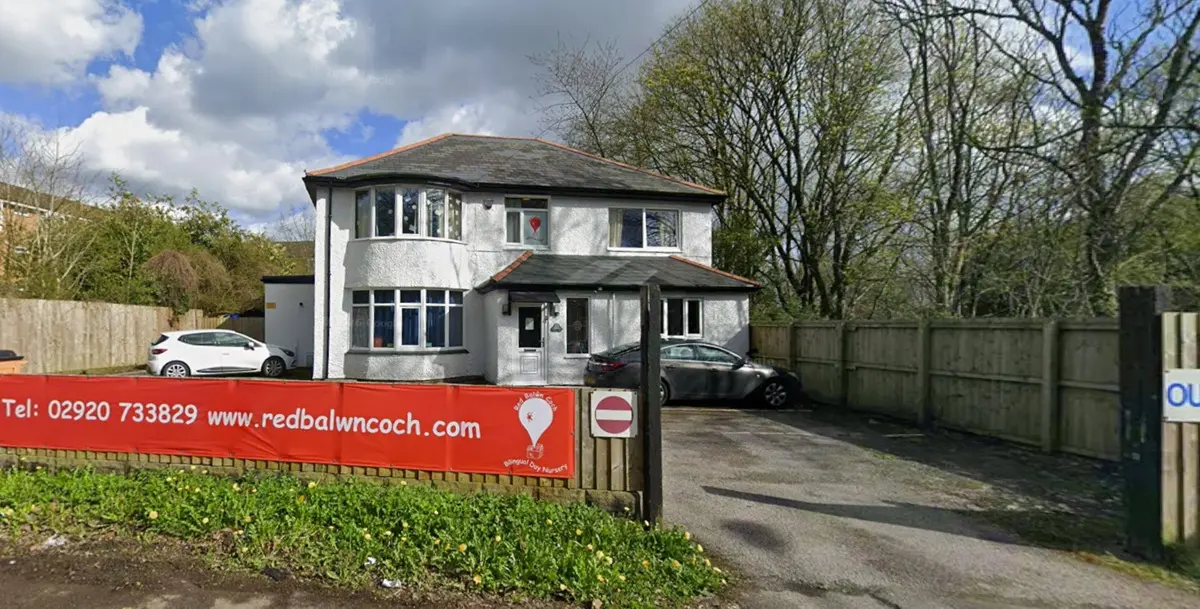
A Cardiff council planning committee has granted permission to convert the former Red Balloon Nursery in Llandeyrn into a nine‑bedroom house in multiple occupation, despite vocal opposition from residents and two ward councillors. The owners submitted the application earlier this year, arguing that declining enrolments, rising operating costs and changing work patterns had rendered the childcare facility financially unsustainable.
Their statement to the council noted that the nursery “has experienced a gradual but consistent downturn in the performance of the nursery business, ultimately rendering it financially unsustainable” and warned that the vacant building risked “vacancy and deterioration if an alternative use is not secured”. The proposal would see the existing structure repurposed for residential use, with a separate building designated as a communal lounge for the HMO’s occupants.
Seventeen letters of objection were lodged on the planning portal, citing concerns over overdevelopment, increased traffic, loss of a community space and the proximity of the new accommodation to nearby schools. During the committee meeting, the planning officer confirmed that every element of the scheme complied with current policy and that no objections had been raised by the council’s highways and traffic team.
Ward councillor Joe Carter, who represents Pentwyn, argued that “these are not the right plans for [the building]” and highlighted that the proposed lounge “is a lounge, the main communal area of the house, but it’s not in the house at all”. He added that the layout amounted to “cramming as many rooms as possible into the space” and described the development as “too much for this building”.
By contrast, fellow councillor Sean Driscoll welcomed the decision, stating “I think we’re going to have to get used to a few more HMOs” and noting that the conversion “doesn’t look out of place” in the neighbourhood, though he conceded it might be “a bedroom too far”. Councillor Michael Michael expressed confidence in the application’s strength, saying he could “see no reason” why a “really strong application” should be turned down.
Adrian Robson, also on the committee, described the proposal as “policy‑compliant” and suggested it was “probably one of the better HMO applications this committee has seen”. The council’s approval means the former nursery will be altered within months, with the owners expected to submit detailed building works plans to the planning department.
Local residents, who had hoped the site might be retained for community use or redeveloped as affordable housing, said the decision undermines the area’s character and puts additional pressure on already congested streets. The council’s planning department reiterated that the development meets the city’s housing targets and will provide much‑needed accommodation for young professionals in the capital.
The decision has reignited debate across Cardiff about the balance between meeting housing demand and preserving community assets, a tension that the city’s planners say will continue to shape future applications.