
Welsh cockle shortage forces historic factory to halt production
Parsons Pickles, operating from the Ashburnham Works site since 1948, halted activity in August, its parent company Lenger UK saying the season ranks among the most challenging in…
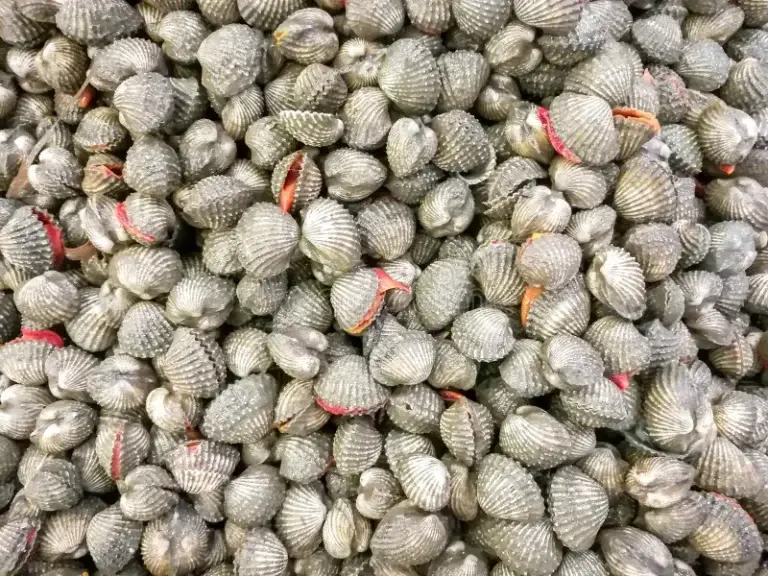
A historic south‑Wales shellfish processor has suspended output and made eight workers redundant after a sharp fall in cockle landings forced its Burry Port plant to mothball production.
Parsons Pickles, operating from the Ashburnham Works site since 1948, halted activity in August, its parent company Lenger UK saying the season ranks among the most challenging in living memory.
Cockles account for roughly 60 per cent of the firm’s business, leaving the operation especially vulnerable when supplies dwindle.
Eight production staff were dismissed, while managers and a core team of specialists were retained in the hope of restarting when catches improve.
Lenger UK confirmed the suspension is not permanent, but stressed that sustainable operation depends on sufficient local landings.
Official figures show the shortage is not uniform across Wales. The Welsh Government’s August 2026 survey of the Three Rivers cockle fishery – covering beds at Llansteffan, Ferryside, Llanybri and St Ishmaels – recorded a total stock of 7,632 tonnes, down from 9,216 tonnes a year earlier.
The estimated harvestable surplus fell to 1,307 tonnes, a 27 per cent drop from the 1,781 tonnes recorded in August 2025.
The Gwendraeth cockle bed remains closed, while the other four beds have operated under permit conditions since July.
Meanwhile, the Burry Inlet fishery, another major source of Welsh cockles, officially opened on 5 May. Its February assessment put the stock at 9,885 tonnes with a harvestable surplus of 1,825 tonnes.
Despite the Burry Inlet’s reopening, processors are not receiving the volumes needed to sustain local facilities.
Lenger UK said its Penclawdd shellfish operation will continue, but reduced catches from south Wales are now being shipped to the group’s processing plant in King’s Lynn rather than handled locally.
The shift underscores how lower landings affect not only fishers on the sands but also the specialised jobs and infrastructure that prepare cockles for market.
Shellfish harvesting remains a cornerstone of west‑Wales food heritage, with cockles traditionally sold in coastal towns and served alongside laverbread and bacon.
Scientific research offers insight into long‑term population changes. A Swansea University study published in 2022, analysing data from 1958 to 2009, found that Burry Inlet cockles had become smaller and lived shorter lives during parts of the period.
Researcher Dr Ruth Callaway linked the trend to altered wastewater treatment from 1997, which reduced nutrient inputs to the estuary, though the study did not pinpoint the cause of the current shortage.
Other environmental and fishing‑related factors may also be influencing the decline.
Separately, the Food Standards Agency lifted a marine‑biotoxin harvesting closure on the Burry Inlet on 1 October after toxin levels returned to safe limits, a measure distinct from the ongoing low‑catch issue.
The Welsh Government has introduced tighter permitting arrangements, including catch controls, standard bag sizes and tagging, alongside regular surveys aimed at protecting shellfish stocks and the wildlife that depend on them.
Ministers estimated the total value of Welsh cockle catches to the end of October 2025 at £5 million, highlighting the sector’s economic importance.
For businesses such as Parsons Pickles, the immediate question is whether future catches will rise enough to make local processing viable again.
Coastal communities, meanwhile, face the longer‑term risk that a prolonged interruption could erode processing capacity, employment and traditional skills that have underpinned the region’s maritime culture for generations.