
Anglesey approves trial trenches for solar farm cable route
Council green‑lights targeted archaeological trenches along a 2.5km underground cable route for Parc Solar Traffwll, balancing heritage concerns with renewable energy plans.
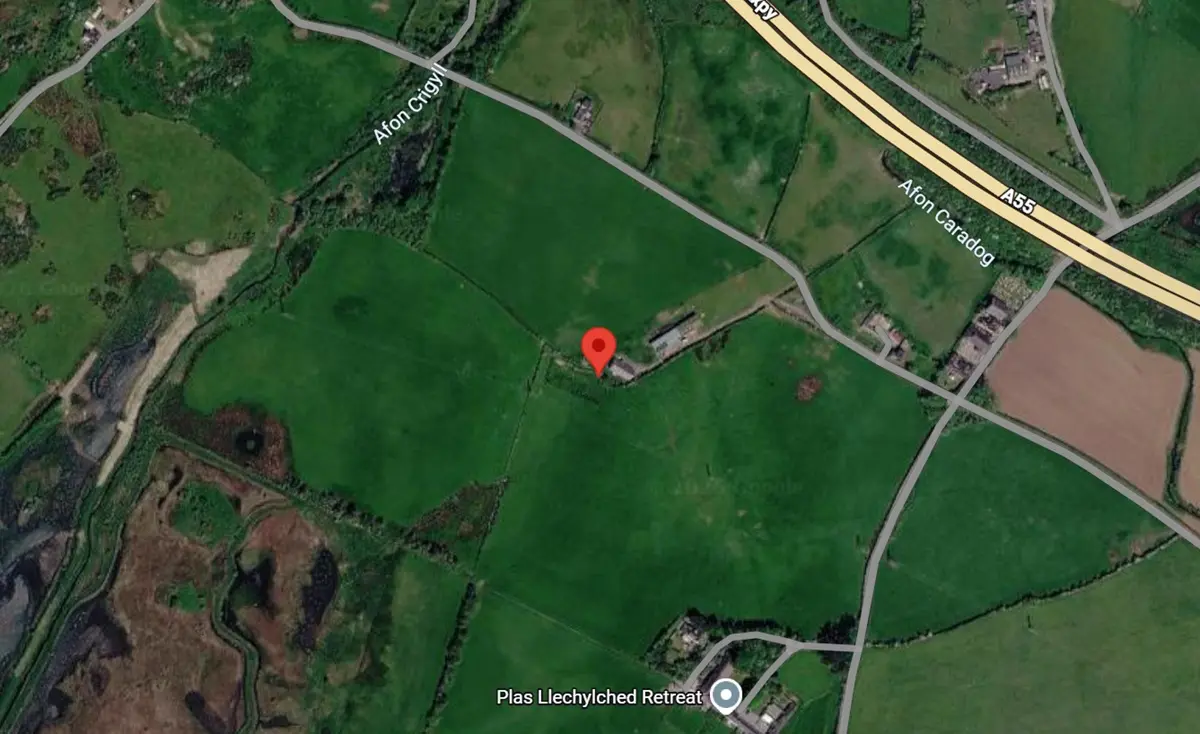
Anglesey County Council has given the green light for targeted trial trenches along a 2.5km underground cable route that will serve the Parc Solar Traffwll development, despite objections over possible Roman‑era remains.
The proposed route will run from the northern fringe of Llanfihangel‑yn‑Nhowyn eastwards, skirting the southern edge of Bryngwran and staying just south of the A55, before crossing the Afon Crigyll at its eastern section.
Historic mapping has flagged a possible Roman camp at Caer Elen Farm, prompting heritage groups to warn that sub‑surface archaeological features could survive beneath the planned trench.
County councillors voted to approve the cable alignment after the project’s developers offered a revised off‑road section that would avoid two kilometres of road‑based installation.
Bryngwran Community Council raised concerns that the route passes through “areas of known or potential archaeological interest”.
The planning report highlighted the “more sensitive section of the route” at Caer Elen Farm, noting that while no surface remains are visible, later disturbance has not erased the possibility of buried features.
Trenches will be dug to a depth of roughly one metre, with ducting sized at 400mm and 700mm to accommodate the cable bundles.
Jane Papenfus, head of project development at Low Carbon, said the alternative farm‑land crossing would cut road works by around two kilometres.
Natural Resources Wales and council ecologists have raised no objections, and the project promises to safeguard protected species and the triple Site of Special Scientific Interest along the corridor.
Rhys Lloyd Jones, head of Environment and Planning, confirmed that the heritage advisory body Heneb had examined the plan.
“Special attention is given to the area near Caer Elen Farm where targeted trial trenches need to be excavated.”
Cllr Neville Evans warned that the area holds “much historical interest” and that “you don’t know what you will find until you start digging”.
“Obviously there are strong feelings against the solar park.” What the officers say is we have to consider this application based on merit.
Cllr Robin Williams, deputy leader, said he opposed solar development on agricultural land but deemed the revised route “less of an issue for local people” and therefore acceptable.
The council’s decision now allows archaeologists to begin the pre‑start trial trenching, with a watching brief in place for the entire off‑road segment, before the full cable installation proceeds.