

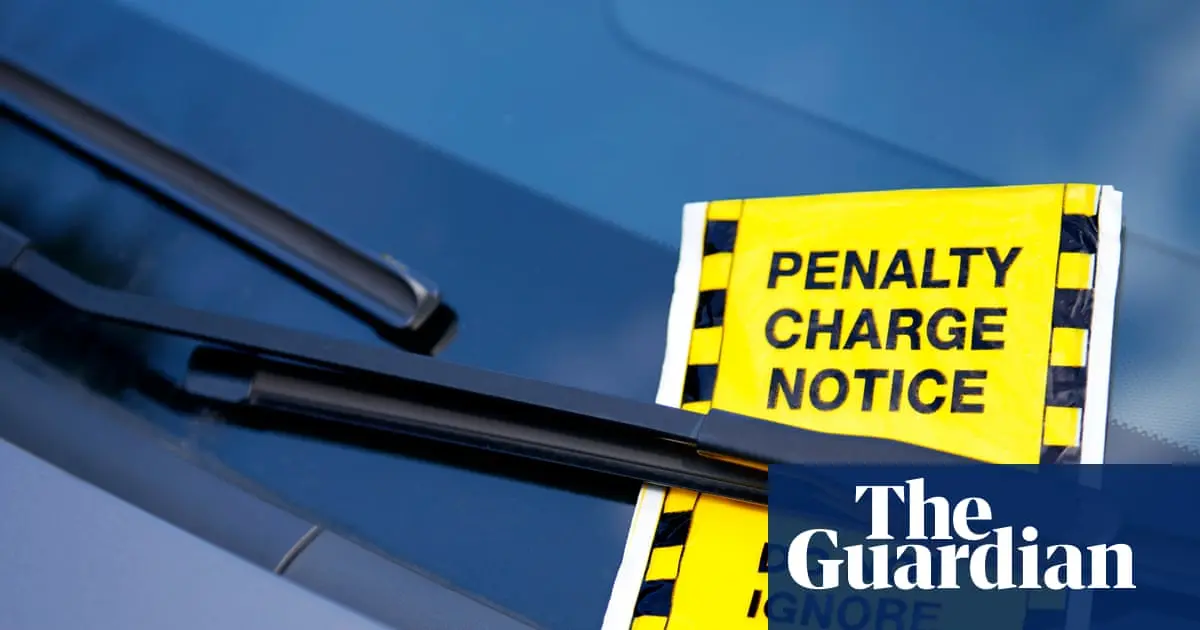
A record 11,400 drivers contacted the DVLA last year after receiving fines for offences they did not commit, prompting the launch of a new online reporting tool for England and Wales. The initiative aims to streamline the process for victims of cloned number plates, allowing them to alert police directly while simultaneously notifying the DVLA of the fraudulent activity.
The surge in complaints marks a 9% increase compared to 2024 and is almost double the number recorded in 2018. Criminals are increasingly using cloned plates to evade detection and avoid paying penalties for dangerous or illegal driving, creating a significant administrative burden for innocent motorists across the UK.
Sandra Yarwood, a victim of this crime, holds a file “about 2in thick” of paperwork relating to the 32 driving fines she received this summer. Her black Volkswagen Golf did not move from outside her London home while she was on holiday in Canada, yet a similar vehicle with a fraudulent copy of her registration racked up penalty notices totalling £2,560 across five London boroughs.
The new government tool is designed to make it easier for victims to alert authorities by reporting a cloned plate directly to the police online. This direct channel ensures that the DVLA is also informed, helping to resolve disputes more efficiently than previous manual processes that often left drivers struggling to prove their innocence.
Additionally, a new section on the government’s website explains how to appeal against incorrect fines or charges. The government has also issued consumer guidance on how to avoid falling foul of driving with an illegal number plate, following findings that a third of motorists stopped in number plate operations this year had no idea they had one.
Early findings from the police suggest that, as well as deliberate criminal use, the public are unwittingly being sold incorrect plates. Stolen secondhand cars can be fitted with cloned plates, and the government advises that you check the car’s registration number is consistent with information held by the DVLA before completing any purchase.
Roads minister Justin Madders stated: “Illegal plates are being used by criminals, but it is also the case that innocent motorists can have illegal plates on their vehicles without their knowledge.” He emphasised the need for practical solutions to protect the public from unwarranted legal and financial consequences.
“We are going to make it easier for victims of cloned plates to report them as well as [launching] webpages to help drivers when they buy number plates and used cars from reputable sellers,” Madders added. These measures represent small everyday fixes from the government which could help you avoid unwelcome attention from police.
It took Yarwood months to sort out the mess left by the criminals who racked up the fines in six days. “I never paid any of them … but the difficulty contesting them is gobsmacking,” she said, highlighting the bureaucratic hurdles faced by those trying to clear their names.
“You have to prove your innocence and the fact that I was not in the country was not enough,” Yarwood explained. The burden of proof currently rests heavily on the driver, requiring extensive documentation to demonstrate that the vehicle was not in their possession at the time of the alleged offences.
She said after she had reported the cloned plates her husband was stopped while driving the car. “But not in an unpleasant way,” she added. “It was fine.”
This interaction suggests that once the issue is formally reported, police officers are generally aware of the situation and handle subsequent stops with understanding.
If it happens again, Yarwood has been advised to change her registration which she says is a “whole thing I didn’t want to have to do.” She remains in a state of limbo, hoping the fraudulent activity ceases without the need for further administrative changes to her vehicle’s identity.








Reader Discussion & Comments (0)
Join the conversation. All comments are moderated in accordance with our editorial standards.