
Pembrokeshire rail users warned of weekend line closure
Engineering works on 17‑18 October will close the Cardiff‑Bridgend line, forcing diversions via Barry and earlier departures, prompting travellers to check connections.
Pembrokeshire rail passengers have been urged to double‑check their itineraries after Transport for Wales (TfW) and Network Rail announced engineering works that will close the line between Cardiff Central and Bridgend via Pontyclun on Saturday 17 and Sunday 18 October.
The closure will force all Cardiff–West Wales services to divert via Barry, adding extra minutes to journeys and requiring some travellers to change trains at Swansea.
Great Western Railway services to and from Swansea are also being retimed, with some departures up to half an hour earlier than usual.
Replacement buses will operate between the affected stations on the closed section, meaning passengers from Haverfordwest, Milford Haven, Pembroke Dock or Fishguard Harbour must allow additional time for connections.
Transport for Wales advises commuters to check the whole journey, not just the departure from their local station, and to confirm whether a change at Swansea is required.
The weekend works are separate from the temporary leaf‑fall timetable changes introduced on selected routes from 10 October, which do not directly affect Pembrokeshire lines but may still impact onward travel beyond Swansea.
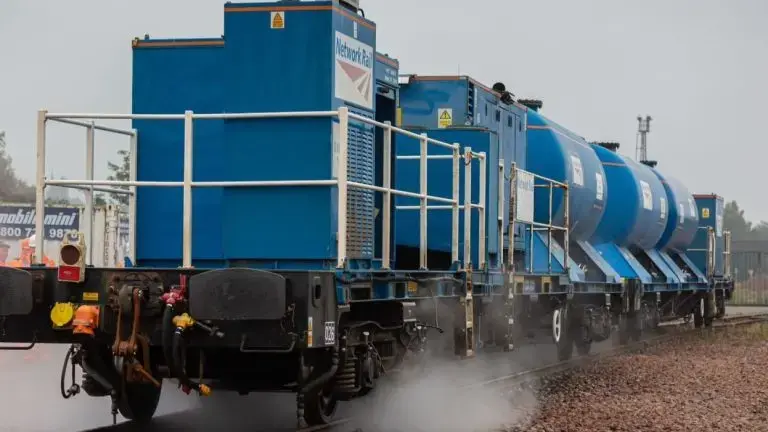
Network Rail is deploying four specialist rail‑head treatment trains to cover more than 54,400 miles of track across 224 circuits, using high‑pressure water to clear compressed leaves and other debris that can make rails slippery.
Ten dedicated autumn response teams will be on standby across the Wales and Borders network, while targeted drainage upgrades have been carried out at flood‑prone sites.
Ten new weather‑monitoring stations have also been installed to provide real‑time data, complementing TfW’s £2.5 million investment in a new wheel lathe at its Canton depot, following a similar installation at Holyhead earlier in the year.
Sarah Davies, the Met Office’s head of environment and energy, warned that “El Niño was one of several global influences that could make wetter conditions more likely, but seasonal forecasts cannot identify exactly when or where severe weather will strike.”
Colin Lea, TfW’s planning and performance director, said the seasonal timetable adjustments were “relatively small but designed to make services more reliable when fallen leaves affect the railway,” adding that the revised departure times had been uploaded to journey planners twelve weeks in advance.
Martin Taylor of Network Rail explained that the work “will allow the industry to respond earlier to developing weather risks and minimise disruption to passengers.”
Forecasters note that periods of heavy rain could raise flood risks, especially after a hot, dry summer that leaves the ground less able to absorb sudden downpours, while strong winds may bring down branches or debris onto the tracks.
Passengers are urged to consult the TfW website or its app shortly before setting out, and to keep an eye on Met Office warnings for any sudden changes in weather.
Full details of the engineering works and the wider seasonal preparations are available on TfW’s planned improvement works page and its separate timetable information page.