
Roman Britain languages explored at Aberystwyth conference
International scholars gather in Aberystwyth to uncover how Celtic tongues and Latin coexisted in Roman Britain, with free public access.
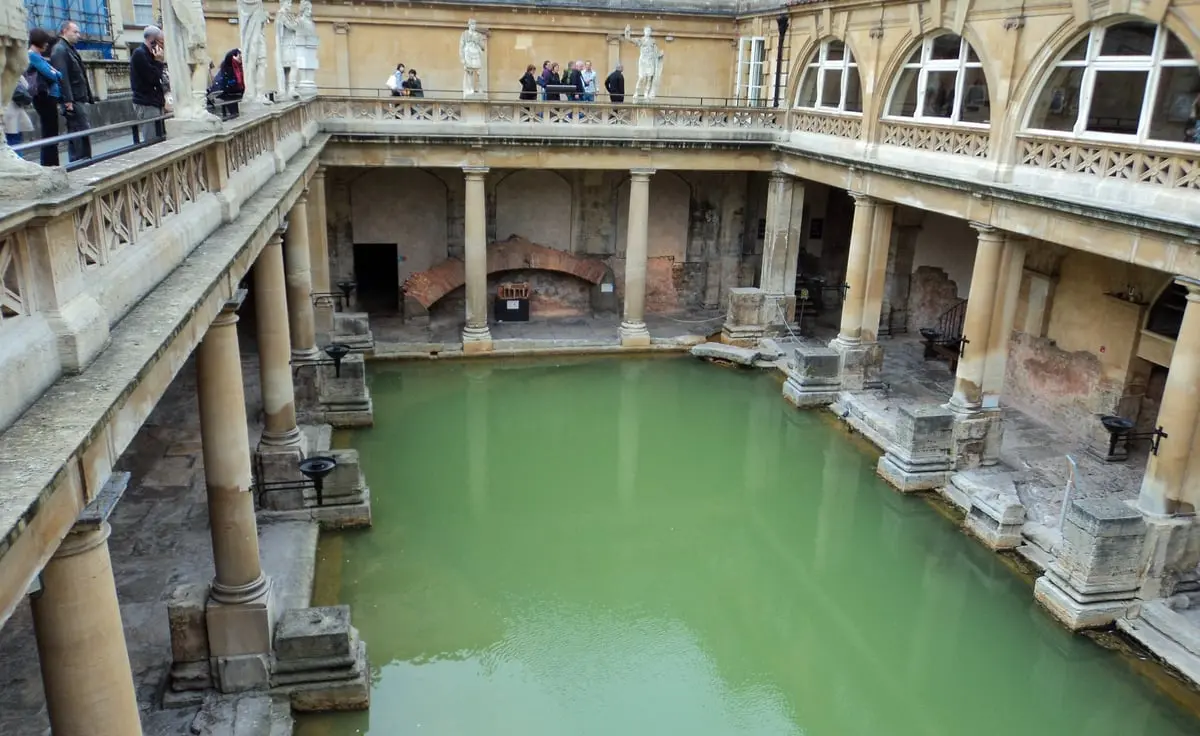
Researchers from across Europe will converge on Aberystwyth on 17 October to examine the linguistic landscape of Roman Britain. The two‑day event is organised by Aberystwyth University’s Department of Welsh and Celtic Studies and will run from 9.30 am to 5.40 pm in Tŷ Trafod, the Visualisation Centre on the Penglais Campus.
Attendance is free and no prior registration is required, allowing scholars, students and the public to engage with the programme. Latin dominated public life in Roman Britain, yet Celtic tongues continued to be spoken throughout the island, creating a multilingual society.
Evidence of this linguistic interplay survives in place‑names, stone inscriptions and loan‑words that entered the Celtic lexicon. Welsh words such as pont (bridge) and llyfr (book) trace their origins to Latin, illustrating the lasting impact of Roman contact.
Dr Simon Rodway, senior lecturer in the department, highlighted the significance of the research. “Roman Britain was a complex multilingual society, and the relationship between the Celtic languages and Latin can tell us a great deal about the people who lived here and their connections with the wider Roman world.”
“We are bringing together researchers working across a range of fields to explore questions ranging from bilingualism and place names to inscriptions, grammar and the names of Celtic gods.” “Together, these different strands of evidence can help us build a richer understanding of the languages spoken in Roman Britain and the people who used them.”
Dr Alexander Falileyev, a specialist in Celtic linguistics, will present new findings on the diffusion of Latin terminology into early Celtic dialects.
Scholars from Spain, Germany and Italy are also on the roster, reflecting the pan‑European interest in Britain’s ancient linguistic heritage. The conference agenda includes sessions on bilingualism and identity, exploring how individuals navigated dual language environments.
One paper will investigate ancient place‑names in Scotland, shedding light on regional variations in Celtic‑Latin interaction. Another presentation will focus on recently discovered inscriptions that reveal grammatical borrowing between the two language families.
Researchers will also discuss the names of Celtic and Roman deities, tracing how religious terminology migrated across cultural boundaries. Newly published texts from Roman Britain will be examined for linguistic clues that challenge previous assumptions about language use.
The event aims to bring together archaeologists, philologists and historians to foster interdisciplinary dialogue. Organisers stress that the conference will not only enrich academic understanding but also enhance public appreciation of Wales’s deep historical roots.
Local schools have been invited to attend selected talks, offering students a rare glimpse into the linguistic past of their own landscape. Aberystwyth University’s visualisation facilities will support interactive displays of ancient maps and inscriptional data.
Participants will have access to a digital repository of the conference papers, ensuring the research remains available beyond the two‑day programme. The initiative aligns with the university’s broader strategy to promote Celtic studies and preserve Wales’s linguistic heritage.
Funding for the conference has been provided by the Arts and Humanities Research Council, underscoring the national importance of the project. Organisers anticipate that the findings will contribute to ongoing debates about the extent of Romanisation in Britain.
By juxtaposing linguistic evidence with archaeological context, scholars hope to map the shifting boundaries of language use across the province. The conference will close with a panel discussion on future research directions, inviting attendees to propose collaborative projects.
All sessions will be recorded and made publicly accessible through the university’s online platform. Those interested in the linguistic legacy of Roman Britain are encouraged to attend the free event on 17 October.