
Trawsfynydd handover sparks 100‑plus jobs in North Wales
Costain takes control of Trawsfynydd reactor buildings, launching a phase that promises over 100 jobs, apprenticeships and supply‑chain growth across North Wales.
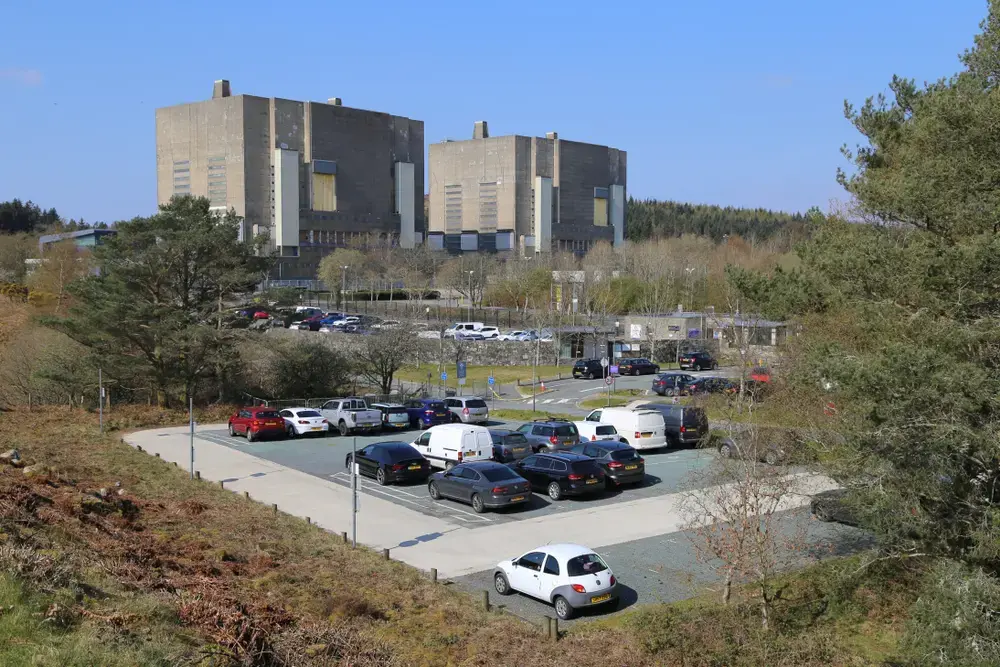
Control of the former Trawsfynydd nuclear power station’s reactor buildings has been handed over to infrastructure firm Costain, signalling the start of a new de‑commissioning phase that could support more than 100 jobs at its peak.
Nuclear Restoration Services (NRS) confirmed the handover on Tuesday, ending a years‑long period of planning and preparation and granting Costain access to the site’s reactor structures.
The contract to reduce the height of both reactor buildings by almost half was awarded to Costain in October 2025, and the latest milestone marks the transition from design to on‑site delivery.
At its busiest, the programme is expected to employ over a hundred workers directly with Costain, while also creating a cascade of opportunities for local businesses, apprentices and specialist contractors across North Wales.
“Reaching this milestone reflects years of planning, preparation and collaboration for our dedicated workforce and supply chain partners.” I’d like to thank everyone whose hard work and commitment has helped us get to this point.
As well as delivering an important step forward in decommissioning, the project will create opportunities for local people and businesses, helping ensure benefits are felt beyond the site boundary. Trawsfynydd has an important role as one of NRS’s lead and learn sites.
The experience gained through this project will help inform future decommissioning programmes across the wider NRS estate and support the development of skills, knowledge and best practice.”
The statement was made by Tom Williams, NRS Trawsfynydd Site Director, during a site visit that also saw the arrival of a large crane to begin initial works.
Early tasks include the erection of scaffolding, installation of hoists and the laying of new electrical infrastructure, all preparatory steps for the more visible phase slated for later in 2026.
That phase will see the deployment of massive crawler cranes to begin the physical reduction of the reactor towers, followed by the installation of two tower cranes inside the buildings in early 2027 to facilitate deconstruction.
Beyond the engineering feats, the project aligns with the Welsh Government’s broader objectives for regional development, skills training and the transition to a low‑carbon energy economy.
Although Cwmni Egino – the Welsh Government‑backed company set up to explore future nuclear development at Trawsfynydd – ceased operations in March 2026, its research provides a foundation for longer‑term considerations of the site’s potential.
The decommissioning effort is designated as one of NRS’s “lead and learn” locations, meaning the knowledge gained will inform future nuclear clean‑up projects across the United Kingdom.
Industry observers note that the concentration of specialist engineering and construction expertise in North Wales could bolster the region’s capacity to attract further energy‑infrastructure contracts.
Local suppliers have already been invited to tender for a range of services, from civil works to bespoke fabrication, widening the economic impact beyond the immediate workforce.
Apprenticeship schemes linked to the programme are being coordinated with regional colleges, offering pathways for young people into high‑skill trades such as welding, structural engineering and health‑and‑safety management.
Costain’s entry onto the site also brings a robust health and safety framework, with regular audits planned to ensure compliance with nuclear decommissioning standards.
The physical transformation of the iconic reactor silhouettes will alter a landmark of the Eryri landscape, a change that has drawn both curiosity and concern from local communities.
As on‑site activity ramps up, the focus will shift to delivering the complex engineering work while ensuring that employment, training and commercial benefits extend into surrounding towns and villages.