
Welsh child payment held up by UK Treasury tax rules
Deputy First Minister says scheme cannot launch until Westminster grants benefit and tax exemptions, sparking debate in Senedd.
The Welsh Government’s proposed child payment, designed to lift thousands of families out of poverty, cannot be rolled out until the UK Treasury agrees to grant a benefit and tax disregard.
The “Cynnal” payment is intended to top‑up existing support for low‑income households, but Westminster’s approval is required to ensure the extra cash does not trigger reductions in other benefits.
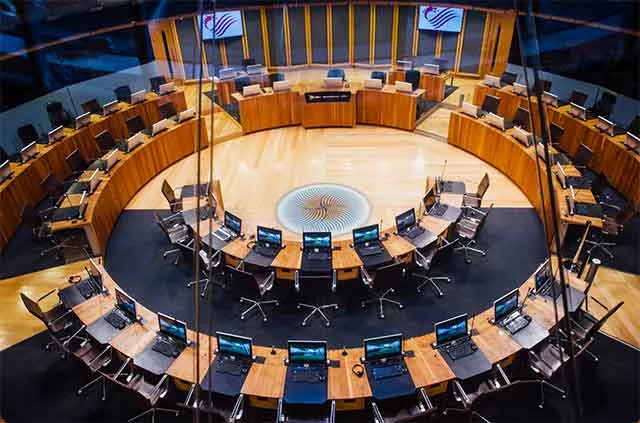
Deputy First Minister and Social Justice Minister Sioned Williams told the Senedd on Wednesday, 30 September, that the scheme will only proceed once the Treasury provides the necessary exemptions.
Reform MS Paul Marr pressed for clarification on the rollout, noting a discrepancy between the First Minister’s earlier claim that the scheme was being piloted and the Programme for Government’s wording that it would “seek to pilot”.
“The distinction there really matters, Minister, because ‘we’re going to’ is a commitment, while ‘seek to’ is not,” Mr Marr said.
Ms Williams replied that the wording reflected a critical decision resting with the UK Government, adding that the Welsh Government does not want families to be made worse off by the new payment.
“What we don’t want to do with Cynnal is make families worse off,” she said. “We want to make them better off.”
So, that means the UK Treasury has to give a benefit and tax disregard.”
She confirmed a recent meeting with Baroness Sherlock, Minister of State at the Department for Work and Pensions, who agreed to explore options that would prevent the payment from affecting tax or benefit calculations.
Conservative MS Natasha Asghar criticised the government for seeking additional powers, arguing that the focus should be on creating opportunity rather than expanding dependency.
“Households across Wales are struggling with rising living costs,” Ms Asghar said.
Ms Williams rejected the narrative of dependency, insisting that support must reach those most in need.
“People are eligible for those benefits because their income is currently not sufficient to make sure that they are able to live with dignity and meet their essential needs,” she said.
“We will not be quibbling about who is eligible for that support.” If they are in need, if they are in poverty, if they are disabled and need our help, then we will help them.”
Plaid Cymru MS Carrie Harper urged the government to press ahead, pointing to Scotland as a blueprint where child poverty rates are falling.
She highlighted that 12 786 children in her constituency of Flint‑Wrexham currently live in poverty, warning of a direct link between childhood poverty and later disengagement from education, employment or training.
“Scotland acts as an example to all of us in Cymru in terms of what can be achieved when governments have the tools to do more for their own people,” Ms Harper said.
Welsh child poverty remains a pressing issue, with recent figures showing that roughly one in five children in Wales live below the poverty line.
If the Cynnal payment can be delivered without triggering benefit cuts, officials say it could provide a vital lifeline for families facing soaring energy bills and food costs.
For now, the scheme sits in limbo as Welsh ministers await a formal assurance from the Treasury that the necessary tax and benefit exemptions will be granted.
The Senedd will continue to scrutinise the matter, with further questions expected as the Welsh Government seeks to secure the financial safeguards required to launch the payment.