Wrexham Council Leader backs public inquiry into 45,000 toxic waste sites across Wales
Cllr Mark Pritchard, the leader of Wrexham Council, has formally backed calls for the Welsh Government to establish a public inquiry into historical contaminated waste sites across the nation. This support follows a unanimous decision by Caerphilly County Borough Council to request a full investigation into hazardous waste disposal practices.
The appeal was directed at Llyr Gruffydd MS, the Cabinet Minister for Rural Resilience and Sustainability, urging the Welsh Government to identify all sites, determine their contents, and outline remediation strategies. Councillors in Caerphilly unanimously supported the move to scrutinise decades of industrial dumping.
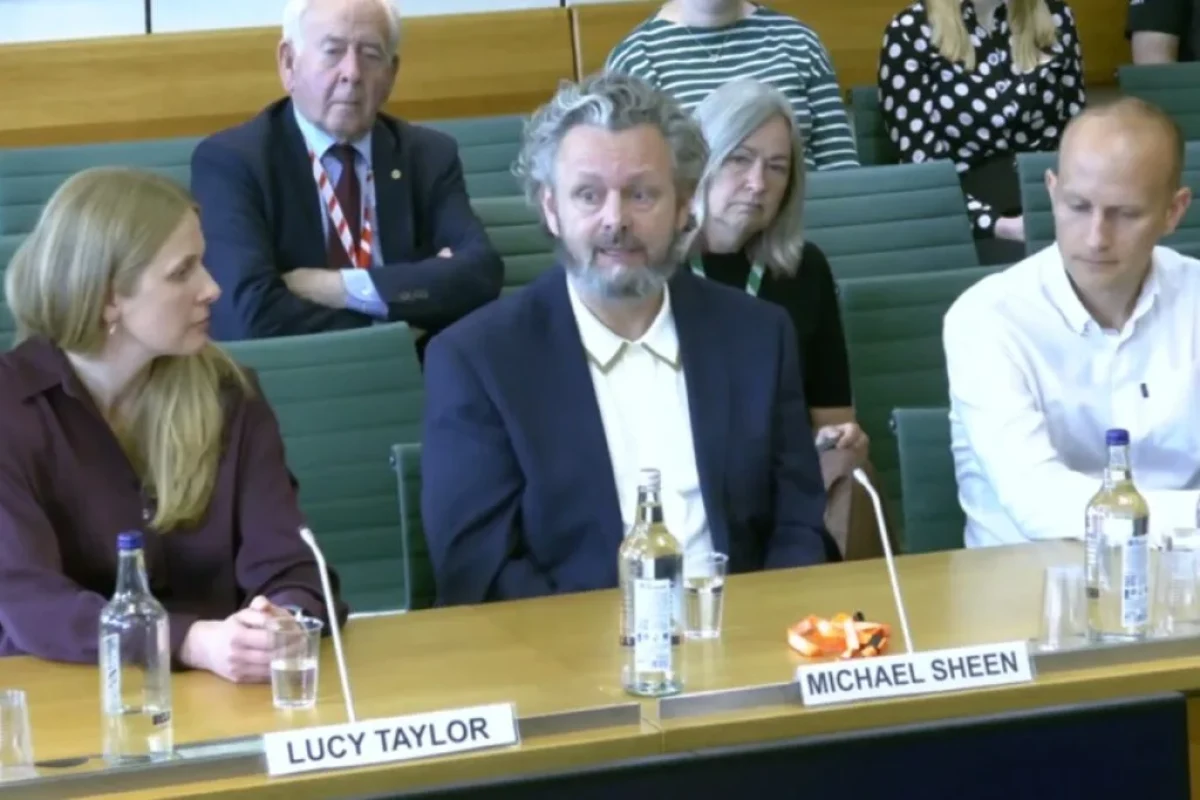
The momentum for action has grown following the broadcast of the BBC’s Buried documentary, which featured Traitors star Michael Sheen alongside a team of investigators. The programme revisited decades of research by Douglas Gowan into toxic waste dumped in quarries, brickworks, and agricultural land.
While the documentary focused heavily on chemical manufacturer Monsanto, which operated bases in Newport and Ruabon, many other industrial giants are believed to have contributed to the contamination. The investigation highlighted the widespread nature of the issue across various industrial sectors.
These sites contain what are known as ‘forever chemicals’, including polychlorinated biphenyls, which accumulate in the human body over time. These substances can cause cancer and remain harmful for decades after they were originally deposited in the ground.
Such hazardous materials have been found around specific sites including the Llwyneinion Acid Tar Lagoon, Cefn Mawr, and Ruabon. The latter location was home to Monsanto’s manufacturing plant, making it a focal point for environmental health concerns.
Research by Friends of the Earth estimates that there could be more than 45,000 toxic waste dumps across Wales. A significant number of these sites remain undocumented, which has intensified calls for a comprehensive public inquiry to map the extent of the contamination.
Mr Gruffydd acknowledged the issues raised by the Buried documentary but stated that regulations governing waste movement are now “substantially stronger” than those in place historically. He declined to support an immediate inquiry but did not rule out the possibility of one in the future.
Cllr Pritchard expressed strong support for a full investigation, stating: “I’m in the group supporting a public inquiry.” I think you should have a public inquiry, I really do. He emphasised the urgency of addressing the environmental and health risks posed by these sites.
He further remarked: “It isn’t just the contamination, it’s what’s within the contamination.” These chemicals kill you. The council leader argued that the focus must be on public safety rather than financial considerations.
“It shouldn’t be about money.” It should be about doing what’s right for the regions where the contamination is,” Cllr Pritchard added. He urged the government to prioritise the well-being of communities living near these hazardous locations.
He continued: “I hope that common sense prevails and they do have a public inquiry, I think that will send the right message to these companies.” He noted that enforcing the polluter pays principle is difficult, citing challenges seen in affected communities in America.
“Let’s be frank, if you live near a toxic waste site, you want to know what’s in there,” he said. Cllr Pritchard believed that Michael Sheen had “really opened up this Pandora’s box” and that the issue could no longer be ignored.
A Welsh Government spokesperson responded to the calls for an inquiry by stating: “We know residents are concerned about contamination, and we take those concerns seriously.” The spokesperson confirmed that a Wales-wide strategy is being developed to restore former industrial land and protect communities from potential risks.
The spokesperson added: “Identifying and regulating contaminated land is a matter for local authorities and we have issued guidance on how they are to carry out their duties under the Environmental Protection Act 1990.” This clarification outlines the current legal framework for managing contaminated sites.

Eli Nathan
Eli Nathan covers Wales news, politics, community stories, and sports for The National Wales (thenational.wales).
Follow real-time news and explainers on X at @elinathan1122. Reports are verified from official public announcements, emergency authorities, the Met Office, NHS Wales, and established news outlets across Wales.
Corrections and tips: if you spot an error in one of our reports, or have a story you think we should cover, contact the desk at [email protected] or via the contact page.