
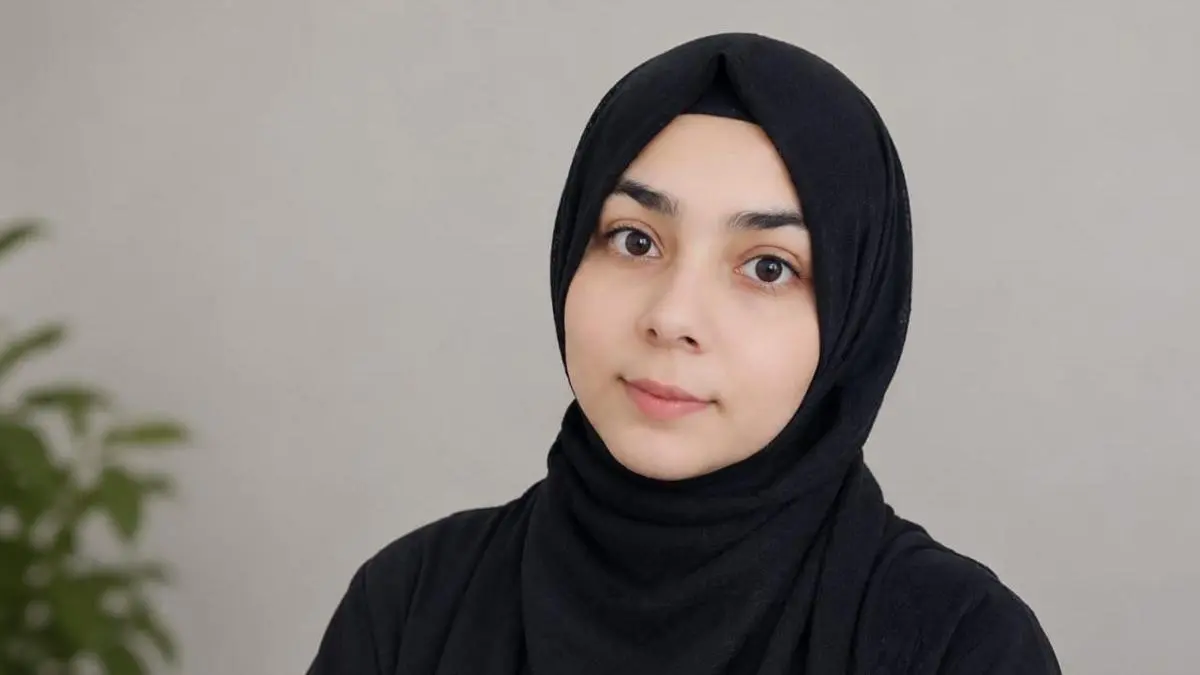
Afghan women holding UK university offers are left “heartbroken” after the Home Office implemented an emergency visa brake on study permits. Shahira Sadat, a software engineer in Kabul, spent three years navigating Taliban restrictions to secure places at Sussex, Bradford, and Northeastern University London. Her hopes for a Chevening Scholarship interview were dashed when she was informed she would no longer be considered due to her nationality.
“I was so happy. I can’t describe it because I allowed myself to dream about studying in the UK,” Sadat recalls of receiving the initial interview invitation. The sudden rejection email stated she was excluded from study opportunities because she was from Afghanistan.
“It was really heartbreaking. I lost all my motivation. I cried for hours and hours,” she says, her eyes welling up with tears.
The UK government announced the “emergency visa brake” in March, pausing study visas for applicants from Cameroon, Myanmar, Sudan, and Afghanistan. Skilled work visas for Afghans were also suspended in response to widespread visa abuse and a sharp rise in asylum claims. Home Secretary Shabana Mahmood stated she was “taking the unprecedented decision to refuse visas for those nationals seeking to exploit our generosity.
In the western city of Herat, Alia, whose name has been changed, received a similar rejection that left her feeling trapped. Her offers for a digital media masters in the UK were withdrawn, compounding the severe restrictions placed on women by the Taliban’s supreme leader. “Everything is banned just because I am an Afghan woman,” she says, her voice cracking with emotion.
Alia had to attend a secret school to prepare for an English language test, in defiance of Taliban rules. The institute was discovered and shut down, forcing her to continue with an online teacher from Canada. Most authorised test centres refused to admit female students, fearing they would fall foul of the regime’s strict regulations.
Throughout their preparations, both Sadat and Alia faced frequent power cuts and internet outages. They also feared a repeat of the nationwide internet shutdown imposed by the Taliban in September 2025. Many students find it difficult to physically apply for visas, often requiring travel to neighbouring countries that are tightening entry rules for Afghan nationals.
“I want to say to the UK government: don’t treat us like our government,” Alia says. “They have deprived us of education, so the global community should have more focus on us. The Home Office responded by pointing to the reopening of the UK Resettlement Scheme for refugees, including Afghan women and girls.
The department also announced the introduction of “named sponsorship and refugee study routes,” aiming to provide a safe pathway for refugees to rebuild their lives. However, the Home Office did not answer specific questions about whether these routes would be open to women not classified as refugees, such as Sadat and Alia.
Data from the Higher Education Statistics Agency shows that fewer than 400 of the more than 680,000 international students in the UK in 2024-25 were from Afghanistan. The Home Office later shared data indicating that asylum claims from Afghans linked to study visa routes had outstripped the number of visas issued in the three years prior to the brake.
From January to September 2025, 360 study visas were issued while 470 asylum claims were made, including by students who had arrived earlier. In 2024, 550 asylum claims were made, compared to 470 fresh study visas issued. These figures highlight the complex dynamics between visa issuance and subsequent asylum applications.
Zainab Rezaie, an Afghan student who moved to Birmingham in 2024, later applied for asylum while pursuing a PhD in education at the University of Exeter. She described feeling “very anxious” about what would happen after graduation, fearing she would have to return to Taliban-run Afghanistan. “The biggest contrast is that I’m not in prison in my room,” Rezaie says.
Rezaie explains that she applied for asylum to “give myself some opportunity to think,” citing the freedom to move around, exercise, and buy things in Western society. In Afghanistan, she notes, “every move women make has to be strategised” due to the oppressive environment. The visa brake has created uncertainty for many students who had overcome significant obstacles to reach this stage.
Despite the government’s efforts to provide alternative routes, the immediate impact on those with existing offers remains severe. The lack of clarity regarding eligibility for non-refugee students has left many in a state of limbo.
Sadat and Alia represent just two of the many individuals affected by this policy shift. Their stories highlight the human cost of administrative decisions made in response to visa abuse concerns. The tension between security measures and humanitarian obligations continues to play out in the lives of these women.
The Home Office’s decision has drawn criticism from those who argue it punishes individuals for the actions of others. Meanwhile, the Taliban’s restrictions on women’s education and work continue to limit opportunities within Afghanistan. The global community’s response to this crisis remains a subject of ongoing debate and scrutiny.
As the academic year progresses, the fate of these students hangs in the balance. The UK government’s commitment to providing safe pathways for refugees is tested against the reality of visa suspensions. The outcome for Sadat, Alia, and others like them will depend on future policy developments and individual circumstances.
The data provided by the Home Office offers a glimpse into the scale of the issue, with asylum claims significantly outnumbering visa issuances in recent years. This trend has likely contributed to the decision to implement the emergency brake. The long-term implications for UK-Afghan educational ties remain uncertain.
For now, the focus remains on the immediate impact on those who had secured places at UK universities. The emotional toll of losing these opportunities is profound, as evidenced by the personal accounts shared by Sadat and Alia. Their experiences serve as a stark reminder of the barriers faced by Afghan women in their pursuit of education.
The situation also highlights the complexities of international migration policy and the challenges of balancing security concerns with humanitarian values. As the UK navigates these issues, the voices of those directly affected will likely play a crucial role in shaping future decisions. The story of Afghan women seeking education in the UK is far from over.
In the meantime, the Home Office continues to monitor the situation and adjust its policies as needed. The introduction of new sponsorship and study routes aims to address some of the concerns raised by students and advocates. However, the immediate uncertainty faced by those with existing offers remains a pressing issue.
The case of Shahira Sadat and Alia serves as a poignant example of the broader challenges faced by Afghan women in the current political climate. Their determination to pursue education despite significant obstacles is a testament to their resilience. The outcome of their applications will be closely watched by those advocating for greater access to education for Afghan women.
As the UK government works to refine its visa policies, the human impact of these decisions cannot be ignored.







Reader Discussion & Comments (0)
Join the conversation. All comments are moderated in accordance with our editorial standards.