
Aldi to open 40 new UK stores in 2027 as part of £900m expansion
The German discount chain currently operates 1,095 supermarkets in the UK and is targeting a network of 1,500 stores, a milestone that senior real‑estate director Jonathan Neale says…
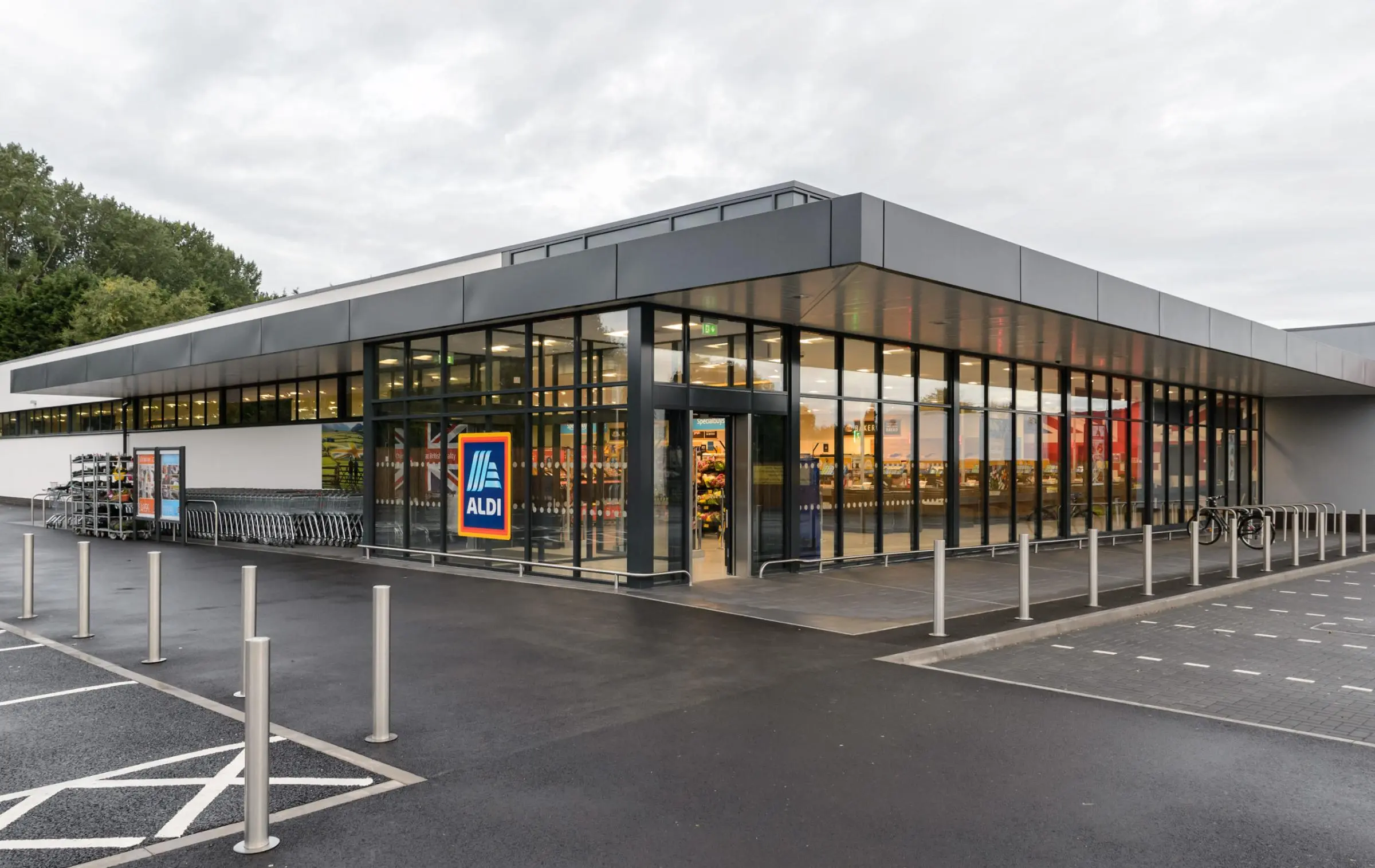
Aldi has confirmed that ten new stores will open in 2027, part of a £900 million investment programme that will see a total of 40 fresh locations across the United Kingdom by the end of next year.
The German discount chain currently operates 1,095 supermarkets in the UK and is targeting a network of 1,500 stores, a milestone that senior real‑estate director Jonathan Neale says underpins the retailer’s long‑term ambition.
“We’re continuing to invest significantly across the UK as we progress towards our long‑term ambition of 1,500 Aldi stores,” Neale told the company’s press office.
He added that the ten sites confirmed for 2027 are “part of our £900 million investment programme for 2027 and will help us bring Aldi’s award‑winning quality and unbeatable value to even more communities.”
“We’re excited to take the next step in our expansion plans and look forward to welcoming customers through the doors of these new stores in the years ahead,” Neale continued.
The announced locations span England, Wales and Scotland, though the exact towns have not been disclosed pending planning approvals.
In addition to the 2027 roll‑out, Aldi expects to open another 27 stores before the close of 2026, accelerating a growth trajectory that has seen the chain add more than 200 outlets in the past three years.
Industry analysts note that the expansion follows a period of strong sales performance, with Aldi repeatedly topping price‑value surveys and gaining market share from traditional rivals.
Retail experts say the chain’s focus on lean store formats and a limited‑range model has allowed it to negotiate favourable terms with landlords, keeping capital outlay relatively low.
The £900 million spend is earmarked not only for new builds but also for refurbishments of existing sites, modernising refrigeration, and upgrading digital ordering infrastructure.
Local authorities in the regions slated for new stores have welcomed the development, citing the prospect of thousands of jobs and a boost to the supply chain.
Employment figures released by Aldi indicate that each new supermarket typically creates between 30 and 40 permanent positions, alongside a further wave of temporary roles during construction.
Suppliers stand to benefit from increased shelf space, as the retailer’s growing footprint translates into higher volumes of British‑sourced produce, dairy and meat.
Trade bodies have highlighted that Aldi’s commitment to domestic sourcing aligns with wider government objectives to strengthen the UK food manufacturing sector.
Planning departments across the country have already received applications for the new sites, with several councils fast‑tracking approvals to meet the retailer’s timetable.
Construction firms involved in the builds report that the projects are proceeding on schedule, despite lingering material shortages in other sectors.
Environmental groups have raised questions about the carbon impact of new supermarkets, prompting Aldi to pledge that all new stores will meet its 2025 sustainability standards, including energy‑efficient lighting and waste‑reduction measures.
The chain’s expansion comes as the UK grocery market remains highly competitive, with rivals also pursuing aggressive store‑opening programmes to capture post‑pandemic demand.
Nevertheless, Aldi’s emphasis on low prices and a streamlined product range continues to resonate with cost‑conscious shoppers, a factor that underpins its aggressive growth plan.
Consumers in the confirmed locations can expect the typical Aldi layout – a compact floor plan, self‑service checkout and a focus on private‑label brands – once the stores open in 2027.
Industry watchers will monitor the rollout closely, as the chain’s ability to meet its 1,500‑store target will shape the competitive dynamics of the UK grocery sector for years to come.