
Hay-on-Wye ranks among world’s most beautiful towns
The ranking, compiled from a global survey of over a hundred towns, puts Italy’s Alberobello at the top, followed by Turkey’s Göreme, England’s Rye and France’s Colmar.
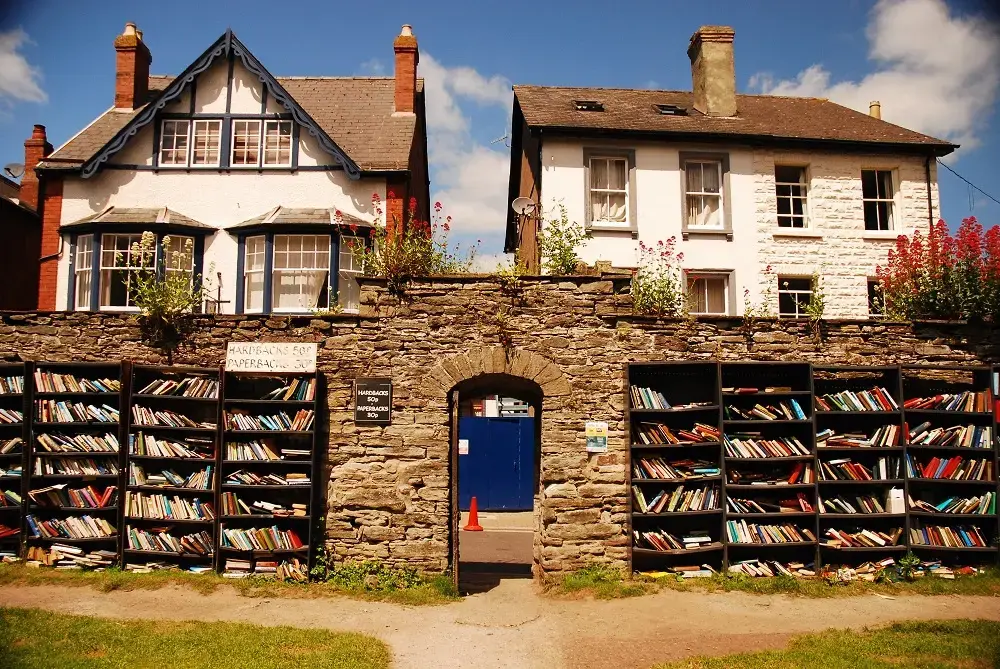
Hay-on-Wye in Powys has been placed 48th in Love Exploring’s list of the world’s most beautiful small towns, overtaking previous Welsh winner Tenby.
The ranking, compiled from a global survey of over a hundred towns, puts Italy’s Alberobello at the top, followed by Turkey’s Göreme, England’s Rye and France’s Colmar.
Love Exploring’s team praised Hay-on-Wye as “the home of the Hay Festival, which usually runs in late May and early June, … famous for its vast array of bookshops, making it a must‑visit for bibliophiles.”
They added that the “charming town, which straddles the border between England and Wales, also has a number of intriguing antique shops and a Thursday morning market where you’ll find a tempting selection of edible goodies as well as artisan crafts.”
The only other Welsh location to make the top‑100 is Tenby, which secured position 65, noted for its pastel‑coloured Victorian houses and four sandy beaches.
Hay-on-Wye’s population stood at 1,675 at the 2021 census, but the town swells to around 10,000 visitors during the annual Hay Festival.
The literary festival, now in its fifth decade, attracts authors, speakers and readers from across the globe each year in late May and early June.
In early June the town also hosts the “How the Light Gets In” festival, a four‑day programme of music, debate, comedy, cabaret and film.
Founded by bookseller Richard Booth in 1962, the town earned the nickname “the Town of Books” after he opened a series of second‑hand bookshops and declared himself “King of Hay”.
Booth’s vision transformed a sleepy market town into the world’s first official Book Town, a status still celebrated despite a recent decline in the number of specialist bookshops.
Today Hay-on-Wye hosts roughly two dozen bookshops, many of which now combine books with antiques, crafts and vintage items.
The town’s riverside setting on the River Wye provides a scenic backdrop for its weekly Thursday market, where locals sell produce, baked goods and handmade wares.
Hay’s appeal extends beyond literature; the surrounding Black Mountains and the Wye Valley offer dramatic scenery that draws artists, hikers and photographers.
A recent Which? survey identified Hay as a hotspot for “creative types”, citing the dramatic landscape and vibrant cultural calendar.
Hay-on-Wye is twinned with Redu in Belgium and with Timbuktu in Mali, reflecting its international literary connections.
Local businesses report a surge in visitor numbers each summer, with the town’s cafés, pubs and farm shops benefiting from the influx of tourists.
Despite its modest size, Hay-on-Wye has repeatedly featured in rankings of the best places to live in Wales and as a top UK Christmas destination.
The Love Exploring list, which ranks towns based on visual attractiveness and cultural vibrancy, highlights Hay’s blend of historic charm and contemporary creativity.
Community leaders say the recognition will boost tourism and reinforce the town’s reputation as a cultural hub in the heart of Wales.
Hay-on-Wye’s inclusion in the global top‑100 underscores the lasting impact of its book‑centric heritage and its ability to attract visitors seeking both literary and natural beauty.