
Plaid MP pushes EU membership into Burnham’s EU summit talks
Lake raised the issue during a Commons statement in which Burnham announced the postponed summit, delayed after Sir Keir Starmer’s resignation.
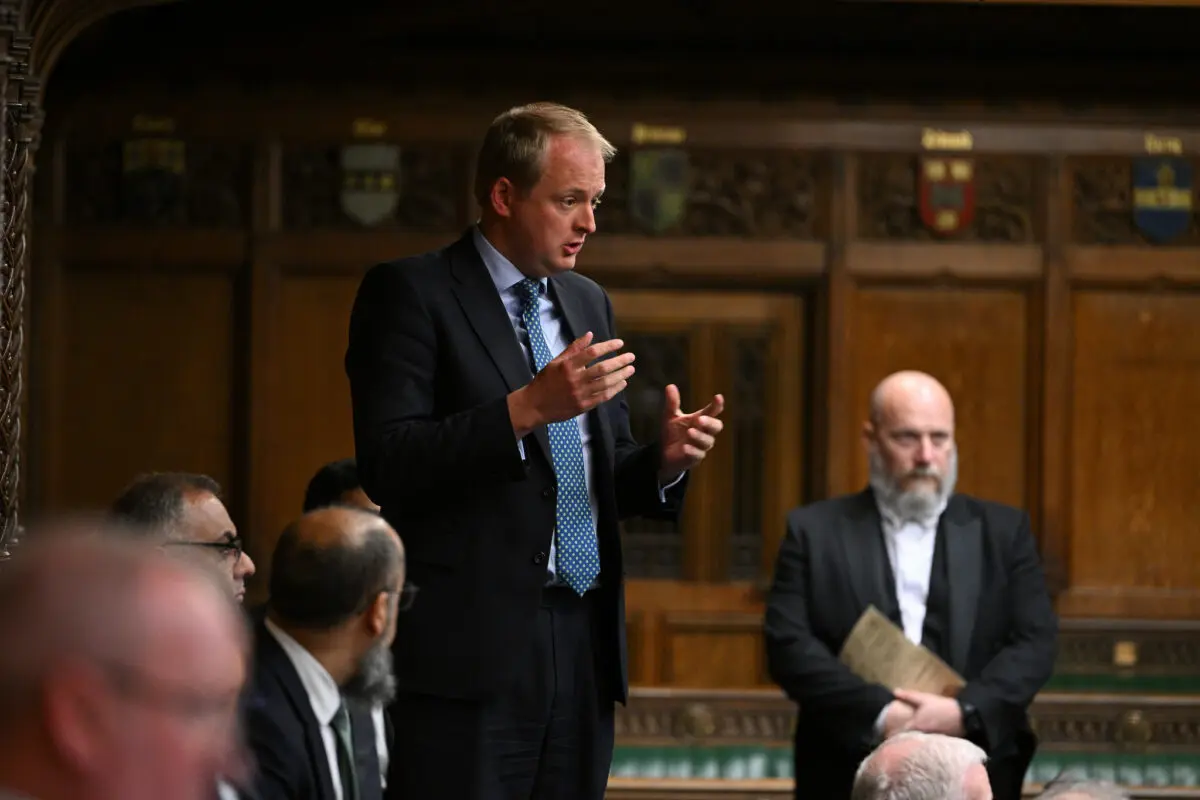
Plaid Cymru MP Ben Lake has pressed Prime Minister Andy Burnham to keep full EU membership on the agenda for the UK‑EU summit scheduled for 20 November in Brussels.
Lake raised the issue during a Commons statement in which Burnham announced the postponed summit, delayed after Sir Keir Starmer’s resignation.
“I commend the Prime Minister for his statement and specifically for his acknowledgment of the significant harm that Brexit has wrought on our communities,” Lake told MPs, adding that a serious discussion should include the customs union, single market and “possibly the European Union”.
Burnham replied that a decade‑long debate was needed to clarify Britain’s direction, saying: “It is right that we have a discussion in the House about where we want to go and where we want to take this country in the next decade.” Let us be clearer about our direction in the next decade than we were in the last.”
He went on to stress his willingness to face uncomfortable questions: “I am not going to turn away from questions just because they might be awkward or difficult.” That is what has got us into this position.
We have turned away from things that we should have dealt with. I am not going to do that.”
Lake’s intervention follows a call from Plaid Cymru’s Westminster leader, Liz Saville Roberts, at the party’s conference on 3 October, urging the UK to rejoin the bloc.
“So, we mustn’t whisper in euphemisms.” While others edge cautiously towards conclusions we already understand, we in Plaid Cymru are not afraid to be bold.
For our economy, for jobs, for opportunities, we must rejoin the European Union,” she said.
Plaid Cymru cited a Wales‑specific YouGov poll indicating that 61 % of respondents believe Britain was wrong to leave the EU and 65 % view Brexit as more of a failure than a success, suggesting a majority support re‑entry.
The upcoming summit will focus on food and drink trade, youth mobility and emissions trading, with Burnham estimating that the deals could add more than £10 billion a year to the UK economy by 2040.
He also warned that proposed “Made in Europe” trade rules could marginalise British manufacturers, pledging to raise concerns on behalf of domestic businesses.
Immigration and security featured in Burnham’s remarks, as he argued that “if we are serious about promoting growth, controlling immigration, upholding our values and security, it is a conversation we must have”.
He added that the British public would be “the boss” at every stage of the negotiations, underscoring a commitment to democratic oversight.
Conservative leader Kemi Badenoch criticised Burnham’s approach, accusing him of “unpicking” the Brexit deal and weakening the UK’s negotiating position by revealing objectives in advance.
“He is not going to get a better deal,” she told the Commons. “The EU are tough negotiators, and it’s not just that the EU are tough negotiators, he has already revealed his entire negotiating hand.”
Mark Mansfield, Plaid Cymru’s Westminster spokesperson, reiterated the party’s stance, urging the government to keep full EU membership on the table as the summit approaches.
The debate over whether to pursue deeper integration, or a full return to the EU, is set to dominate parliamentary discussions in the weeks leading up to the Brussels talks.
With public sentiment in Wales leaning towards re‑joining, the pressure on Burnham to address the customs union, single market and possible EU membership is likely to intensify.
Stakeholders from agriculture, manufacturing and the service sector will be watching closely, as the outcomes could reshape trade, regulatory alignment and migration policy for years to come.