Monmouthshire launches Welsh language strategy consultation
Monmouthshire County Council invites residents to shape its 2027‑2032 Welsh Language Strategy in a two‑month public consultation.
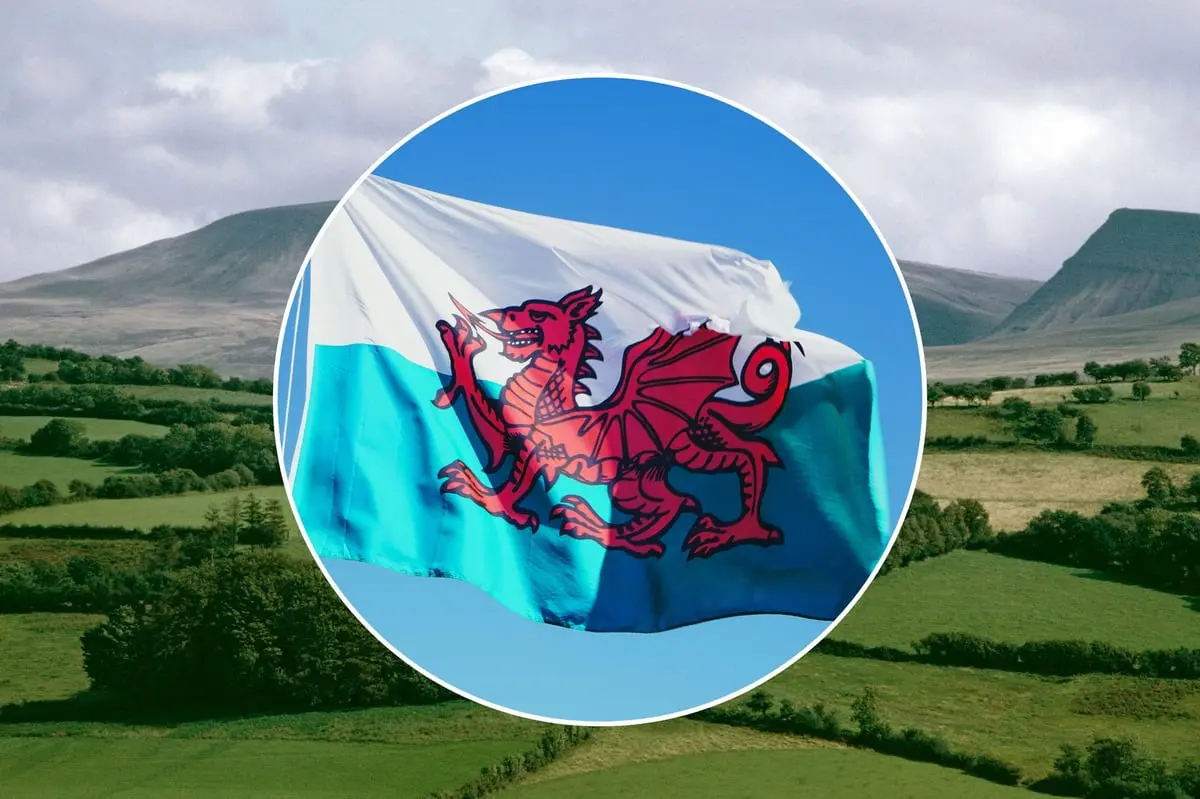
Monmouthshire County Council has opened a public consultation on its draft Welsh Language Strategy for 2027‑2032, inviting residents of all ages to share their views.
The “Let’s Talk Welsh” consultation runs from Monday 5 October until Monday 30 November, giving the community a two‑month window to comment on how bilingual services should be delivered across the county.
Both a full version of the draft strategy and a concise summary are available online, allowing participants to choose the level of detail that suits them.
Paper copies of the survey can be collected at community hubs in Abergavenny, Caldicot, Chepstow, Gilwern, Magor, Monmouth and Usk, ensuring that those without internet access can also take part.
The draft strategy outlines the council’s plans to work with Welsh speakers, learners and local communities over the next five years, covering areas such as education, public services and cultural promotion.
Cllr Angela Sandles, the council’s Cabinet Member for Equalities and Engagement, stressed the importance of widespread participation.
“We want to hear from as many people as possible.” Whether Welsh is part of your daily life, you’re learning the language, or you simply have views on how the council provides bilingual services, your feedback is important.
Feedback submitted during the consultation will be collated and used to refine the final Welsh Language Strategy before it is presented for adoption by the council.
Local schools, cultural groups and businesses have been encouraged to promote the consultation among their members, with the council noting that a broad range of perspectives will help create a more inclusive language policy.
Residents can submit their responses via the dedicated website, which hosts the draft documents, a summary of key proposals and a simple online questionnaire.
The council has highlighted several priority areas in the draft, including the expansion of Welsh‑medium education, the provision of bilingual information in public offices and the support of community‑led Welsh language projects.
It also proposes a review of signage and digital communications to ensure Welsh is given equal prominence alongside English in council‑run facilities.
Community organisations such as the Monmouthshire Welsh Language Society have welcomed the opportunity for public input, urging speakers and learners alike to take part.
“The success of any language plan rests on the voices of those who live it every day,” said a spokesperson for the society, adding that the consultation period offers a realistic chance for meaningful engagement.
While the council has not set a minimum number of responses required, officials have indicated that a high level of participation will strengthen the legitimacy of the final strategy.
In addition to the online platform, the council will hold a series of drop‑in sessions at the community hubs, where staff will be on hand to answer questions and assist with completing the survey.
These sessions are scheduled for mid‑October and early November, providing further opportunities for face‑to‑face interaction.
Monmouthshire’s bilingual ambitions form part of a wider national effort to promote the Welsh language, aligning with targets set by the Welsh Government for increased usage and visibility.
By inviting residents to shape the policy, the council aims to ensure that its approach reflects the lived experience of Welsh speakers and learners throughout the county.
All interested parties are urged to review the draft documents and submit their comments before the 30 November deadline.