
Wales heritage sector drives £738m economy, supports 18,000 jobs
The independent study, commissioned by Cadw and carried out by consultancy AMION, examined castles, museums, parks, landscapes and heritage organisations across the country.
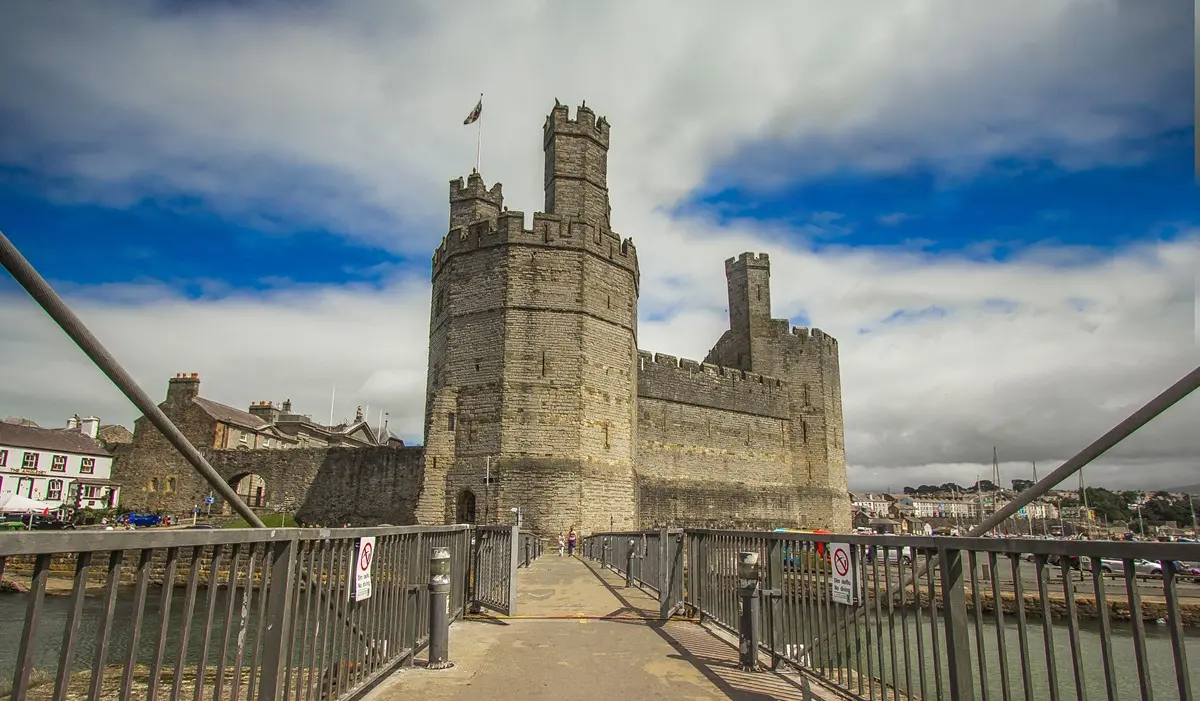
New research shows Wales’ historic environment generates £738 million of economic activity each year and underpins almost 18,000 jobs, cementing heritage as a cornerstone of the national economy.
The independent study, commissioned by Cadw and carried out by consultancy AMION, examined castles, museums, parks, landscapes and heritage organisations across the country.
It found more than 13 million visits to heritage sites and accredited museums annually, highlighting the sector’s vital role in Wales’ visitor economy.
Beyond tourism, the analysis revealed a wider network of employment, with the heritage sector directly supporting 17,900 positions in areas ranging from conservation to hospitality.
Social value was estimated at £107 million a year, reflecting benefits from volunteering, education programmes and community engagement linked to historic places.
Volunteers contributed 902,000 hours of work across Wales, a contribution valued at £9.8 million in wellbeing terms.
People surveyed also reported a sense of pride and connection to their communities through the preservation of local historic sites.
She added that heritage should be treated as part of Wales’ national infrastructure alongside transport, health and education networks.
The report also highlighted Cadw’s £1 admission scheme for people receiving Universal Credit, a measure that has encouraged first‑time visitors to explore historic attractions.
Sector leaders, however, warn that rising maintenance costs, climate‑related pressures and a shortage of skilled craftsmen threaten the long‑term sustainability of these assets.
Experts argue that without targeted investment, the economic and social returns demonstrated by the study could erode, especially in rural communities where heritage sites are key tourism drivers.
The findings arrive as the Welsh Government launches a ten‑year Culture and Sport Strategy, inviting public comment on priorities for heritage, the arts, creative industries, sport and physical activity.
Stakeholders are urged to submit views through the consultation, which will shape policy and funding decisions for the next decade.
Business groups and community organisations see the data as a compelling case for aligning heritage investment with broader economic development plans, particularly in areas where historic attractions bolster local identity and employment.
As the consultation period progresses, policymakers will weigh the £738 million economic contribution against the sector’s pressing needs for upkeep, climate resilience and workforce development.
The research provides a clear benchmark for measuring future progress, offering a quantitative foundation for decisions that could safeguard Wales’ historic environment for generations to come.