
Aberystwyth mathematicians drive Ukraine geothermal plant
Aberystwyth University leads a UK‑Ukraine‑Poland consortium to fast‑track a pilot geothermal plant in Solotvyno, cutting exploration time by two years.
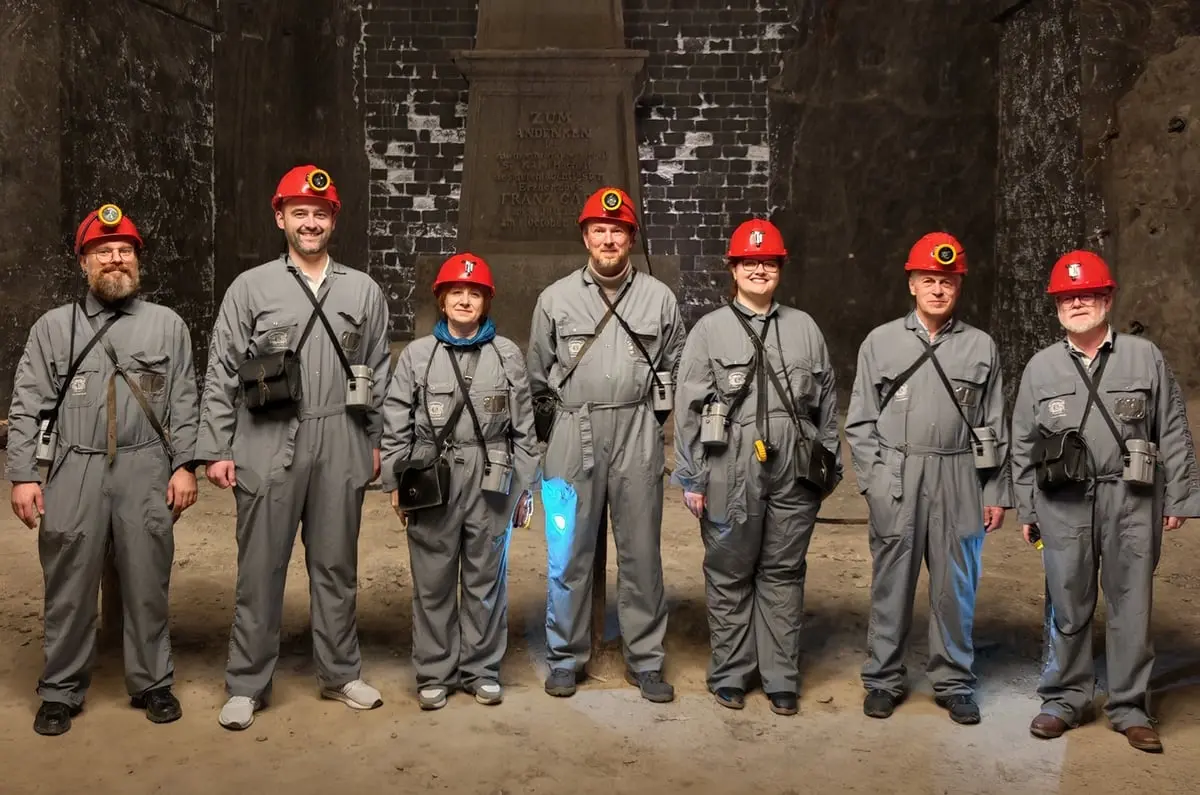
Aberystwyth University mathematicians are spearheading a cross‑border consortium to fast‑track a pilot geothermal power plant in Solotvyno, Ukraine, cutting the usual exploration timeline by at least two years.
The project arrives as Russia’s systematic destruction of Ukraine’s energy infrastructure has left the nation scrambling to rebuild a resilient, low‑carbon grid.
Led by a team of applied mathematicians, the initiative follows the “Rebuild Ukraine Back Better” principle, aiming to replace damaged centralised stations with a network of small‑to‑medium generating units that are harder to disrupt.
Geothermal energy, long touted for its low emissions, is now being positioned as a cornerstone of Ukraine’s green transition and energy security.
Researchers plan to construct a state‑of‑the‑art geothermal plant near the Ukrainian‑Romanian border, in the town of Solotvyno, where deep‑lying heat reservoirs have been identified.
Typical geothermal projects require a seven‑ to eight‑year exploration phase, a timeline that the consortium hopes to compress through advanced mathematical modelling of rock properties at a microscopic level.
“Our aim is to revolutionise how geothermal energy is explored and deployed, specifically focusing on the rapid recovery and modernisation of Ukraine’s energy infrastructure with enhanced geothermal systems,” said Professor Gennady Mishuris of Aberystwyth University.
He added that the effort combines world‑class modelling with cutting‑edge geomechanics and industrial expertise to build a decentralised, resilient, carbon‑neutral future for a nation in need.
The partnership brings together UK, Ukrainian and Polish expertise, including South Wales‑based Rockfield Software Ltd, Ukrainian gas producer JSC Ukrgasvydobuvannya, Taras Shevchenko National University of Kyiv and Poland’s Oil and Gas Institute.
Local authorities in Solotvyno have also signed on, providing the necessary municipal support for the pilot scheme.
The consortium’s technical approach hinges on developing high‑resolution models that predict how rock formations will behave under the intense pressures of geothermal extraction.
By simulating these conditions before drilling, the team expects to reduce the risk of costly setbacks that often plague geothermal projects.
Accelerating the exploration phase could see the first generating capacity online well before the typical eight‑year horizon.
Such a timeline would not only restore power to communities still reeling from blackouts but also demonstrate a replicable model for other war‑affected regions.
Aberystwyth’s involvement stems from a long‑standing research programme in applied mathematics and energy systems, which recently included a field visit to a salt mine to test geological modelling techniques.
That visit helped refine the consortium’s understanding of subsurface conditions, informing the design of the Solotvyno pilot plant.
Project leaders stress that the rapid‑deployment model could be adapted for use across Ukraine, creating a mosaic of geothermal sites that collectively bolster national supply.
In addition to energy benefits, the initiative promises local economic uplift through job creation in drilling, construction and plant operation.
Training programmes are being drafted to equip Ukrainian engineers with the specialised skills required for geothermal development.
The consortium also hopes the venture will serve as a knowledge‑exchange platform, offering British researchers insights into operating geothermal systems under challenging geopolitical conditions.
Such lessons could feed back into the UK’s own renewable ambitions, particularly in regions where geothermal potential remains under‑explored.
Funding for the project is being sourced from a blend of university research grants, European collaboration funds and private sector investment.
Stakeholders emphasise that the venture remains strictly scientific, with no commercial exploitation of the site beyond power generation.
As the pilot plant moves from design to ground‑breaking, the team will monitor progress against its two‑year acceleration target, reporting findings to both Ukrainian authorities and the wider geothermal community.
Success could mark a turning point in Ukraine’s post‑war reconstruction, showcasing how advanced mathematics can translate into tangible, climate‑friendly infrastructure.
For Aberystwyth University, the project underscores the global relevance of its research, positioning the Welsh institution at the forefront of renewable energy innovation.