
Nationally important finds to be unveiled in Cwm Gwaun
Archaeologists will reveal previously unknown artefacts from north Pembrokeshire at a public talk, highlighting the valley’s untapped historic layers.
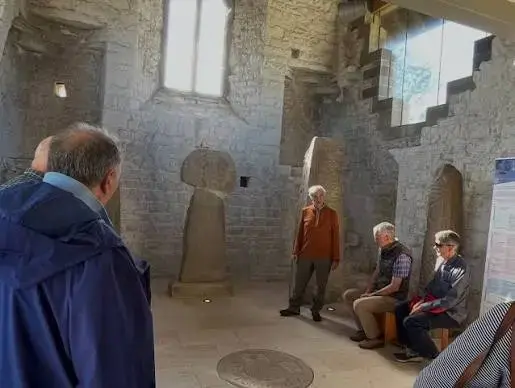
Archaeologists working in north Pembrokeshire say a series of previously unrecognised discoveries in the Gwaun Valley and the surrounding Fishguard‑Goodwick area will be unveiled at Theatr Gwaun on Wednesday, 14 October.
Researcher Paul Cheetham, who has spent the past year collaborating with local landowners and farmers, will present the findings in a public talk titled “Discoveries in Cwm Gwaun” as part of the theatre’s Ein Hanes programme.
The investigations, carried out across fields and historic sites, have reportedly uncovered material that organisers describe as being of national importance, although the precise nature and dating of the artefacts have not yet been disclosed.
Cheetham’s work builds on a long tradition of archaeological activity in the region, which already boasts a rich tapestry of sites ranging from prehistoric settlements to medieval structures.
One of the most prominent landmarks in the valley is the Iron Age fort at Tregynon, whose earthworks overlook the landscape and date back roughly 2,500 years, offering a tangible reminder of early community life.
The new research, however, suggests that many layers of the valley’s past remain hidden beneath working farmland, prompting a renewed focus on the role of farmers in safeguarding heritage.
Local landowners have been encouraged to report any unusual finds, a practice that has helped to fill gaps in the historical record and to protect artefacts before they are inadvertently damaged.
“The collaboration with those who tend the land has been essential,” Cheetham said in a statement released by the organisers, highlighting the partnership that has driven the recent discoveries.
While the specific items uncovered have not been published ahead of the event, organisers stress that the evidence points to a complex sequence of occupation and activity that could reshape understanding of the valley’s development.
Archaeologists involved in the project have noted that the findings may span several periods, potentially linking the Iron Age fort’s community with later medieval and post‑medieval occupation.
The presentation will begin at 6 pm on Wednesday, 14 October, and is open to the public, offering an opportunity for residents and visitors to engage directly with the latest research.
Attendance is expected to be strong, reflecting growing interest in the preservation of Wales’s archaeological heritage and the desire to learn more about the stories embedded in the landscape.
Theatr Gwaun, a community venue in Fishguard, has hosted a range of cultural events and now adds this scholarly talk to its calendar, underscoring the venue’s commitment to local history.
Experts say that the dissemination of such findings through public talks is vital for fostering a sense of shared ownership of heritage and for encouraging further community‑led investigations.
Should the discoveries prove as significant as organisers suggest, they could prompt additional research funding and potentially lead to new protective measures for the sites involved.
For now, the anticipation builds as the valley’s hidden past prepares to be brought to light, offering a fresh perspective on a landscape already celebrated for its historic depth.