
Pembrokeshire poultry keepers warned to boost biosecurity before winter
Welsh Government urges backyard and commercial bird owners in Pembrokeshire to tighten hygiene now as winter avian flu risk rises.
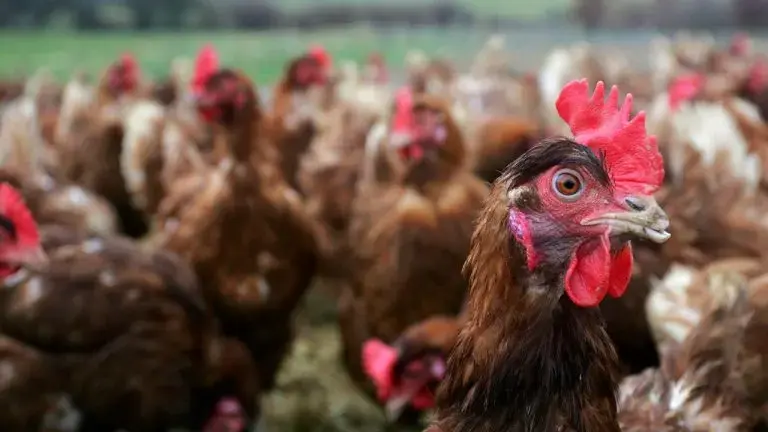
Pembrokeshire poultry keepers have been urged to tighten biosecurity now, ahead of the winter months when avian influenza risk traditionally climbs.
The Welsh Government’s Chief Veterinary Officer, Dr Richard Irvine, issued the warning on Friday, 9 October, calling on anyone who keeps birds – from backyard hobbyists to commercial farms – to act without delay.
“Don’t wait until the risk increases – the time to act is now,” Dr Irvine said, stressing that preventive steps are far more effective than reactive measures.
He added that simple, consistent hygiene and biosecurity practices remained the most effective protection against introducing the virus into kept flocks.
The advice targets both small‑scale keepers with a handful of hens and larger operations managing commercial poultry or game birds.
Key recommendations include preventing contact between domestic birds and wild species, keeping feeding and watering stations clean, and limiting unnecessary visitors to enclosures.
Keepers are also asked to regularly disinfect footwear, equipment and any tools that move between flocks.
The Welsh Government has published self‑assessment checklists tailored for small flocks, commercial poultry and game birds, urging owners to review and address any weaknesses.
Potential signs of avian influenza listed in the guidance are a swollen head, difficulty breathing, reduced appetite, diarrhoea, a drop in egg production and unexpected deaths.
Anyone who observes these symptoms is instructed to report immediately to the Animal and Plant Health Agency on 0300 303 8268.
Reports of dead wild birds, which can also signal the presence of the virus, should be made to Defra on 03459 33 55 77.
The warning is preventative and does not indicate a confirmed outbreak in Pembrokeshire, but it reflects the heightened vigilance expected across Wales during the colder season.
Veterinary officers have noted that past winter periods have seen spikes in bird flu cases, prompting earlier and more rigorous preparation.
Local authorities in Pembrokeshire have pledged to support keepers by providing information sessions and distributing disinfectant supplies where needed.
Farmers’ unions have welcomed the guidance, noting that early action can safeguard both animal welfare and the economic stability of the poultry sector.
Backyard keepers are reminded that even a small number of birds can act as a conduit for disease spread if biosecurity lapses occur.
The Welsh Government’s website offers downloadable checklists, instructional videos and a step‑by‑step guide on strengthening enclosure security.
Experts stress that routine cleaning of water troughs and feed bins, combined with secure housing that deters wild birds, can dramatically lower infection risk.
Footwear and clothing used in bird‑holding areas should be stored separately from household items to avoid cross‑contamination.
Dr Irvine warned that complacency during the milder months often leads to a surge in cases once temperatures drop and wild birds congregate.
He urged keepers to treat the current period as the optimal window for implementing lasting hygiene practices.
In addition to physical measures, the guidance recommends keeping detailed records of flock health, movements and any visitor logs.
Such documentation can prove vital for tracing potential sources should an outbreak be suspected.
The Animal and Plant Health Agency stands ready to investigate any reported incidents and will coordinate with local veterinary services.
Owners are also encouraged to stay informed through regular updates posted on GOV.WALES, where the latest recommendations will be posted.
By acting now, Pembrokeshire’s poultry community aims to minimise the impact of a disease that has previously caused significant losses across the UK.
Authorities stress that vigilance, combined with practical biosecurity steps, remains the most reliable defence against winter bird flu.