
Cardiff University research cuts threaten Russell Group status
Staff warn that halving research time could reduce Cardiff’s standing as a Russell Group university, sparking unrest among academics.
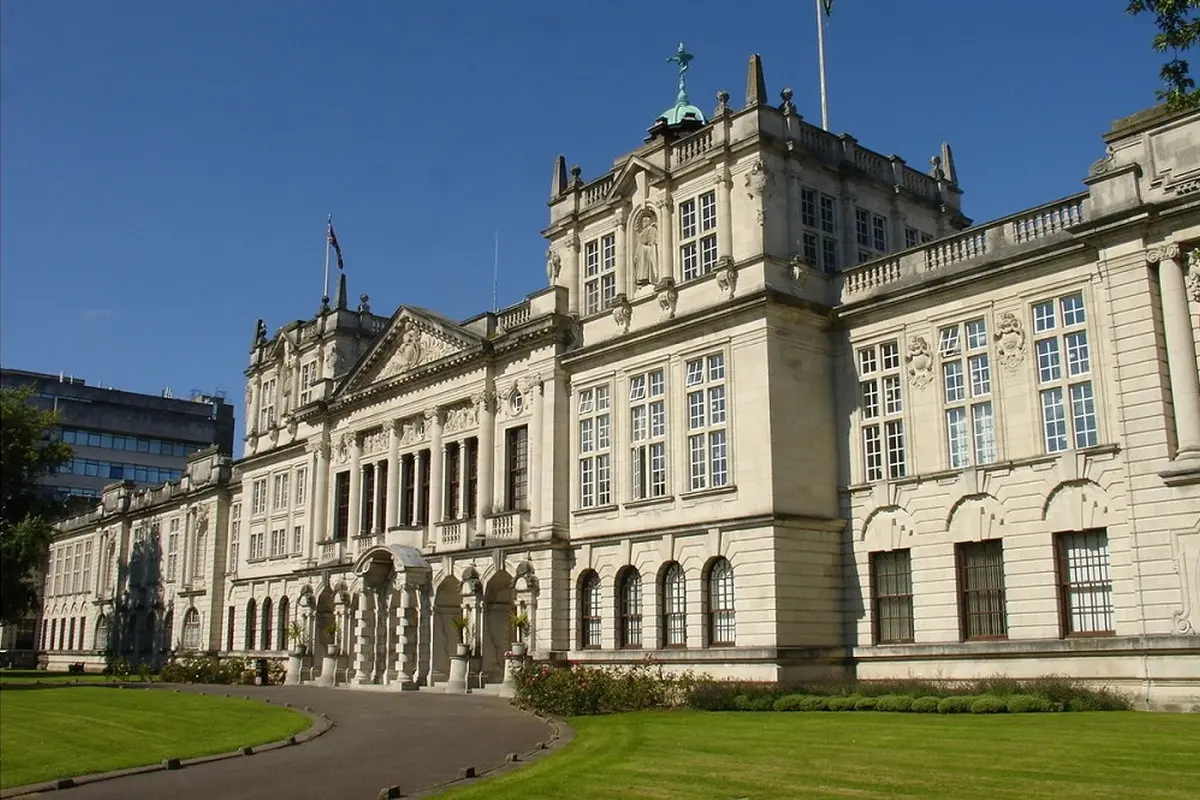
Cardiff University has slashed the baseline of university‑funded research time for academics from 600 hours to 315 hours a year, prompting staff to warn that the institution’s Russell Group standing could become “a name only”.
The change, part of a wider business‑model overhaul, reduces the traditional split of 40 % research, 40 % teaching and 20 % administration that has underpinned the university’s research output for decades.
Cardiff joined the Russell Group in 1998 and has long relied on a strong research portfolio to justify its place among the UK’s 24 elite institutions.
Under the new model, each academic now has a minimum of 315 university‑funded research hours within a total workload of 1 500 hours, with any additional research time expected to come from external grants.
University officials stress that externally funded research is “added on top of the 315 hours” and that the baseline “recognises the importance of research within academic roles”.
A spokesperson added that the university “has also maintained the same substantive policy on international travel since 2024, supporting our staff to undertake international activity within a framework that seeks to ensure fair and proportionate access to University resources”.
Staff members, however, say the cuts threaten the very fabric of the university’s research culture.
Academics fear that the reduced research allocation will force them to take on heavier teaching loads, leaving less time for the investigations that sustain the university’s reputation.
Redundancies and retirements have already thinned the senior academic ranks, and remaining lecturers are expected to shoulder additional teaching duties.
At a leadership meeting on 21 September, deputy vice‑chancellor Damian Walford‑Davies reportedly told managers that the decisions were final and staff were expected to comply.
Many senior leaders, described as “rookies”, see the move as an attempt to impose a more authoritarian culture on a traditionally liberal academic environment.
“People are concerned, worried and dismayed by the reduction in research hours, and some are already leaving or making plans to move elsewhere.”
The sentiment reflects a broader unease about the university’s future research capacity and its ability to attract top‑tier talent.
Some academics have already begun exploring opportunities at other Russell Group institutions where research time remains protected.
There are also concerns about the impact on international collaboration, a cornerstone of Cardiff’s research strategy.
“People are also being told that if they have been used to attending international conferences in their field, they should no longer do so but perhaps go every other year instead.”
Critics argue that limiting conference attendance could isolate Cardiff researchers from global networks and diminish the university’s visibility on the world stage.
The University Executive Board has signed off the changes, and its members are collectively responsible, according to staff.
University representatives maintain that the new allocation “gives staff dedicated time to pursue their research and enables further flexibility where strategic needs and capacity allow”.
They also point out that the baseline of 315 hours is the “absolute minimum research hours” and that strategic priorities may unlock additional time.
Nevertheless, the stark reduction has ignited a debate about the balance between teaching demands and research excellence at a Russell Group university.
Stakeholders across Wales are watching closely, as the outcome could set a precedent for how other institutions manage research funding amid tightening budgets.
Cardiff University’s next steps will likely involve negotiations with staff unions and a review of the impact on research outputs, funding streams and the university’s international standing.