
Robert ap Gwilym Ddu: Farmer‑Poet’s Work Revived in New Edition
A fresh collection spotlights the 19th‑century Welsh poet whose englynau and hymns blend devotion, humour and rural life, reshaping his literary legacy.
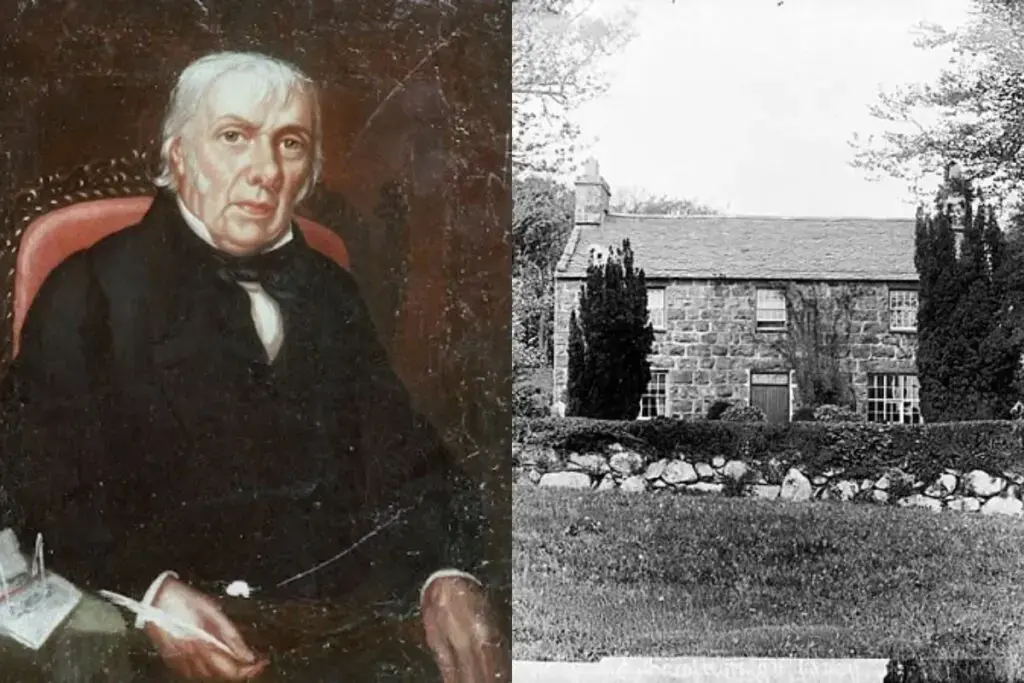
Robert ap Gwilym Ddu, the 19th‑century farmer‑poet of Betws Fawr, has been thrust back into the spotlight with the release of a new scholarly edition of his verse.
Born Robert Williams in 1766, he spent his whole life tending the farm he inherited in Llanystumdwy, a modest but prosperous holding that still works the land today.
Unlike many of his contemporaries who chased fame at the Eisteddfod, Ddu entered a competition only once and withdrew from the formal literary circuit, a choice that scholars now see as a deliberate act of independence.
His refusal to align with any single denomination did not stop him from co‑founding a Baptist chapel with fellow poet Dewi Wyn, a building still known locally as “Capel y Beirdd”.
Religion permeates his work; his best‑known hymn begins, “Mae’r gwaed a redodd ar y groes, O oes i oes i’w gofio; Rhy fyr yw tragwyddoldeb llawn I ddweud yn iawn amdano.”
After marrying Catherine, twenty years his junior, at the age of fifty, Ddu penned tender verses such as, “Pan fyddo’r anadl yn byrhau, A’r poenau mawrion yn trymhau, A’r enaid dros y genau mud…”.
The couple’s only daughter died in 1834 at seventeen, prompting Ddu to compose a mournful awdl that reads, “Angau arfog, miniog, mawr, Ar ei gadfarch ergydfawr, Wele yma carlamodd, A’i rym ar egni a r’odd;”.
His poetry often turns to the englyn, a strict four‑line cynghanedd form, exemplified by a piece on Christ and Pilate: “Dros fai, nas haeddai, mae’n syn – ei weled Yn nwylo Rhufeinddyn; A’i brofi gan wael bryfyn, A barnu Duw gerbron dyn.”
Another englyn questions faith itself: “Nid gwir grefydd sydd, ond sŵn – ym Mhrydain, Amrywiadau filiwn; Taeru cas, a natur cŵn, Pa wyneb heb opiniwn?”
Even the mundane found a place in his verse, with a ribald englyn describing a scuffle between two women: “Bu yno ’sgythru dannedd, A churo didrugaredd; Ac yn yr amser cyfyng hwn Daeth gofyn ar y gwinedd!”
W. J.
Gruffydd, a leading authority on Welsh verse, once declared Ddu “the greatest artist that had been seen in a century and a half of Welsh verse”.
Later, poet‑scholar Bobi Jones highlighted Ddu’s prominence in his anthology, noting that more of Ddu’s work appears there than from any other 19th‑century poet.
Although he never wrote the lengthy awdlau required for Eisteddfod prizes, his mastery of cynghanedd and his accessible, often humorous style have ensured his poems remain read and performed in chapels across Wales.
The new edition, compiled by Melin Bapur, brings together his religious hymns, love verses, memorial awdlau and the playful englynau that reveal a poet as comfortable with solemnity as with satire.
Academics say the collection offers fresh insight into the “Bardd Gwlad” tradition, where poetry served community rites of birth, marriage and death rather than personal ambition.
As interest in regional literary heritage grows, Ddu’s work is likely to feature more prominently in university curricula and public recitals, reaffirming his place among the great voices of Eifionydd.