
Reform party vows tariffs to force migrant returns
Reform UK plans visa freezes, tariffs and airline bans to pressure countries into accepting deported migrants, with a review of recent refugee grants.
Reform UK will unveil a package of punitive measures next week aimed at compelling overseas governments to accept the return of migrants it deems illegal.
Party political correspondent Helen Corbett said the proposals will see tariffs imposed on nations that refuse to take back deportees, adding that the approach will be backed by a suite of other sanctions.
Under the plan, the party intends to freeze all new visas for nationals of Pakistan, Afghanistan, Syria, Eritrea, Sudan and Somalia – countries that currently account for a significant share of UK visa issuances.
For states with closer trade links to Britain, Reform proposes a harsher regime that could include import tariffs, bans on foreign airlines using British airspace and restrictions on transit for their citizens.
Egypt has been cited as a possible target for such measures, although the party has not disclosed a definitive list.
In addition to economic pressure, Reform says it will seek agreements with third‑party states to receive “extreme cases” where no country is willing to accept returnees or where repatriation would be inappropriate.
The party also pledged a comprehensive review of every refugee status granted in the five years preceding a Reform administration, signalling a broader overhaul of the asylum system.
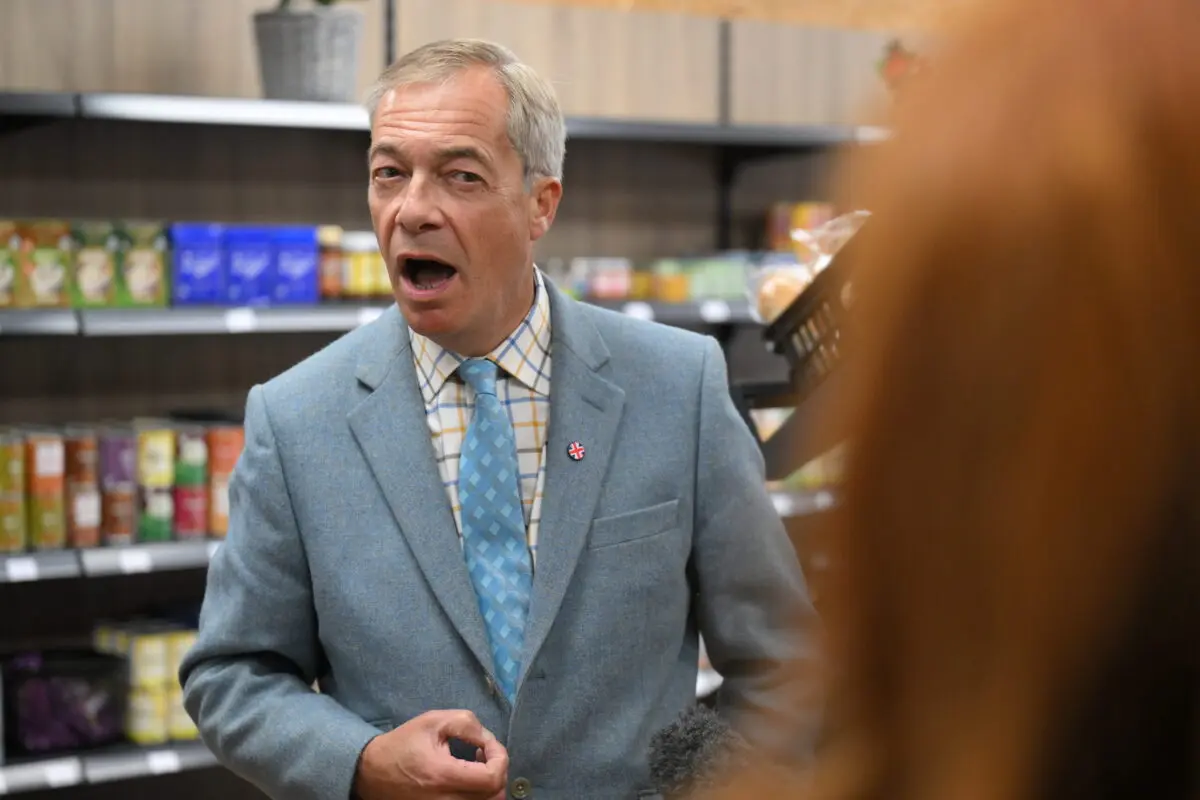
Speaking at a press briefing, Nigel Farage declared, “I will not tolerate countries who won’t take back illegal migrants.”
He added, “I’ll impose tariffs, airline bans and visa bans on any country that refuses.”
Concluding his remarks, Farage asserted, “Only Reform will end the invasion of our country forever.”
Reform’s strategy marks a shift from previous rhetoric centred on domestic enforcement to a more outward‑looking stance that seeks to leverage the United Kingdom’s trade and aviation clout.
Critics have warned that such unilateral sanctions could strain diplomatic relations and provoke retaliatory measures, potentially affecting sectors beyond immigration.
Government officials have not yet responded to the forthcoming proposals, and the party’s timetable for introducing the measures remains unclear.
Should the policies be adopted, they would represent a significant escalation in the UK’s immigration enforcement toolkit, intertwining border control with economic and transport levers.
The upcoming announcement is expected to spark debate across Westminster and within the wider public sphere as the country grapples with its migration challenges.