
Tories demand no new taxes in Healey’s first Budget
Conservatives set out five tests for Chancellor John Healey, urging a tax‑free Budget and higher defence spending as City groups warn of competitive risks.
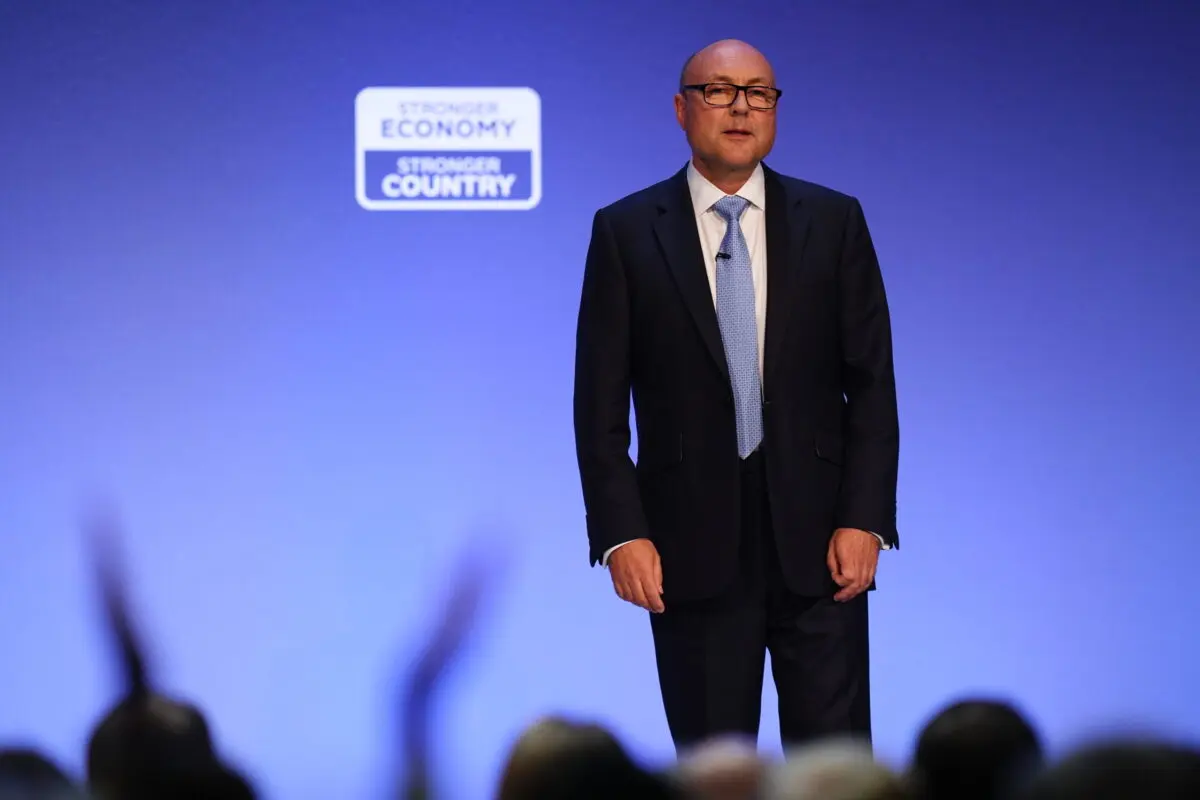
The Conservative Party has launched a five‑point challenge to Chancellor John Healey ahead of his first Budget, demanding that no new taxes be introduced on 28 October.
Shadow chancellor Andrew Griffith told Sky News the Treasury must “stop the tax ratchet”, warning that “Labour’s first two budgets put taxes on course for the highest level ever recorded, and families and businesses are continuing to pay the price”.
Griffith added that “John Healey must deliver a ‘get a grip’ Budget, instead of kicking the can down the road”.
His “tests” include cutting the budget deficit, slashing welfare spending, raising defence outlays to 3 % of GDP by 2030 and boosting youth employment.
“These tests are simple, and Labour have already set one themselves”, Griffith said, recalling Healey’s own words when he left the defence brief: “When he resigned as defence secretary, John Healey said that 3% of GDP on defence spending is ‘what Britain must set’”.
He warned that “One of the weaknesses in our armoury is the lack of funding for the Government’s own independent defence plan”.
Addressing the broader fiscal picture, Griffith argued the country faces “unprecedented threats on multiple fronts” and urged a focus on present choices, noting “I don’t have a time machine.” I can’t go back in the past”.
On youth unemployment, the shadow chancellor said the Conservatives have “announced plans to tackle the youth jobs emergency by making it easier for employers to hire them by reducing the national insurance cost of doing that and a lot of other reforms that will help people across the country”.
The Treasury’s response, delivered through a spokesman, reiterated that “The Chancellor has been clear that fiscal discipline underwrites every promise this Government makes, which is why he and the Prime Minister are in lockstep on meeting the fiscal rules”.
He added that “His focus is on backing British jobs, giving families and businesses breathing space and driving growth in every postcode, and he will set out decisions on October 28”.
Griffith’s demands arrive as senior figures from Britain’s biggest City groups have intensified pressure on the chancellor to spare banks from any tax rise.
In a letter to Healey, chief executives of UK Finance and the Confederation of British Industry warned that the financial services sector “already faces a higher tax burden than our key international competitors”.
The correspondence argued that higher levies could prompt banking firms to relocate offices to rival financial hubs, undermining the UK’s competitive edge.
While the Treasury maintains its commitment to fiscal rules, the opposition’s five‑test framework places the upcoming Budget under heightened scrutiny from both Westminster and the City.
Analysts note that any deviation from the “no‑new‑tax” pledge could reshape the political narrative ahead of the next general election, with voters in Wales and across the UK watching closely.
Healey is expected to outline his fiscal strategy later this month, balancing the government’s growth agenda against mounting pressure from opposition parties and industry leaders.